Workers in Norway Get Pay Raises. We Know What Employers Agreed To
Fellesforbundet (the Norwegian United Federation of Trade Unions) and Norsk Industri (the Federation of Norwegian Industries) have reached a wage agreement. The parties avoided a strike in the industry. Negotiations concluded after many hours of mediation.

Trade unions emphasized that employees should truly feel the pay raises and have more money left after covering daily expenses.
Fot. Pexels (zdjęcie poglądowe)
Talks had been ongoing since April 7 under the supervision of the national mediator. An agreement was reached on the morning of April 12, after 13 hours of overtime discussions. The wage increase framework was set at 4.4 percent. The agreement prevented a strike that could have affected more than 33,000 industrial workers.
Negotiation Results and Wage Increases
The parties agreed on a general supplement of NOK 6.50 per hour. This means a wage increase of over NOK 1,000 per month. The lowest earners will receive an additional NOK 4. This is the highest level of such a supplement in the history of these agreements. The established 4.4 percent framework is intended to ensure a real wage increase.
The assumed inflation rate is 3.2 percent. The real wage growth is estimated at about 1.16 percent. Industrial workers may gain an average of NOK 28,046 per year. The real increase amounts to about NOK 7,394. Data for other sectors are based on the same framework, although their negotiations are yet to begin.
The assumed inflation rate is 3.2 percent. The real wage growth is estimated at about 1.16 percent. Industrial workers may gain an average of NOK 28,046 per year. The real increase amounts to about NOK 7,394. Data for other sectors are based on the same framework, although their negotiations are yet to begin.
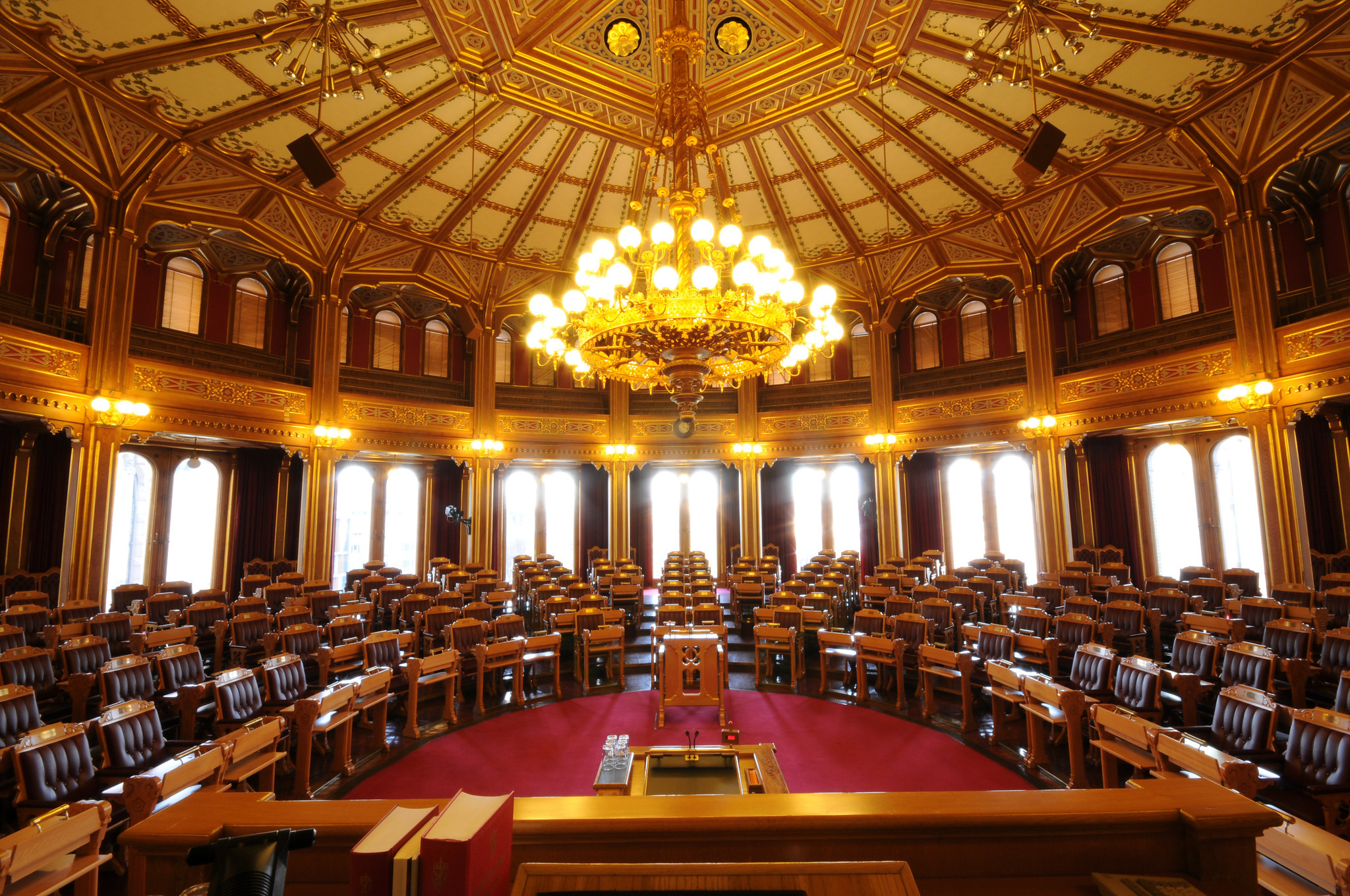
The government sent a letter to the mediator announcing faster reimbursements for companies from NAV, which helped break the deadlock in the negotiations.Photo: flickr.com/stortinget/CC BY-ND 2.0
Key Agreements and Disputed Issues
Negotiations were conducted with the participation of the national mediator. The parties indicate that a government letter dated April 12 was of key importance. The document concerned streamlining benefit reimbursements for employers. According to Norsk Industri (the Federation of Norwegian Industries), this support was crucial to reaching an agreement. The talks were described as difficult for both sides.
One of the main points of contention was the advance payment of sick leave benefits. It was agreed that employers will pay these benefits for four months. The funds will be reimbursed by NAV (the Norwegian Labour and Welfare Administration). Employers criticize this solution and point to risks for financial liquidity. They emphasize that responsibility for delays should rest with the state.
One of the main points of contention was the advance payment of sick leave benefits. It was agreed that employers will pay these benefits for four months. The funds will be reimbursed by NAV (the Norwegian Labour and Welfare Administration). Employers criticize this solution and point to risks for financial liquidity. They emphasize that responsibility for delays should rest with the state.
The agreement sets the direction for further negotiations in Norway. The frontfag model (where the industrial sector sets the framework for wage growth), based on internationally competitive sectors, remains the basis for determining wage increases. At the same time, rising inflation, currently at 3.6 percent, may affect the real value of the raises. If prices continue to rise, the increases may be less noticeable.
How do you rate this article?