The bill for the drivers’ relief is huge. Norway’s budget is losing billions of NOK
From April 1, Norway will introduce a reduction in fuel taxes. The decision was made by the Storting, and its implementation was announced by the Ministry of Finance.
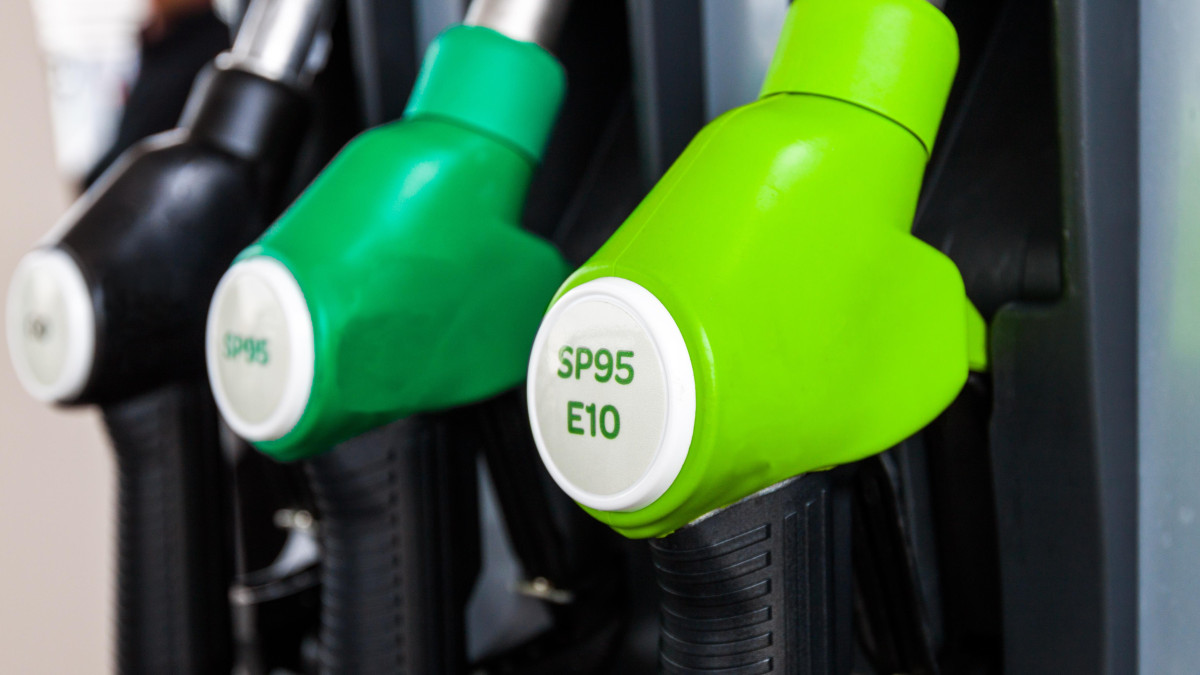
Possible regulatory adjustments after the period of changes.
Fot. Adobe Stock, licencja standardowa (zdjęcie poglądowe)
The changes cover both petrol and diesel. This is a response to rising fuel prices following oil hikes related to the war with Iran. The Ministry of Finance estimates a decrease in state revenue. The loss from the road tax alone is expected to amount to about NOK 3.3 billion. The total cost of reductions in road and CO2 taxes reaches approximately NOK 6.7 billion.
Tax rates and scope of changes
From April 1, the road tax on fuels will be reduced to zero. The tax on petrol will drop by NOK 4.41 per liter. For diesel, the reduction will be NOK 2.85 per liter. At the same time, the CO2 tax for fishing using mineral oil will be set to zero. The changes are temporary and will be in effect until September 1.
The Ministry points to the impact of fuel blends. For petrol with 15% bioethanol, the reduction in road tax will be NOK 3.53 per liter. If fully passed on to prices, this means a price drop of NOK 4.41 per liter including VAT. For diesel, the reduction in road tax will be NOK 2.28 per liter. This translates to a price drop of NOK 2.85 per liter including VAT.
The Ministry points to the impact of fuel blends. For petrol with 15% bioethanol, the reduction in road tax will be NOK 3.53 per liter. If fully passed on to prices, this means a price drop of NOK 4.41 per liter including VAT. For diesel, the reduction in road tax will be NOK 2.28 per liter. This translates to a price drop of NOK 2.85 per liter including VAT.

The government may face the need to seek new sources of revenue.Photo: stock.adobe.com/standardowa/irsak
Legal issues and impact on emissions
Some of the Storting’s decisions require further analysis. This concerns reductions in CO2 tax for road transport, construction machinery, fisheries, and shipping. The government points to possible legal limitations. These relate to state aid rules and compliance with the tax system. There is a risk that companies may have to return the support.
The Ministry assesses the impact of the changes on emissions as moderate in the short term. Higher fuel prices usually limit consumption and emissions. Lower taxes have the opposite effect. Both effects are expected to partially offset each other compared to forecasts for 2026. The final impact depends on station prices, the duration of the changes, and consumer response.
The Ministry assesses the impact of the changes on emissions as moderate in the short term. Higher fuel prices usually limit consumption and emissions. Lower taxes have the opposite effect. Both effects are expected to partially offset each other compared to forecasts for 2026. The final impact depends on station prices, the duration of the changes, and consumer response.
The government announces a return to the issue in the revised state budget. It is to show how to account for the loss of revenue in public finances. At the same time, work is underway to assess the feasibility of some of the parliament’s decisions. The scope of further tax changes after the transitional period and possible decisions for the following months will depend on the outcome.
How do you rate this article?