Shopping for Furniture by Bike, Beer by Car? Oslo Cuts Parking Spaces
Regulations regarding the number of parking spaces in Oslo have sparked a heated debate among politicians and business owners. According to an analysis by Oslo Handelsstands Forening, as much as 80 percent of parking spaces could disappear if all shops and institutions were built according to current rules. The changes, in effect since 2022, limit the number of car parking spaces in favor of cycling infrastructure.

The changes promote cycling infrastructure at the expense of car parking spaces.
Fot. Adobe Stock, licencja standardowa (zdjęcie poglądowe)
The parking standard in Oslo introduces strict restrictions on building car parking spaces for new developments. An example is the Meny Gressbanen store, which was built just before the regulations came into force.
The facility has 45 parking spaces, but under the current rules, it could only have 14–15. Representatives of Norgesgruppen admit that in such a case, the store would not have been built at all. Customers make large purchases and need convenient access to parking.
The facility has 45 parking spaces, but under the current rules, it could only have 14–15. Representatives of Norgesgruppen admit that in such a case, the store would not have been built at all. Customers make large purchases and need convenient access to parking.
Trade and Investment Under Pressure
Oslo Handelsstands Forening warns that restrictive regulations are blocking the development of local trade and the modernization of facilities. According to the organization, the city is missing out on new investments worth several billion NOK. Instead of new, modern buildings, "old and unattractive" structures remain in the urban space.
Director Daniel Torkildsen Lea emphasizes that the current regulations do not differentiate between the needs of small premises and large retail chains. He also points out that the restrictions make it difficult to build underground parking lots, which could improve the city's aesthetics and functionality.
Director Daniel Torkildsen Lea emphasizes that the current regulations do not differentiate between the needs of small premises and large retail chains. He also points out that the restrictions make it difficult to build underground parking lots, which could improve the city's aesthetics and functionality.
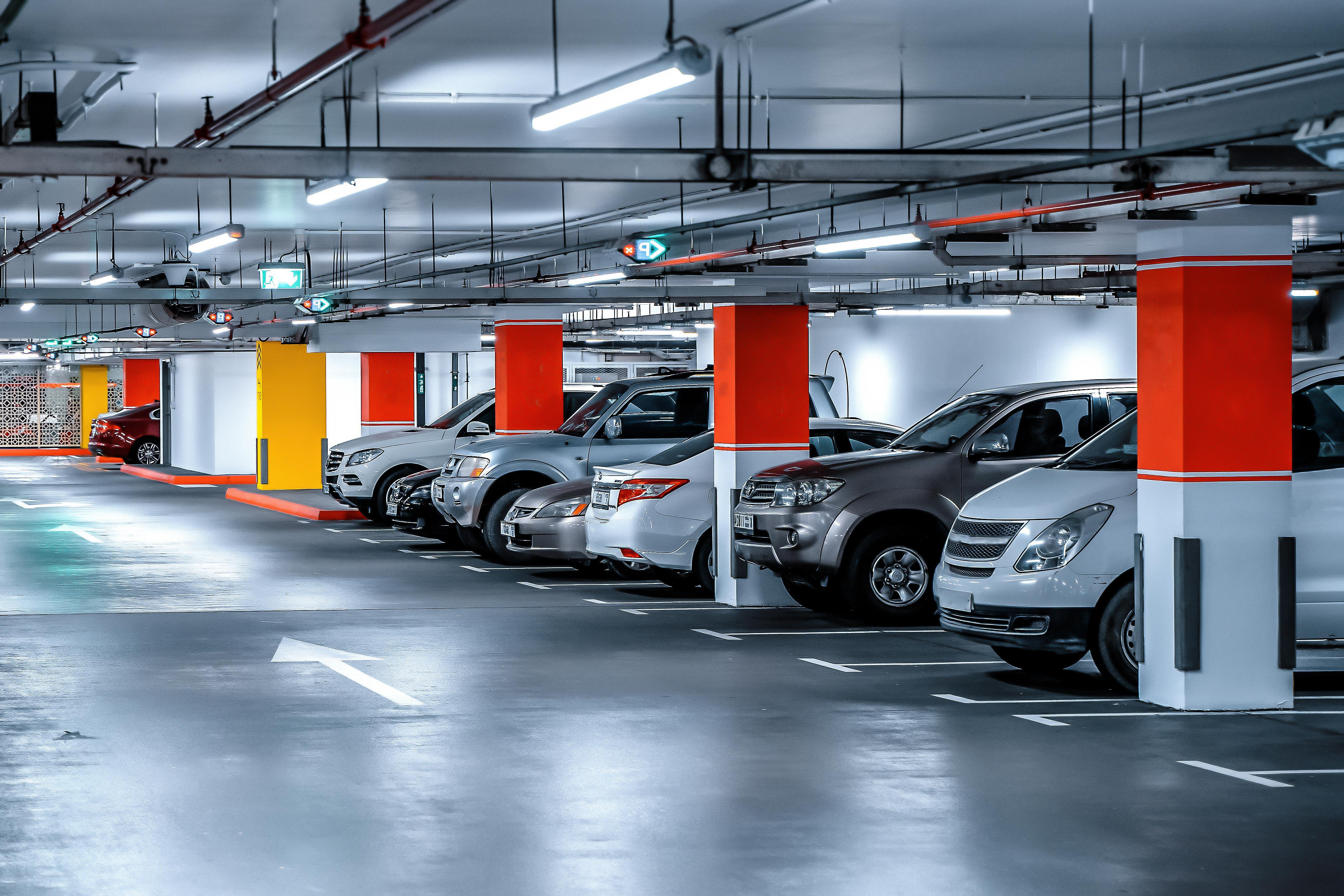
Oslo Handelsstands Forening warns of a blockade on the development of local trade.Photo: stock.adobe.com/standard license
Political Dispute Over the Future of Transport
James Stove Lorentzen from the Conservative Party announced that this year the city hall plans to present changes to the regulations and submit them for public consultation. In his view, the current rules hinder the operation of schools and care homes, where parking is essential for staff and visitors.
Meanwhile, the Greens and the Liberal Party defend the restrictive regulations, arguing that they are key to reducing car traffic and developing a greener city. Ingeborg Bjørnevik from the Progress Party warns, however, that the restrictive policy puts families with children and the elderly, who need a car on a daily basis, in a difficult position.
Meanwhile, the Greens and the Liberal Party defend the restrictive regulations, arguing that they are key to reducing car traffic and developing a greener city. Ingeborg Bjørnevik from the Progress Party warns, however, that the restrictive policy puts families with children and the elderly, who need a car on a daily basis, in a difficult position.
Should Oslo remain a driver-friendly city, or become a model of sustainable transport in Scandinavia? Later this year, the authorities are expected to present a new proposal for regulations that could determine the shape of the city's infrastructure for years to come.
How do you rate this article?