Petrol in Norway for 30 NOK? Fuel price shock returns
Sylvi Listhaug warns of a new rise in fuel prices in Norway. The leader of the Progress Party (Frp) claims that the climate policy of the Labour Party and the Conservative Party could lead to petrol and diesel prices well above 30 NOK per liter.
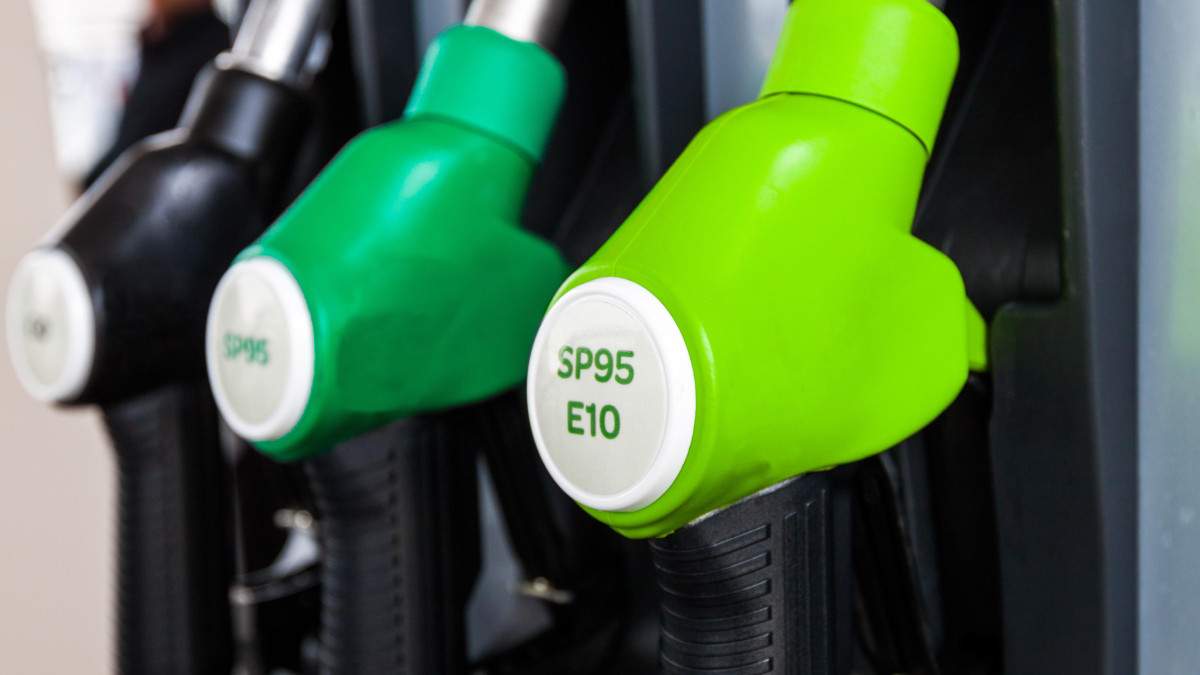
Drivers may pay more for every liter. Government calculations show fee increases until 2035.
Fot. stock.adobe.com/standardowa
The dispute concerns the planned increase in CO₂ emission fees. Frp MP Marius Arion Nilsen submitted a written question to Finance Minister Jens Stoltenberg, asking about the impact of the changes on petrol and diesel prices. Labour Party representatives respond that the opposition is unnecessarily scaring people.
Emission fee. Norway plans to increase the rate
According to Stoltenberg's response, the current fee for petrol is 3.8 NOK per liter. In 2030, it is expected to rise to 5.71 NOK. In 2035, it will reach 8.1 NOK. The data is given in price rates valid for 2025.
For diesel, the current fee is 4.42 NOK per liter. In 2030, it may increase to 6.66 NOK. In 2035, it is expected to reach 9.44 NOK. The increases are to be introduced linearly, i.e., gradually in subsequent budgets.
For diesel, the current fee is 4.42 NOK per liter. In 2030, it may increase to 6.66 NOK. In 2035, it is expected to reach 9.44 NOK. The increases are to be introduced linearly, i.e., gradually in subsequent budgets.
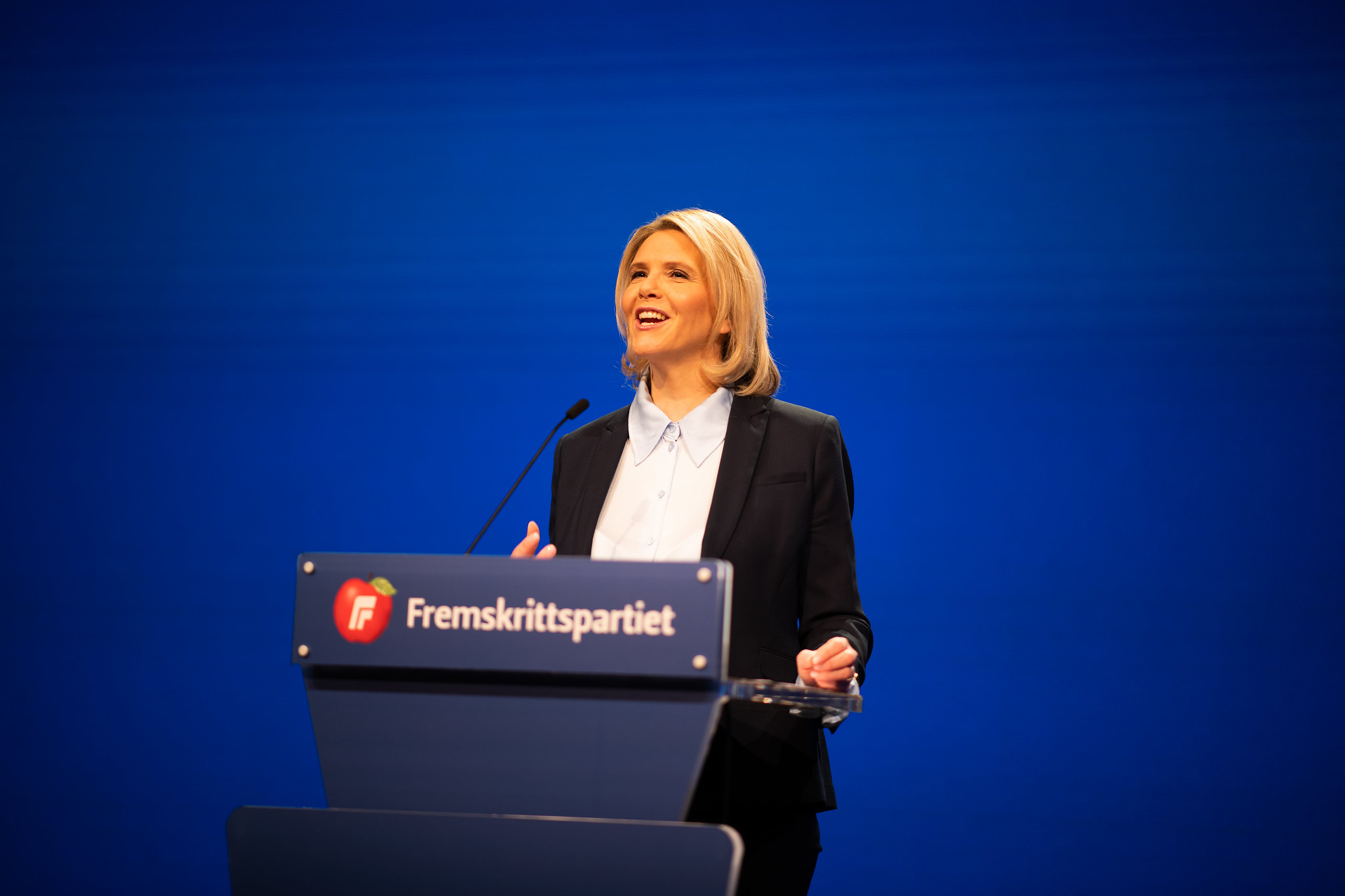
Frp itself previously participated in raising CO₂ fees, when the fee for a liter of road diesel rose from 0.62 NOK in the 2014 budget to 1.45 NOK in 2020.Photo: flickr.com/ Fremskrittpartiet/ https://creativecommons.org/licenses/by-nc-nd/2.0/
Fuel in Norway. The government focuses on electric vehicles and options
Stoltenberg emphasizes that CO₂ fees are one of the tools of climate policy. He also points to a plan to increase the share of biofuels. Currently, it is 20 percent. In 2030, it is to rise to 33 percent.
According to the minister, a higher share of biofuels will reduce the impact of fees on prices at the pump. Stoltenberg estimates that the price of diesel at the pump in 2035 will increase in real terms by about 3.4 NOK per liter. A diesel driver who drives 12,000 kilometers a year and uses 0.6 liters of fuel per 10 km currently has fuel costs of about 15,000 NOK per year. According to the government, in 2035 they will pay about 2,400 NOK more, which is about 200 NOK per month.
According to the minister, a higher share of biofuels will reduce the impact of fees on prices at the pump. Stoltenberg estimates that the price of diesel at the pump in 2035 will increase in real terms by about 3.4 NOK per liter. A diesel driver who drives 12,000 kilometers a year and uses 0.6 liters of fuel per 10 km currently has fuel costs of about 15,000 NOK per year. According to the government, in 2035 they will pay about 2,400 NOK more, which is about 200 NOK per month.
Listhaug claims that the government's calculations are based on average fuel consumption and do not show the situation of people and companies who drive more. In her opinion, higher fuel prices will increase transport costs and, subsequently, the prices of goods. Nilsen believes this will hit Norway's competitiveness on land and at sea.
How do you rate this article?