Not Tanks and Drones. Norway Knows How Russia Will Attack
Europe and Norway are rapidly increasing their defense spending. However, some experts point out that the main threat may be different from a classic war.
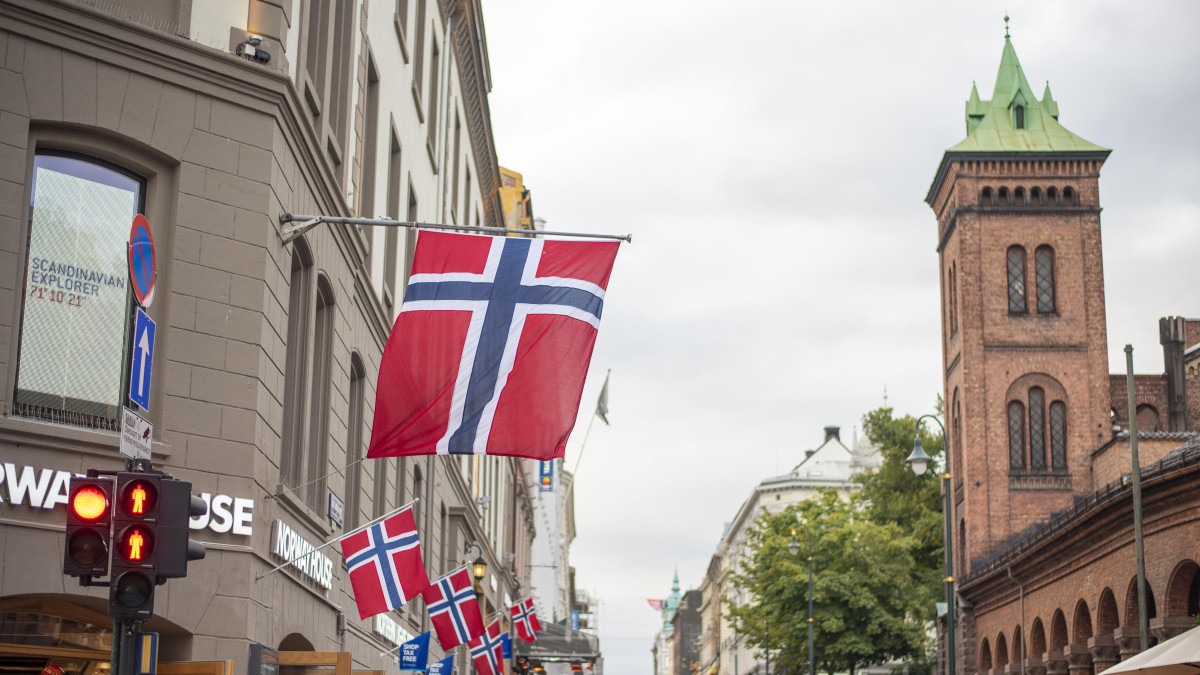
Some countries are not ready for rapid crisis response.
Fot. stock.adobe.com/ fot. tonefotografia/ tylko do użytku redakcyjnego
Professor Tormod Heier from the Norwegian Defence Academy believes that Russia will not opt for an open military conflict with Europe. According to Heier, Russia will use hybrid actions targeting the most vulnerable areas of states. These are now among the main challenges to security.
Militarization vs. Real Threats
Within a few years, Norway increased its defense spending from 2 to nearly 3.5 percent of GDP. In Europe, the target is 5 percent by 2035. Oslo has ordered, among other things, frigates for 136 billion NOK, Leopard tanks for 23 billion NOK, as well as submarines and missiles for 114 billion NOK. Heier points out that this is a reaction to the worst, but least likely, scenario. In his view, Europe is militarily stronger than Russia.
European countries have about 2 million soldiers compared to Russia's 1.1 million. They also have about 2,100 fighter jets, while Russia has about 1,200. European fleets are larger, and the number of submarines is comparable. However, Russia dominates in the number of missiles, including nuclear ones. It possesses about 6,000 nuclear warheads.
European countries have about 2 million soldiers compared to Russia's 1.1 million. They also have about 2,100 fighter jets, while Russia has about 1,200. European fleets are larger, and the number of submarines is comparable. However, Russia dominates in the number of missiles, including nuclear ones. It possesses about 6,000 nuclear warheads.
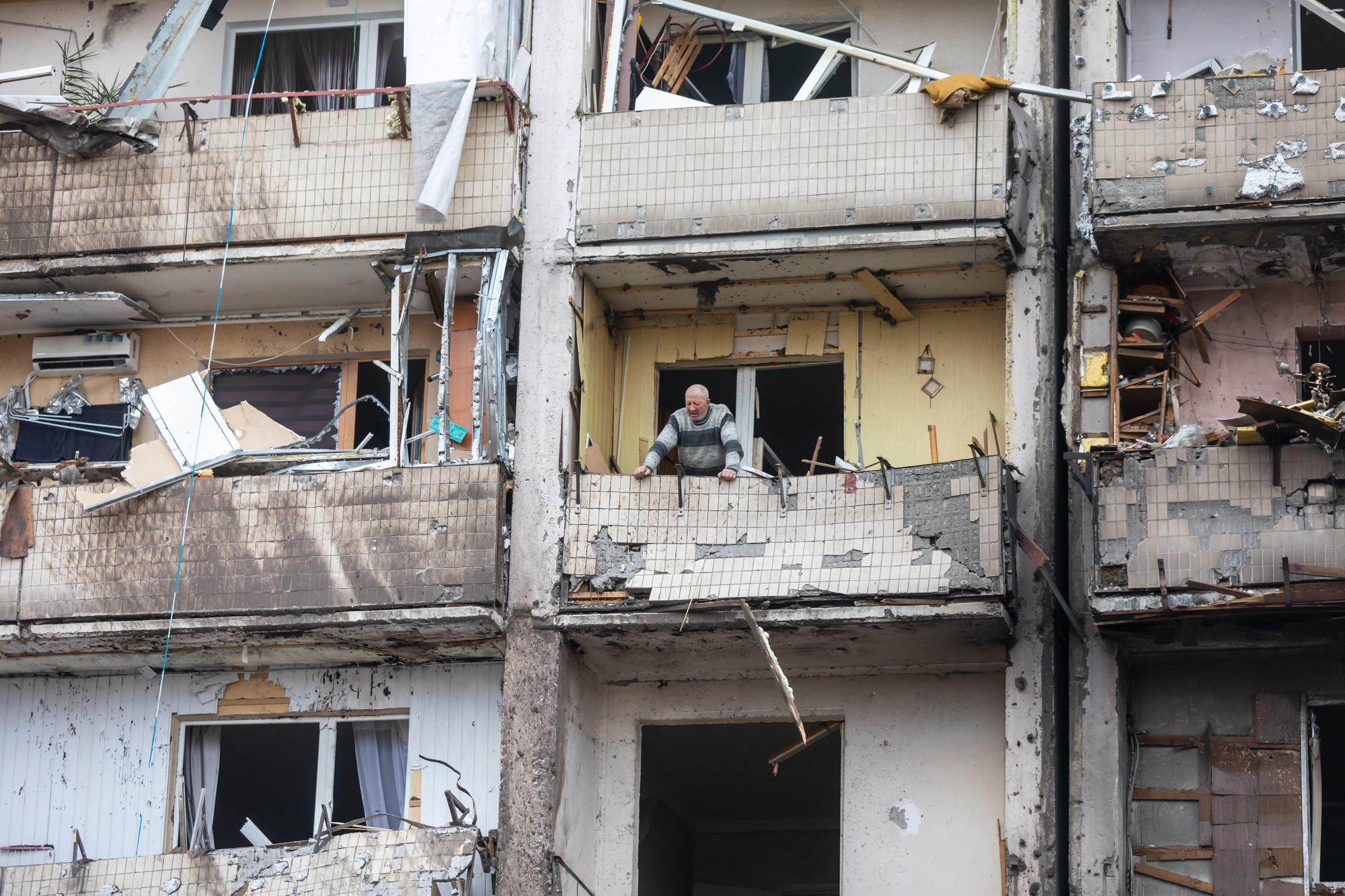
An open armed conflict is the least likely scenario.Photo: palinchak, standard license (depositphotos)
Hybrid Strikes and Weak Points
Heier believes that sabotage and influence operations are the most likely. He points to cable cutting, energy supply disruptions, cyberattacks, and disinformation campaigns. Such actions are cheap and hard to detect. Their aim is to create fear and undermine trust in state institutions.
The expert emphasizes that the main responsibility for responding to such threats lies with the police and civilian structures. In his opinion, they are not prepared for state-level operations. An example is the incident in December 2024 in the Baltic Sea, when power and communication cables were damaged. The case was investigated as a possible sabotage.
The expert emphasizes that the main responsibility for responding to such threats lies with the police and civilian structures. In his opinion, they are not prepared for state-level operations. An example is the incident in December 2024 in the Baltic Sea, when power and communication cables were damaged. The case was investigated as a possible sabotage.
Europe's Defense Amid Changing US Role
Former defense chief Sverre Diesen points out that European forces are dispersed and vary in their readiness. In his view, the increase in spending is mainly due to the reduction of the US presence in Europe.
Meanwhile, Norwegian defense chief Eirik Kristoffersen emphasizes that hybrid threats are a permanent feature of the security environment. He notes that strengthening total defense and societal resilience is crucial, and that these are primarily the responsibility of civilian institutions.
Meanwhile, Norwegian defense chief Eirik Kristoffersen emphasizes that hybrid threats are a permanent feature of the security environment. He notes that strengthening total defense and societal resilience is crucial, and that these are primarily the responsibility of civilian institutions.

Societal resilience is becoming an element of state defense.Photo: stock.adobe.com/standard license
Sverre Diesen emphasizes that a lack of coherence in defense planning weakens Europe's real response capabilities. In his view, countries have significant resources, but they are not always ready for rapid deployment. He points to differences in security priorities between countries. In this context, he highlights the importance of coordinating civil and military actions. This should include state administration, law enforcement, and the protection of critical infrastructure.
How do you rate this article?