Norges Bank says one thing, the market another. Rates may reach their highest level since 2008
The market expects further interest rate hikes in Norway. The reference rate may approach levels not seen since the financial crisis in 2008.
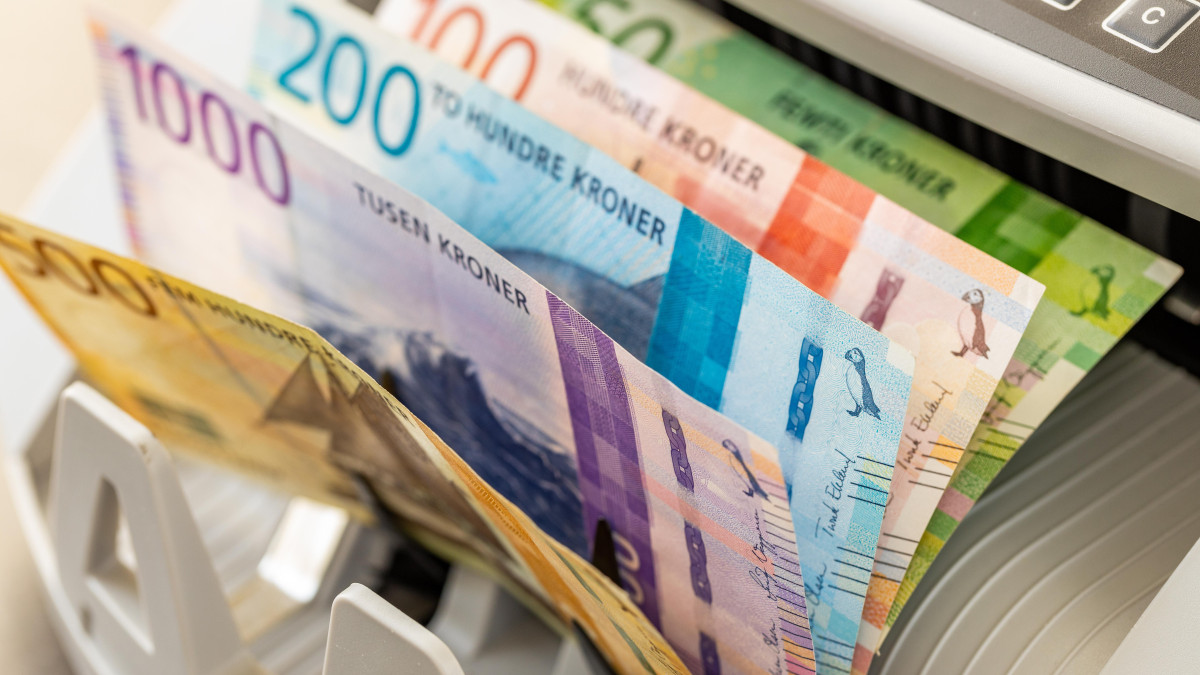
Higher rates may limit demand for mortgage loans.
Fot. Adobe Stock, licencja standardowa
Last week, Norges Bank kept the rate at 4 percent. At the same time, Norges Bank's forecast points to an increase to 4.25-4.5 percent by the end of the year. However, the market is pricing in a higher scenario. Up to three hikes are possible in 2026.
The market is pricing in higher rates
The market points to a level of around 4.69 percent by the end of the year. This means pricing in between two and three hikes. Three full hikes would mean a level of 4.75 percent. This would be the highest level since 2008. Back then, the rate reached 5.75 percent before it dropped sharply.
Handelsbanken senior economist Karine Alsvik Nelson points to the discrepancy. In her opinion, the market is pricing rates higher than Norges Bank's path. There is little left to reach three full hikes. Investor expectations remain elevated. The gap between the forecast and market pricing persists.
Handelsbanken senior economist Karine Alsvik Nelson points to the discrepancy. In her opinion, the market is pricing rates higher than Norges Bank's path. There is little left to reach three full hikes. Investor expectations remain elevated. The gap between the forecast and market pricing persists.

The economy may enter a slowdown phase.Photo: Adobe Stock, standard license
Inflation and cost factors
Inflation remains a key factor in decision-making. Data for January and February were four to five tenths of a percentage point higher than expected. This would be enough to halt planned cuts. Price pressure persists. Norges Bank must respond to it.
Rising wages and rents are affecting inflation. Additionally, energy prices are rising. The situation is complicated by the conflict in the Middle East, which strengthens global inflation expectations. DNB Carnegie expects two hikes this year, pointing to the need to reverse previous cuts.
Rising wages and rents are affecting inflation. Additionally, energy prices are rising. The situation is complicated by the conflict in the Middle East, which strengthens global inflation expectations. DNB Carnegie expects two hikes this year, pointing to the need to reverse previous cuts.
If the scenario of three hikes materializes, it would mean a return to interest rate levels not seen in over a decade. Differences between forecasts and market pricing may affect credit and investment decisions. Further inflation data and changes in energy prices remain key for the future direction of monetary policy.
How do you rate this article?