It Disappeared from the Table and Ended Up in... Concrete. The Shocking Fate of the Norwegian Hen
Norwegians are eating more and more eggs and poultry meat. At the same time, the laying hen has almost disappeared from Norwegian tables, even though millions of birds are raised every year.
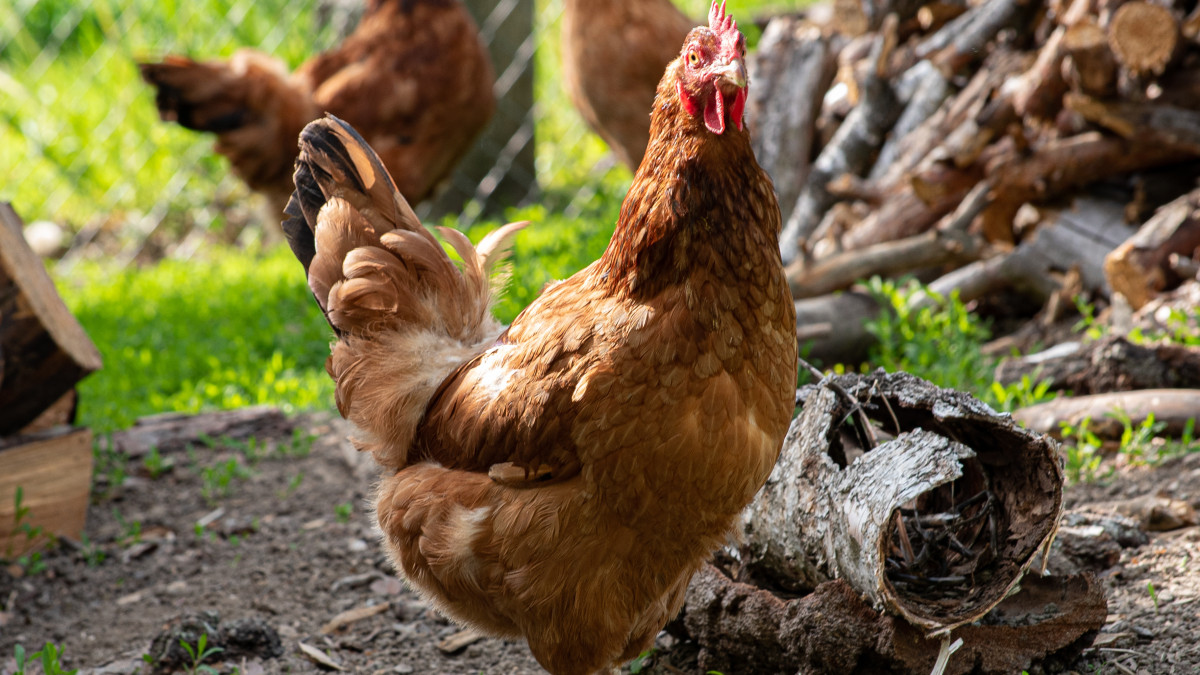
Norwegian residents are unaware of what happens to hens after their laying period ends.
Fot. Adobe Stock, licencja standardowa (zdjęcie poglądowe)
Data from the food market reveals a clear paradox. Egg and chicken consumption is reaching record levels. The situation is completely different for meat from adult hens. Since the mid-1990s, its presence in the Norwegian diet has been steadily declining. For most consumers, the fate of laying hens after their egg production ends remains unknown.
The Hen Lost to the Chicken
The peak popularity of hen meat was in 1995. Since then, sales have dropped by 85 percent. During the same period, chicken has become one of the most popular protein products. In 2025, chicken meat sales reached 110,000 tons.
According to the Norwegian Poultry Association (Norsk Fjørfelag), time and convenience are decisive factors. Chicken has more meat and is quicker to prepare. Hen requires long cooking, often exceeding two hours. In the realities of everyday rush, it loses out to simpler solutions, as NRK journalists point out.
According to the Norwegian Poultry Association (Norsk Fjørfelag), time and convenience are decisive factors. Chicken has more meat and is quicker to prepare. Hen requires long cooking, often exceeding two hours. In the realities of everyday rush, it loses out to simpler solutions, as NRK journalists point out.
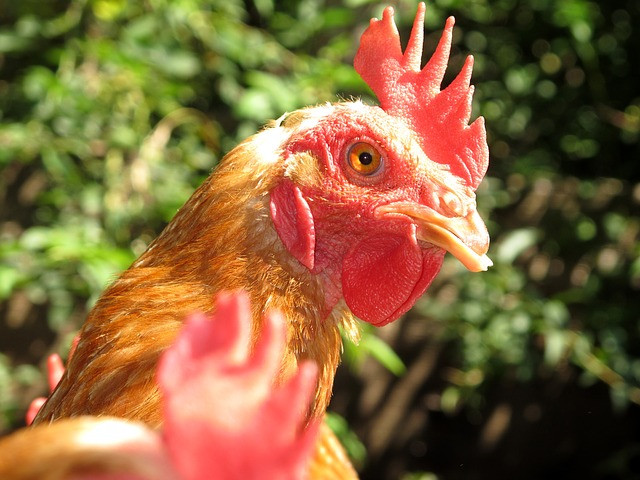
Poultry is the foundation of the Norwegian meat diet.Photo: Pixabay
From Egg Production to Industry
There are about 4 million laying hens in Norway. After about a year and a half, when they stop laying eggs, most are sent for disposal. The birds are processed into technical fat, biodiesel, and ingredients used, among other things, in concrete. Only a small portion ends up being consumed.
Experts in NRK point out that this is a surprise for many consumers. Meat that could be used in the kitchen disappears from the food chain. Additionally, in 2025, the availability of hens for culinary purposes decreased even further. According to "Nationen," a new interpretation of regulations led the food company Nortura to stop slaughtering them for the food market.
Experts in NRK point out that this is a surprise for many consumers. Meat that could be used in the kitchen disappears from the food chain. Additionally, in 2025, the availability of hens for culinary purposes decreased even further. According to "Nationen," a new interpretation of regulations led the food company Nortura to stop slaughtering them for the food market.
Changes in Norwegians' diets go hand in hand with decreasing contact with agriculture. Fewer and fewer people have direct knowledge of animal husbandry and the fate of livestock. At the same time, the hen remains an example of a product that could increase the use of resources in domestic food production. The discussion about its place in Norwegian cuisine returns along with questions about food waste and sustainable consumption.
How do you rate this article?