Is Norway a powerhouse in oil and gas extraction? When it comes to fuels, it is not self-sufficient
Norway is not self-sufficient in diesel and jet fuel. The suspension of transport through the Strait of Hormuz has triggered emergency measures.
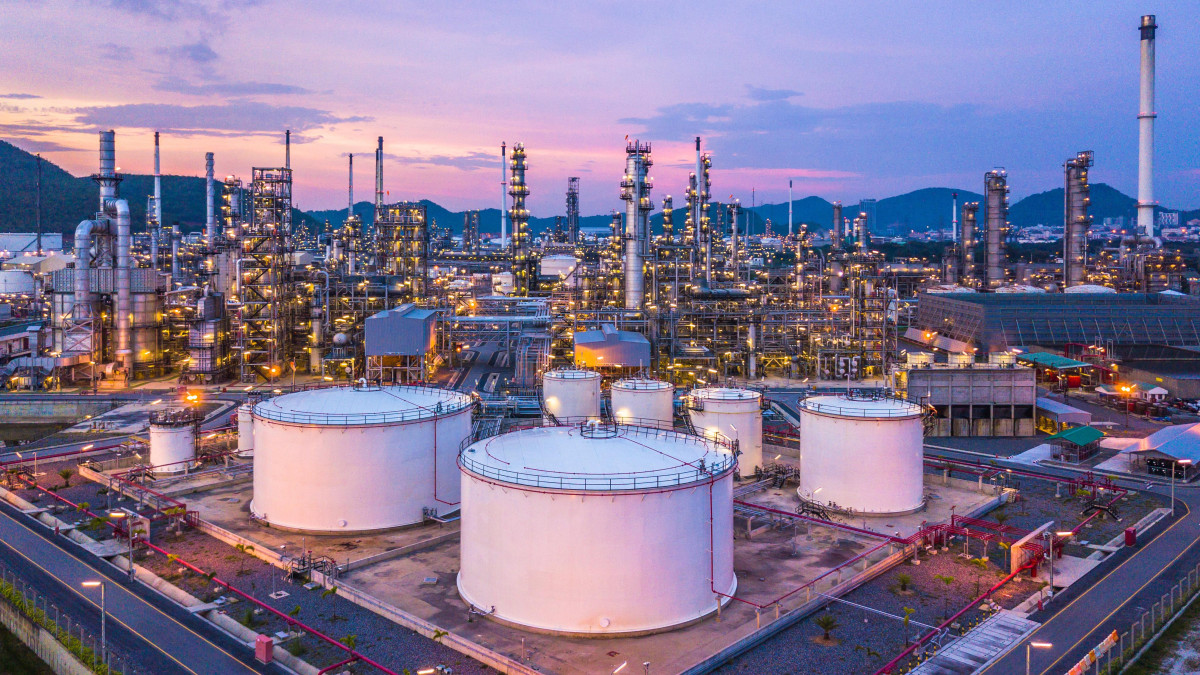
All fuel production in Norway relies on a single refinery.
Fot. Adobe Stock, licencja standardowa (zdjęcie poglądowe)
The Fuel Preparedness Council convened in an emergency session after transport through the Strait of Hormuz was halted. The body typically meets once or twice a year. This time, meetings were called repeatedly. The reason was the situation related to the conflict involving Iran. This information was confirmed by chairwoman Elisabeth Bolstad in an interview with TV 2.
The Council and dependence on imports
The Council was established in 2019 and has nine members. All of them hold security clearances at the 'secret' level or higher. Their task is to advise the government on fuel access in crisis situations. Norway produces enough gasoline. However, it does not meet the demand for diesel and jet fuel.
The country is dependent on the international market. Council members represent various segments of the oil industry. They are the ones who signal the risk of supply disruptions. After the closure of the Strait of Hormuz, the frequency of reporting was increased. Companies now submit data to the Ministry of Economy every week.
The country is dependent on the international market. Council members represent various segments of the oil industry. They are the ones who signal the risk of supply disruptions. After the closure of the Strait of Hormuz, the frequency of reporting was increased. Companies now submit data to the Ministry of Economy every week.
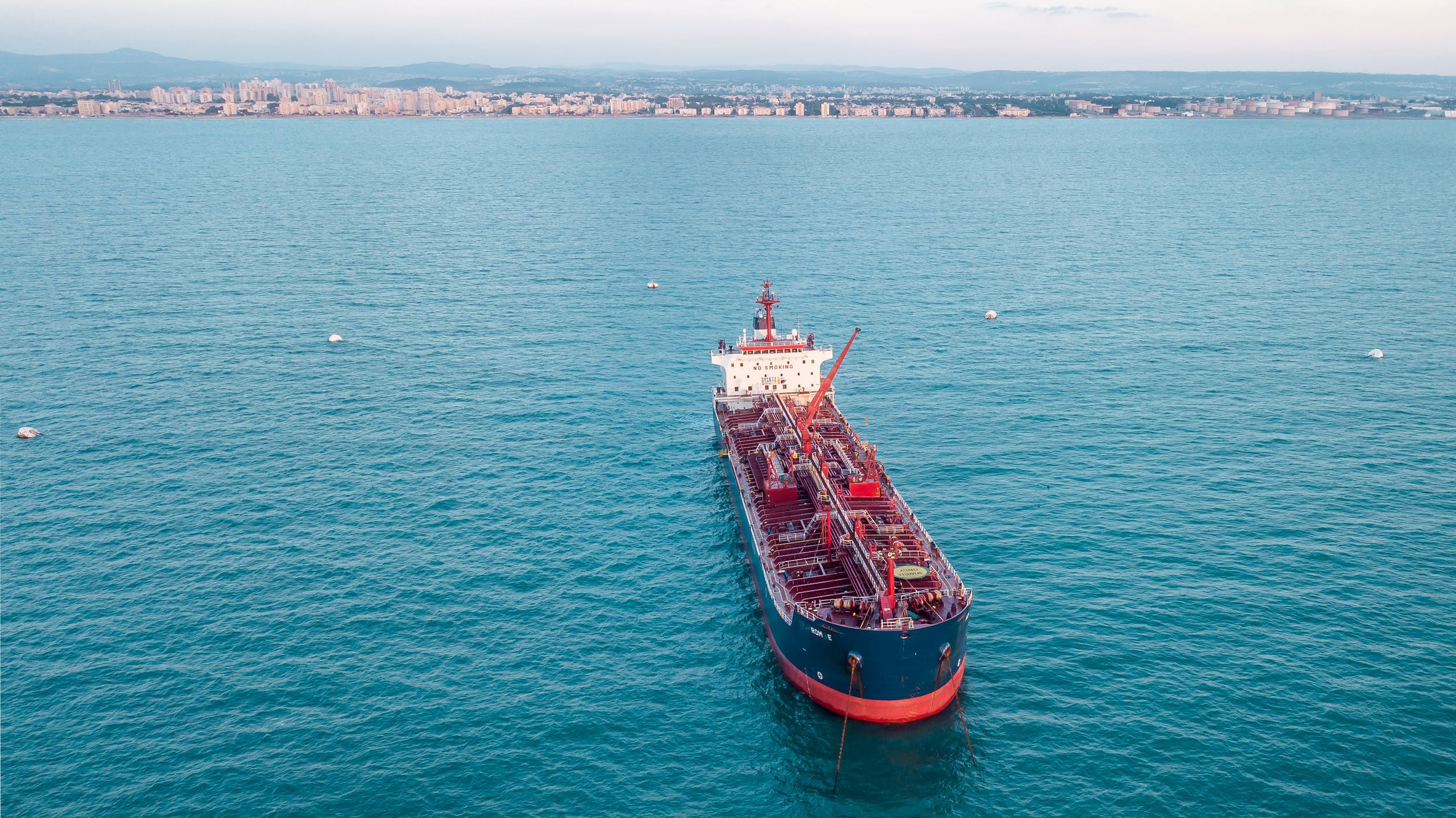
Fuel reaches Norway via a longer and more expensive route.Photo: pexels.com / CC0
Reserves, law, and rising risks
Minister of Economy Cecilie Myrseth told TV 2 that there are currently no fuel shortages or logistical problems. In the event of serious disruptions, emergency measures are possible. The Economic Preparedness Act grants broad powers. Fuel may be prioritized for the military, emergency services, and healthcare. For civilians, this would mean restrictions.
Norway has one refinery, located in Mongstad. The system is sensitive to infrastructure disruptions, including ports and terminals. Strategic reserves cover about 20 days of consumption. The stockpile level has been the subject of parliamentary debate. Progress Party leader Sylvi Listhaug raised the issue during a Q&A session in the Storting. It was noted that neighboring countries have larger emergency reserves. Experts point out that imports have become more indirect, expensive, and less stable, and competition for fuel in Europe is increasing.
Norway has one refinery, located in Mongstad. The system is sensitive to infrastructure disruptions, including ports and terminals. Strategic reserves cover about 20 days of consumption. The stockpile level has been the subject of parliamentary debate. Progress Party leader Sylvi Listhaug raised the issue during a Q&A session in the Storting. It was noted that neighboring countries have larger emergency reserves. Experts point out that imports have become more indirect, expensive, and less stable, and competition for fuel in Europe is increasing.
Lower production of refined fuels in the Middle East and higher prices offered in Asia are limiting supply availability for Europe. Norway must increasingly compete for available diesel volumes from other suppliers.
How do you rate this article?