Ice Rink on Norwegian Roads. NAF Advises How to Brake and React
The variable weather noticeable in Norway can lead to the formation of black ice on the roads. NAF warns drivers about extreme conditions and urges them to adapt their driving style.
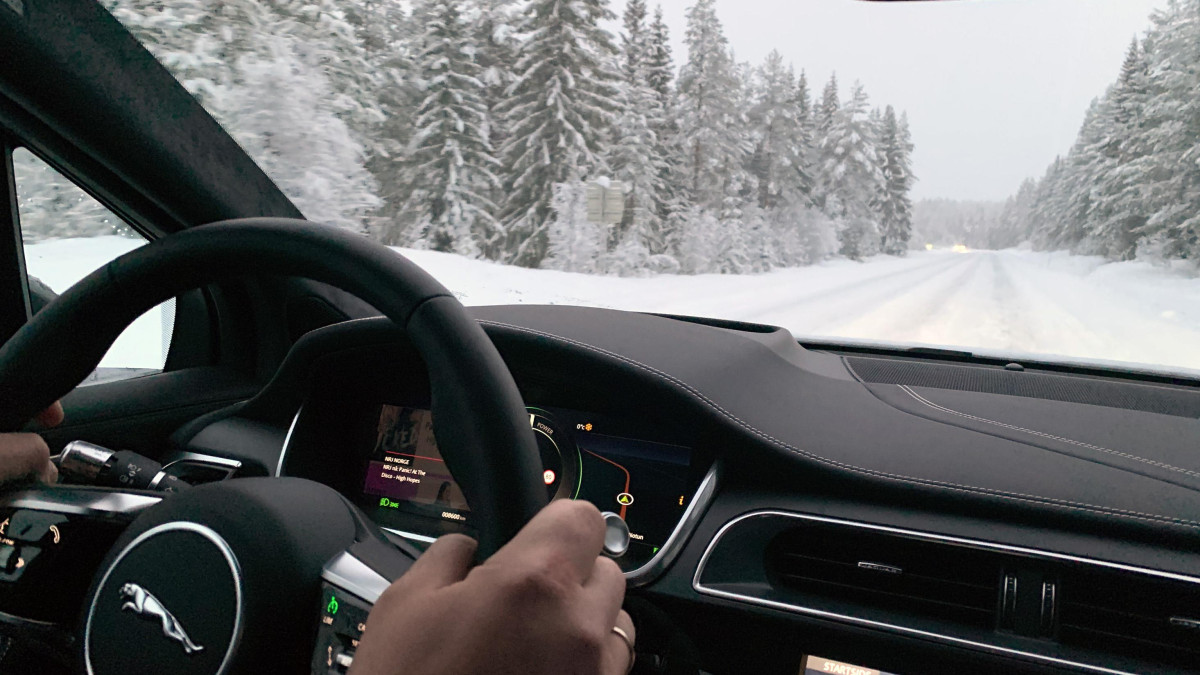
Frequent temperature changes above and below zero contribute to the formation of black ice.
Fot. materiały prasowe NAF
Temperature fluctuations around zero increase the risk of losing traction. Roads in eastern and southern Norway are particularly vulnerable, in regions where temperatures drop and rise quickly. This leads to thawing and subsequent freezing. In addition, rain falling on a cold surface can freeze instantly. NAF (Norwegian Automobile Federation) reminds drivers of basic safety rules.
Brake Hard, Don’t Let Go
It is crucial to adjust your speed to the conditions. NAF recommends keeping both hands on the steering wheel. This improves control of the car in a skid. If you lose control, you should brake as hard as possible.
The ABS system may cause the pedal to vibrate and make noise. This is normal operation of the system. You must not release the brake at this time. Hard braking increases your chances of stopping the vehicle or avoiding an obstacle.
The ABS system may cause the pedal to vibrate and make noise. This is normal operation of the system. You must not release the brake at this time. Hard braking increases your chances of stopping the vehicle or avoiding an obstacle.
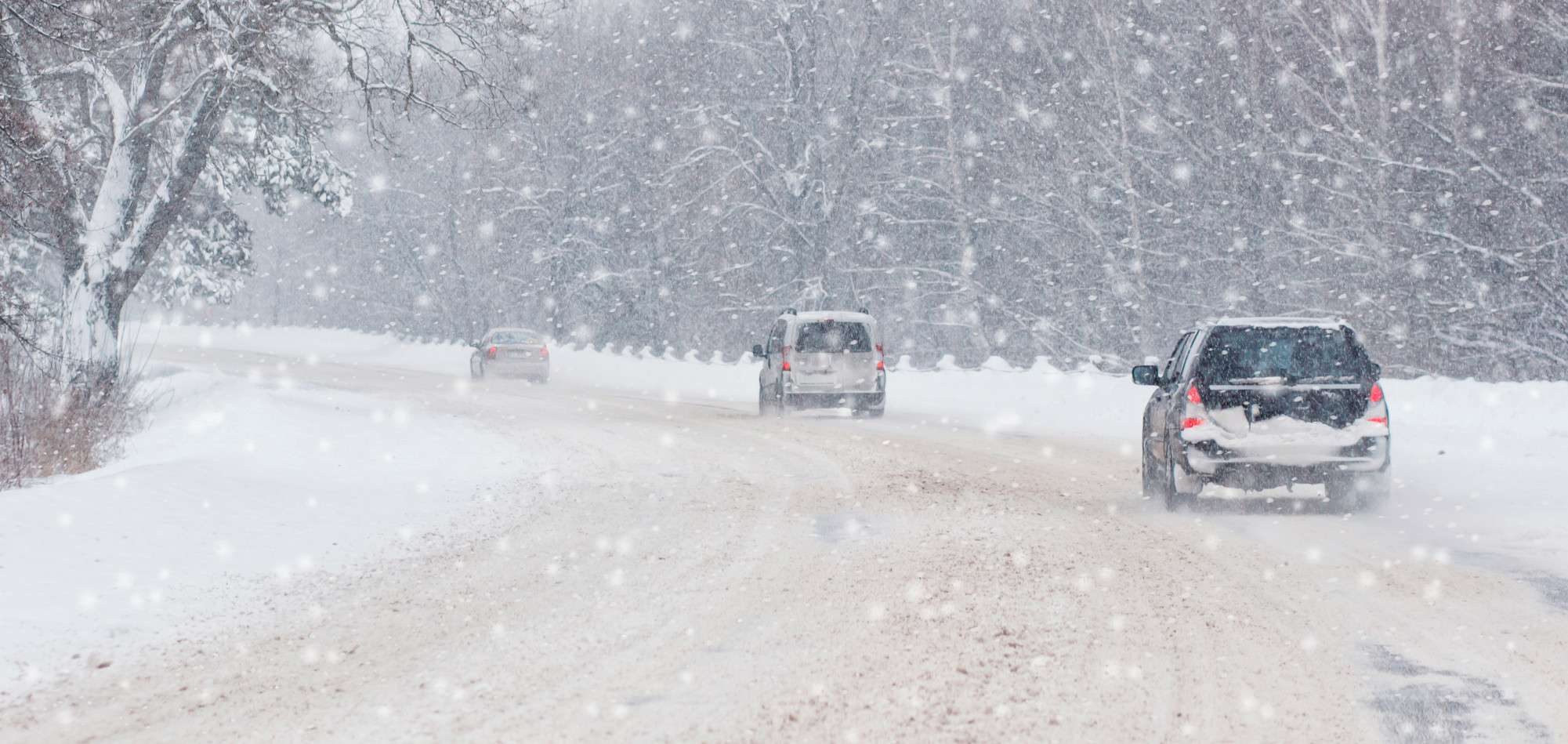
Winter attacks are interspersed with brief warm spells.Photo: Fotolia (illustrative photo)
How to Check Road Grip?
NAF points out three simple tests to assess the road surface. The first concerns the steering response. A gentle, quick movement in a turn will show if the wheels are losing contact with the road. No response means the road is very slippery.
The second test is acceleration. If the wheels spin easily, conditions are difficult. The third is short braking tests. A long skid before stopping requires extra caution. You can repeat these exercises while driving.
The second test is acceleration. If the wheels spin easily, conditions are difficult. The third is short braking tests. A long skid before stopping requires extra caution. You can repeat these exercises while driving.
NAF draws attention to behavior during a skid. Sudden steering makes the situation worse. Electronic stability systems help, but they need traction. At excessive speeds, these systems will not work effectively, and only seat belts, airbags, and the car’s structure will provide protection.
How do you rate this article?