Healthy as Norwegian cheese. Research leaves no illusions
Full-fat cheeses and dairy products may be linked to a lower risk of dementia. These are the conclusions from a large, long-term study conducted in Sweden. The analysis also included vascular dementia. The authors emphasize that the results indicate a statistical correlation, not a direct causal relationship.
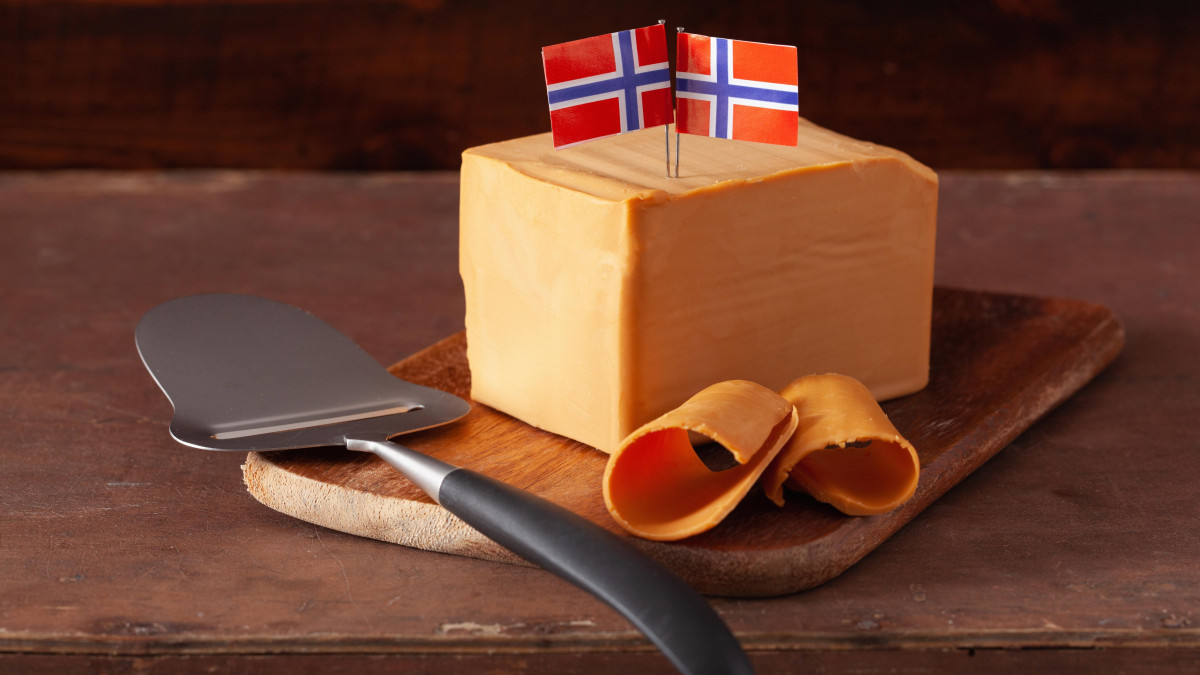
Brunost, considered one of the most distinctive Norwegian cheeses, is made from boiled whey and has a naturally sweet flavor resulting from the caramelization of milk sugars.
Fot. Adobe Stock, licencja standardowa
The study included 27,670 participants observed over 25 years. Scientists analyzed their diet, lifestyle, and health status. Factors such as physical activity, smoking, alcohol consumption, and eating habits were taken into account.
People who consumed 50 grams of cheese with at least 20 percent fat content daily were less likely to develop dementia than those who ate less than 15 grams per day.
People who consumed 50 grams of cheese with at least 20 percent fat content daily were less likely to develop dementia than those who ate less than 15 grams per day.
Differences in dementia risk
The highest consumption of full-fat cheeses was associated with a 13 percent lower overall risk of dementia. For vascular dementia, the difference was 29 percent.
The analyzed products included cheddar, brie, and gouda. The study also highlighted products popular in Norway, including brunost with 35 percent fat content and the Christmas version (julebrunosten) with 26 percent fat.
The analyzed products included cheddar, brie, and gouda. The study also highlighted products popular in Norway, including brunost with 35 percent fat content and the Christmas version (julebrunosten) with 26 percent fat.
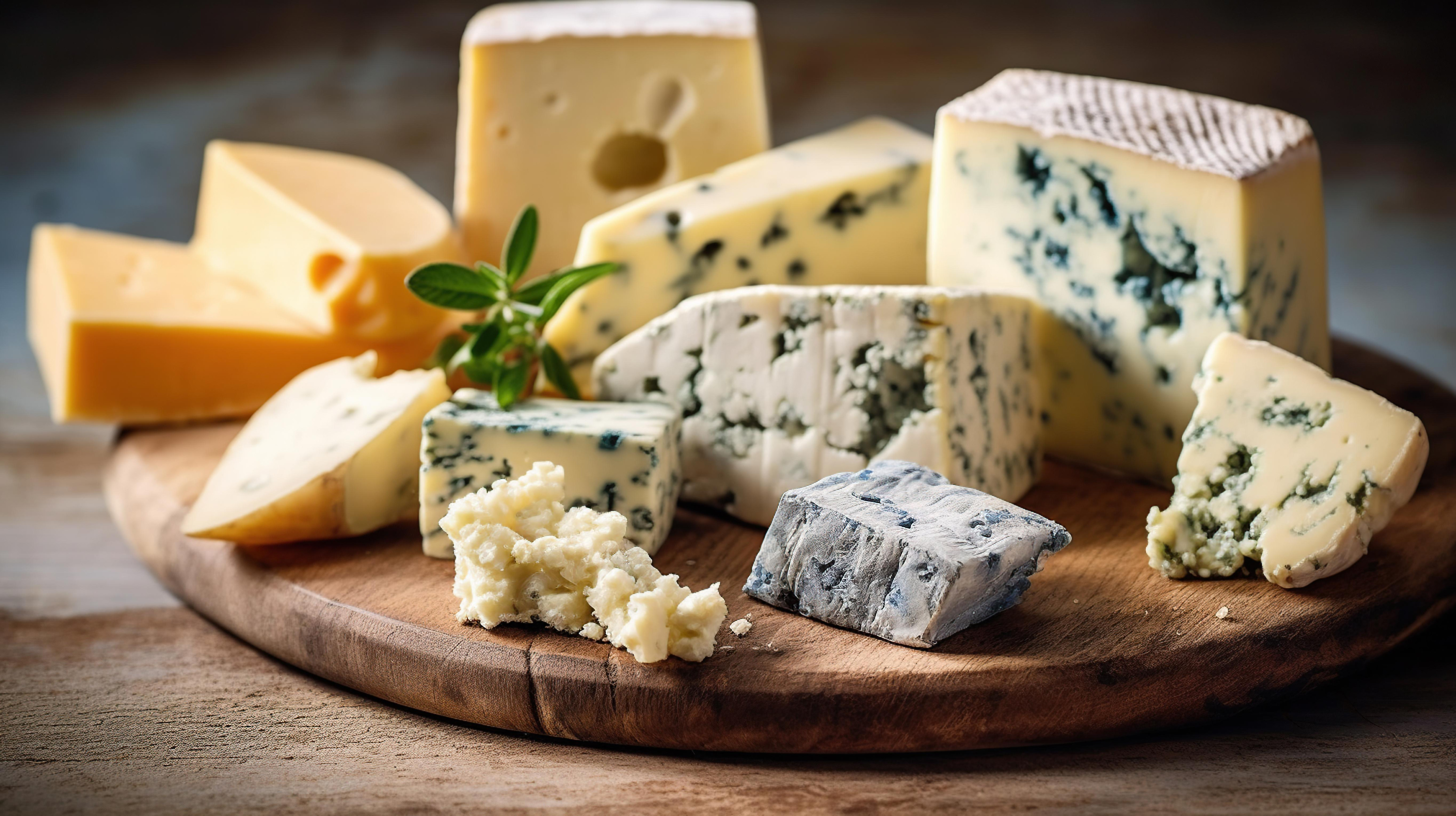
Particular attention was paid to cheeses with a high fat content.Photo: stock.adobe.com/standard license
Products without a confirmed effect
The study did not show similar correlations for low-fat dairy products. No effect was found for other dairy categories either.
However, it was noted that daily consumption of full-fat cream was associated with a lower risk of dementia. The data was based on weekly food diaries and surveys about previous years.
However, it was noted that daily consumption of full-fat cream was associated with a lower risk of dementia. The data was based on weekly food diaries and surveys about previous years.
The study results were published in the journal "Neurology." The authors stress that further analysis is needed. Participants who consumed more full-fat cheese were less likely to develop dementia, but the mechanism behind this phenomenon remains unknown. Researchers from Lund University announce further studies on the impact of full-fat dairy ingredients on brain function.
How do you rate this article?