Fuel Relief Not for Everyone? Report Shows Who Benefits the Most
A new report by CICERO and the Institute of Transport Economics shows that high fuel prices put the greatest burden on Norway’s middle class. Particularly vulnerable are residents of regions outside major urban centers, single-person households, and single parents.
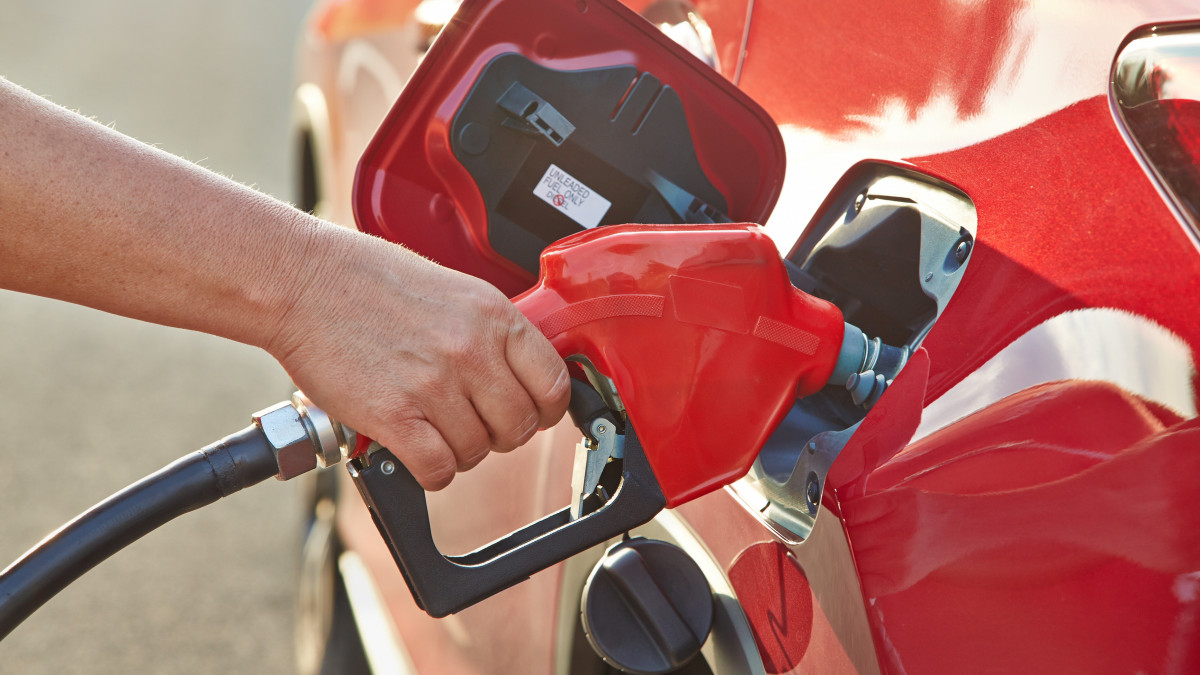
Fuel prices have been one of the hottest topics in Norway in recent weeks.
Fot. Fotolia
The report corrects the picture of the fuel price debate. The greatest burden is not borne by the poorest or the richest. The poorest households often do not own a car. The wealthiest are more likely to drive electric cars. Households "in the middle" of Norwegian society are the most exposed to fuel prices.
Further from the City? More Dependent on Cars
The analysis is based on vehicle registry and income statistics data. It shows that place of residence matters more than income itself. Outside major urban centers, car ownership is more common and distances traveled are longer. This is why rising fuel prices quickly burden household budgets.
In the lowest income group, 20 percent of households own a car; in the highest, 86 percent do. Two or more cars are owned by 2.7 percent of the poorest, compared to 42 percent of the wealthiest. The richest are also more likely to use electric cars.
In the lowest income group, 20 percent of households own a car; in the highest, 86 percent do. Two or more cars are owned by 2.7 percent of the poorest, compared to 42 percent of the wealthiest. The richest are also more likely to use electric cars.
Norwegian Middle Class Hit the Hardest
For 91 percent of households, fuel expenses are less than 4 percent of total income. The highest relative burden is found in the middle of the income distribution, averaging 1.7 percent. For the wealthiest 10 percent, it drops to 0.8 percent. According to Nina Bruvik Westberg from CICERO, households in the middle of the income distribution travel long distances but are less likely than the wealthiest to use electric cars.
The report also identifies a particularly vulnerable group—about 5 percent of Norwegian households. They have low incomes and high fuel consumption. In this group, 54 percent are people living alone, and another 9 percent are single parents. For them, fuel expenses average 3.9 percent of income.
The report also identifies a particularly vulnerable group—about 5 percent of Norwegian households. They have low incomes and high fuel consumption. In this group, 54 percent are people living alone, and another 9 percent are single parents. For them, fuel expenses average 3.9 percent of income.
How Much Norwegians Spend on Fuel: The Differences Are Huge
Annual mileage increases with income. The lowest income group drives about 2,500 kilometers per year on average. In the highest income group, annual mileage exceeds 17,000 kilometers. Average annual fuel expenses are about NOK 2,800 for the poorest. In the second wealthiest group, they reach NOK 13,800.
For the wealthiest 10 percent, expenses drop to NOK 13,200 due to a higher share of electric cars. The report also shows differences between municipalities. In low fuel consumption groups, 52 to 65 percent of households live in the most central municipalities. In high consumption groups, this is 31 to 43 percent.
For the wealthiest 10 percent, expenses drop to NOK 13,200 due to a higher share of electric cars. The report also shows differences between municipalities. In low fuel consumption groups, 52 to 65 percent of households live in the most central municipalities. In high consumption groups, this is 31 to 43 percent.
The report is part of an ongoing political debate in the Storting. In the spring, the road fee was reduced to zero to lower costs for drivers. The report also suggests another solution: direct support for low-income households living outside major urban centers. This would protect the most vulnerable, but would not eliminate the price signal that limits fuel consumption.
How do you rate this article?