Flights may be limited. Norway has only 20 days of fuel reserves
Rising prices and the risk of jet fuel shortages may disrupt holiday travel in Europe. The industry warns of possible flight restrictions and supply issues.
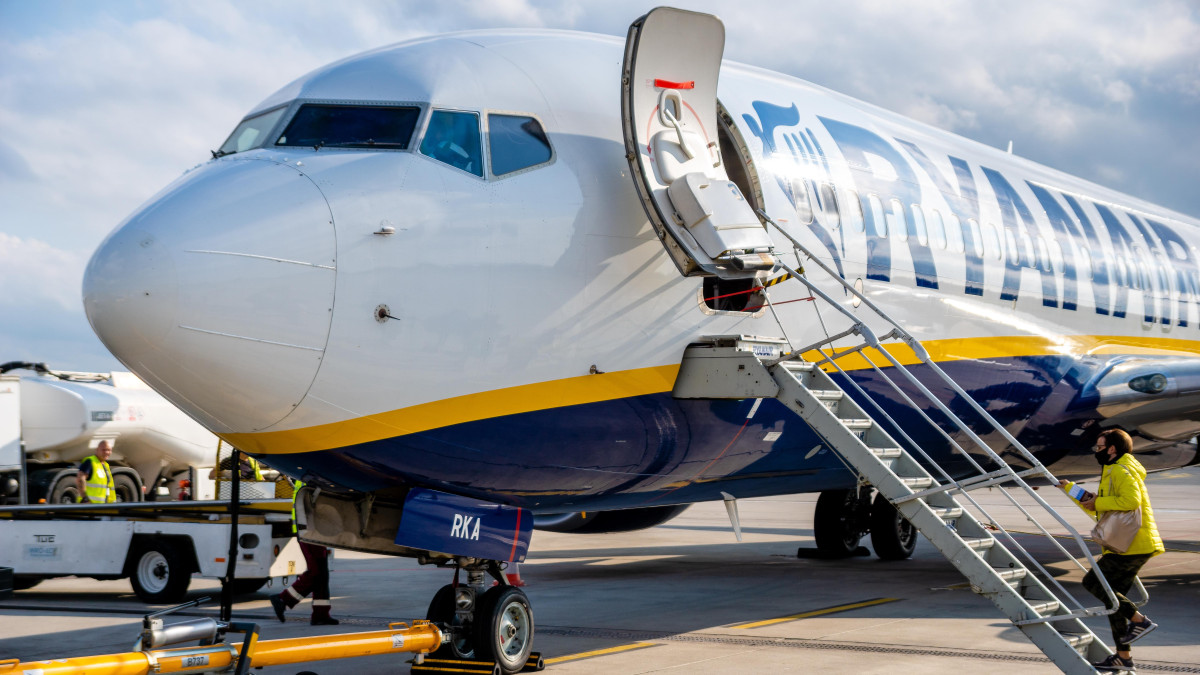
Uncertainty concerns the coming weeks.
Fot. stock.adobe.com/ fot. Mike Mareen/ tylko do użytku redakcyjnego
Jet fuel prices have more than doubled since the start of the conflict in the Middle East. This is much more than the approximately 50 percent increase in crude oil prices before the ceasefire between the US, Iran, and Israel. Experts point to the risk of fuel shortages in Europe, affecting both supply and reserves. Airlines are already feeling the impact of the situation.
Rising fuel prices and the effects of the conflict
About 30 percent of jet fuel produced in the Persian Gulf region goes to Europe. Disruptions directly affect the European market. The Iran-US conflict has blocked the Strait of Hormuz, through which about 20 million barrels of oil are transported daily. As a result, some tankers have been trapped in the Persian Gulf. At the same time, fuel reserves remain low.
IATA chief Willie Walsh points out that even reopening the route will not quickly solve the problem. The key limitation is damage to refineries in the Middle East, which are responsible for jet fuel production. Returning to full capacity may take several months. A two-week ceasefire does not guarantee an improvement in the short term.
IATA chief Willie Walsh points out that even reopening the route will not quickly solve the problem. The key limitation is damage to refineries in the Middle East, which are responsible for jet fuel production. Returning to full capacity may take several months. A two-week ceasefire does not guarantee an improvement in the short term.
The increase in jet fuel prices is clearly higher than the rise in crude oil prices.Photo: stock.adobe.com/standardowa
Airports, airlines, and reserve levels
The ACI Europe organization warns of "systemic" fuel shortages. The problem could arise within three weeks if the Strait of Hormuz is not fully reopened. Airport reserves are quickly depleting. Another factor is increased demand due to military operations. Suppliers cannot guarantee deliveries from May onwards.
Some airports are introducing restrictions, including four airports in Italy. Airlines declare reserves for several weeks, but flights are already being canceled. SAS canceled over 1,000 flights in April due to high fuel costs. Norwegian is partially supplied by Nordic producers. Meanwhile, Norse Atlantic Airways is seeking funding due to rising costs.
Some airports are introducing restrictions, including four airports in Italy. Airlines declare reserves for several weeks, but flights are already being canceled. SAS canceled over 1,000 flights in April due to high fuel costs. Norwegian is partially supplied by Nordic producers. Meanwhile, Norse Atlantic Airways is seeking funding due to rising costs.
Differences in reserve levels between countries remain significant. Portugal has reserves for four months, and France for eight. Norway has reserves sufficient for about 20 days in the event of a complete supply halt, according to regulations in force since 2006. FFI experts point to the need to increase them. The government is working on updating regulations and is monitoring the situation in cooperation with the industry and international organizations.
How do you rate this article?