First fuel, then clothing and food. What’s next for prices in Norway?
Restrictions in the Strait of Hormuz may lead to higher prices for food, clothing, and other goods. After the US and Israeli attacks on Iran, oil and fuel prices rose first. Now, experts are pointing to delayed effects on global supply chains.

The real crisis may still be ahead.
Fot. stock.adobe.com/licencja standardowa
Twelve weeks have passed since the US and Israeli attacks on Iran. Ship traffic through the Strait of Hormuz has been restricted. This is an important route for oil, gas, fertilizers, aluminum, and helium. Fuel prices were the first to rise, which in Norway led to the introduction of a price reduction system.
Clothing prices may rise. Experts point to crisis effects
According to Thina Saltvedt from Nordea Markets, many effects of the crisis are not yet visible. This concerns products linked to the Middle East. Often, the connection is indirect and relates to oil, gas, transport, or raw materials used in production.
An example is textiles, much of which are made from polyester. The material is based on oil and gas. Its production largely takes place in Asia. Saltvedt told E24 that a prolonged crisis could bring unexpected consequences.
An example is textiles, much of which are made from polyester. The material is based on oil and gas. Its production largely takes place in Asia. Saltvedt told E24 that a prolonged crisis could bring unexpected consequences.
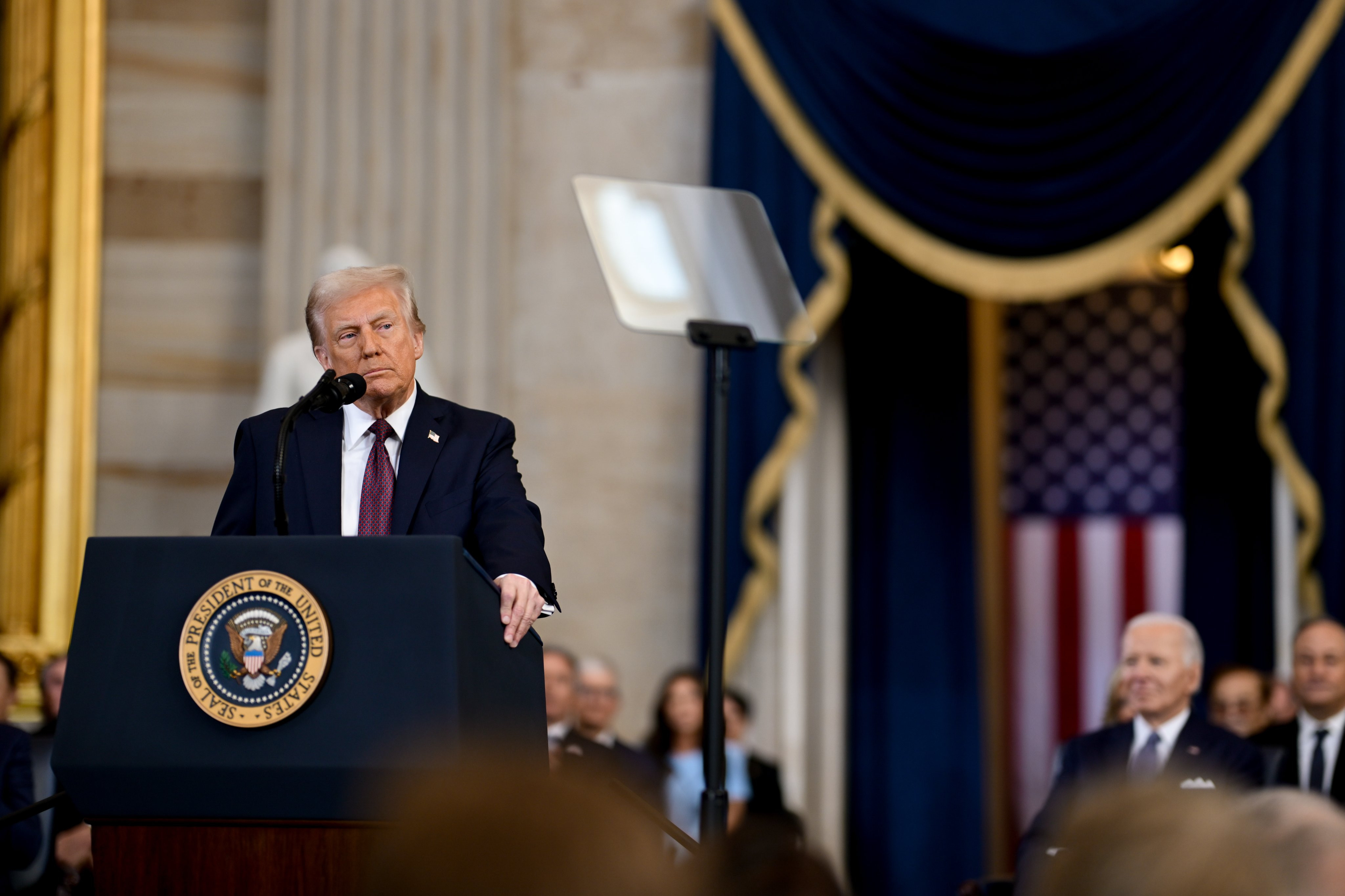
There are no reports suggesting that tensions between the US and Iran will ease in the coming days.Photo: CC0
Growing concerns about food and fertilizers. A warning for the whole world
The FAO (Food and Agriculture Organization of the United Nations) warns of a serious food price crisis within 6–12 months. The organization points out that the closure of the strait is not just a temporary disruption of shipping. It could be the beginning of a shock to agriculture and the food sector. The FAO advises against export restrictions and calls for alternative trade routes.
Yara reports that, under normal conditions, 23% of global ammonia and 34% of global urea pass through the Strait of Hormuz. These are important components for fertilizer production. Hanna Opsahl-Ben Ammar from Yara told E24 that about half of the world’s food production depends on fertilizers. Gas and ammonia stuck in the Persian Gulf are also a problem. Small farmers in the poorest countries may suffer the most.
Yara reports that, under normal conditions, 23% of global ammonia and 34% of global urea pass through the Strait of Hormuz. These are important components for fertilizer production. Hanna Opsahl-Ben Ammar from Yara told E24 that about half of the world’s food production depends on fertilizers. Gas and ammonia stuck in the Persian Gulf are also a problem. Small farmers in the poorest countries may suffer the most.
Fuels still at risk. Is this not the end of the crisis?
Disruptions also affect aluminum and plastics. The price of the former rose by over 20% in 2026, reaching nearly $3,600 per ton. This is close to the peaks seen in 2022. Problems in the plastics market may impact the prices of food packaging and many everyday products. In Japan, there are already reports of shortages of gloves and medical equipment for surgeries.
IEA (International Energy Agency) chief Fatih Birol warned that the oil sector could enter a “red zone” in July or August due to continued use of global reserves. According to US media, a possible agreement between Iran and the US could mean reopening the Strait of Hormuz. However, the details of any deal remain uncertain. Experts point out that even after the route is reopened, it may take a long time for the oil market to stabilize.
IEA (International Energy Agency) chief Fatih Birol warned that the oil sector could enter a “red zone” in July or August due to continued use of global reserves. According to US media, a possible agreement between Iran and the US could mean reopening the Strait of Hormuz. However, the details of any deal remain uncertain. Experts point out that even after the route is reopened, it may take a long time for the oil market to stabilize.
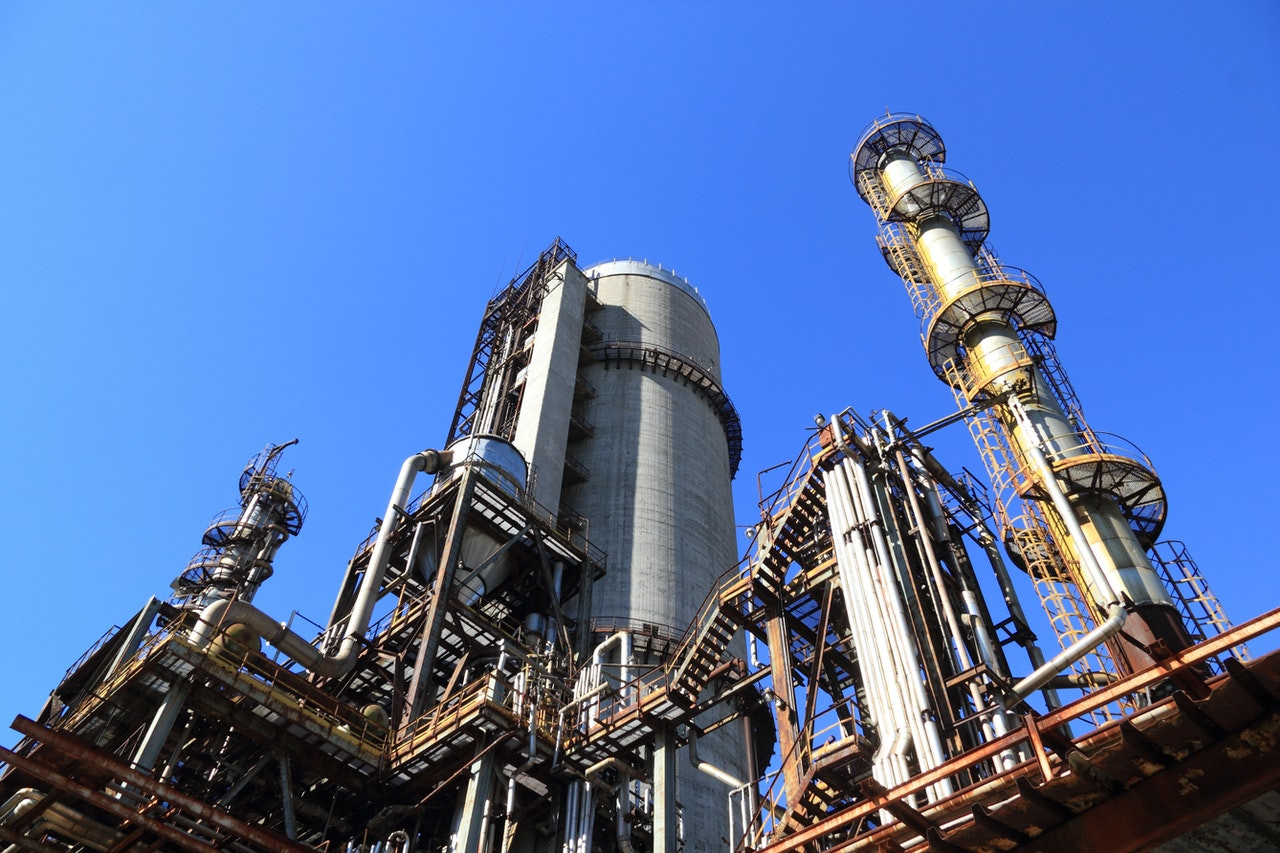
Problems in the fuel market may persist the longest.Photo: Pexels
Some countries are reducing fuel taxes to limit the impact on consumers. Others are trying to cut consumption. Saltvedt points out that the effects will be felt most strongly in countries with lower purchasing power. Europe may notice them later. Norway may also feel the effects in later stages of the crisis, as it imports many goods from Asia.
How do you rate this article?