Cyclists are dying, drivers are safer. Norway wants changes to the law
In 2025, 11 cyclists died on Norwegian roads. This is more than in previous years, when 6 died annually. A new ETSC (European Transport Safety Council) report indicates that cyclist safety is improving much more slowly than driver safety.
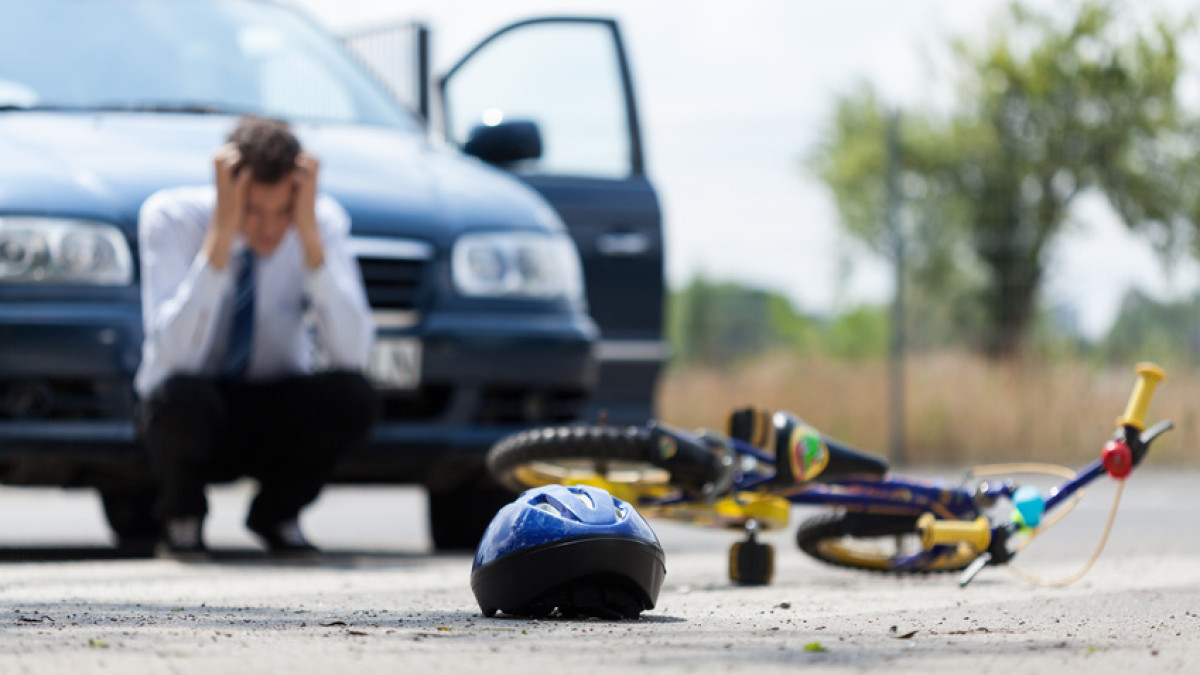
Although safety for drivers and passengers has improved, the same cannot be said for cyclists.
Fot. Fotolia (zdjęcie poglądowe)
Data from Norway fits into a broader problem described in the ETSC report. In the European Union, 1,926 cyclists died in 2024. From 2014 to 2024, the number of such victims fell by 8 percent. In the same period, the number of fatalities among motorized road users decreased about four times faster.
Norway sees a similar problem. What about cyclists by the fjords?
In Norway, 11 cyclist fatalities made up part of the total 106 people killed in road traffic in 2025. Cyclists accounted for about 10 percent of all victims. This is a level similar to the data for the EU and Norway combined. According to the Public Roads Administration (Statens vegvesen), the issue of cyclist safety is becoming increasingly important for achieving the so-called Vision Zero.
Guro Ranes from Statens vegvesen points to the need to give greater consideration to cyclists in safety measures. This means lower speeds where cars and bicycles share the same space. It also means consistent and safe cycling routes. The Norwegian authority announces actions on national roads as well as support for municipalities and regions.
Guro Ranes from Statens vegvesen points to the need to give greater consideration to cyclists in safety measures. This means lower speeds where cars and bicycles share the same space. It also means consistent and safe cycling routes. The Norwegian authority announces actions on national roads as well as support for municipalities and regions.
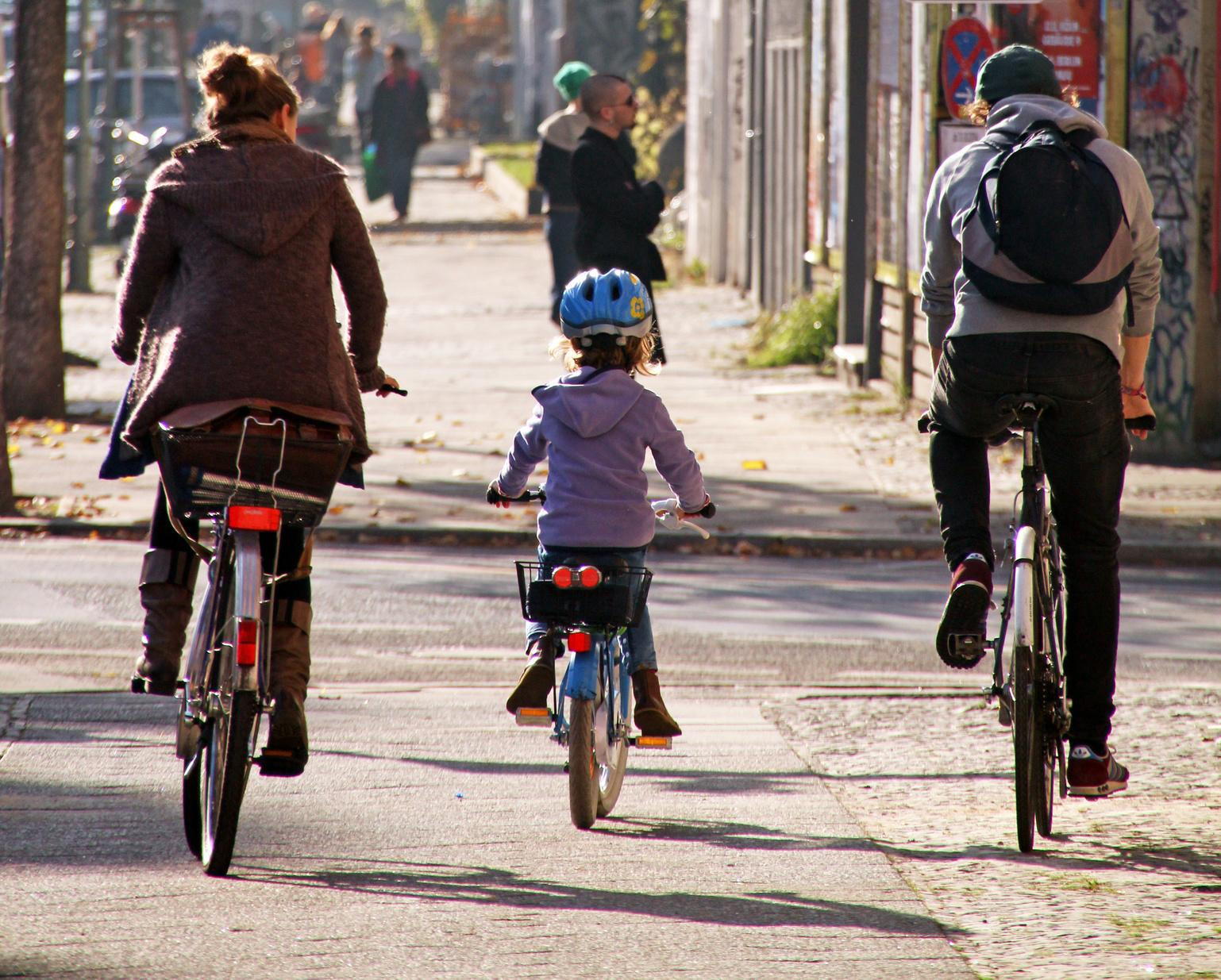
Officials talk about the growing popularity of bicycles in Norway.Photo: Fotolia
What could help? Norway considers speed limits
The report indicates that 65 percent of fatal cyclist accidents in the EU occur in collisions with passenger cars. At least 28 percent of such incidents do not involve other vehicles. These include falls, hitting curbs, or other obstacles. In Norway, the share of collisions with passenger cars is slightly lower, but in the most serious accidents, it remains a major problem.
ETSC points to speed as one of the key risk factors. The risk of death when hit at 50 km/h is much higher than at 30 km/h. That is why, where cyclists and cars cannot be separated, a 30 km/h limit is recommended. The report also mentions speed bumps, more effective enforcement, and greater investment in separated cycling infrastructure.
ETSC points to speed as one of the key risk factors. The risk of death when hit at 50 km/h is much higher than at 30 km/h. That is why, where cyclists and cars cannot be separated, a 30 km/h limit is recommended. The report also mentions speed bumps, more effective enforcement, and greater investment in separated cycling infrastructure.
Statens vegvesen reminds that in Norwegian cities, more and more people are choosing bicycles as a means of transport. This increases the demands on intersection design, route maintenance, and traffic organization. The authority also points out the problem of underestimating the scale of injuries. Some serious cyclist injuries do not make it into the statistics, so the risk may be assessed too low and actions taken too late.
How do you rate this article?