Bread in Norway. Not everyone knows what they are eating
Norwegians eat too little whole grain bread. One third of respondents have difficulty recognizing which bread is healthy. This comes from a Norstat survey conducted for NRK.
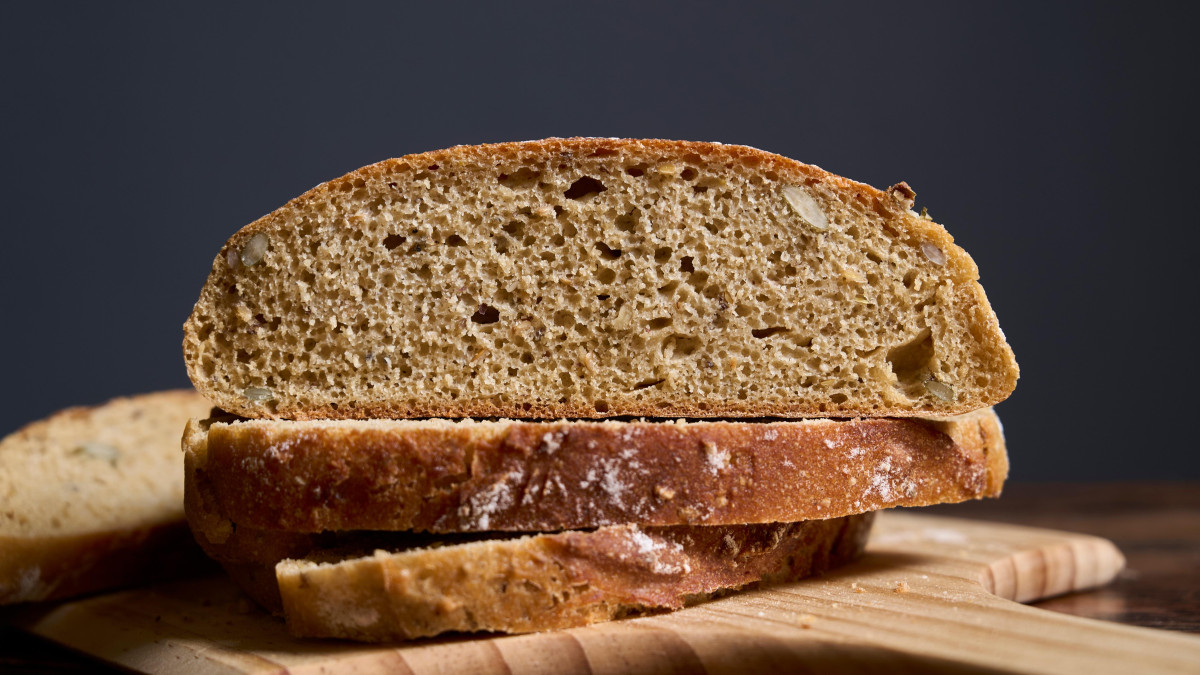
Appearance does not always reflect good bread ingredients.
Fot. Adobe Stock, licencja standardowa (zdjęcie poglądowe)
Stores offer a wide selection of bread with varying degrees of milling. Some consumers use the bread scale shown on packaging. The circular label indicates how whole grain the product is.
However, not everyone finds it clear enough. According to the survey, almost one in three respondents has trouble assessing whether a given product is healthy.
However, not everyone finds it clear enough. According to the survey, almost one in three respondents has trouble assessing whether a given product is healthy.
Recommendations and actual consumption
The Norwegian Directorate of Health points out that whole grain consumption in Norway is too low. The recommendation is at least 90 grams of whole grain per day, which is about four slices of whole grain bread.
Meanwhile, the average intake is 56 grams per day. This data is also confirmed by the Nordic Nutrition Report published in December. The document shows a decrease in the number of bread slices consumed.
Meanwhile, the average intake is 56 grams per day. This data is also confirmed by the Nordic Nutrition Report published in December. The document shows a decrease in the number of bread slices consumed.
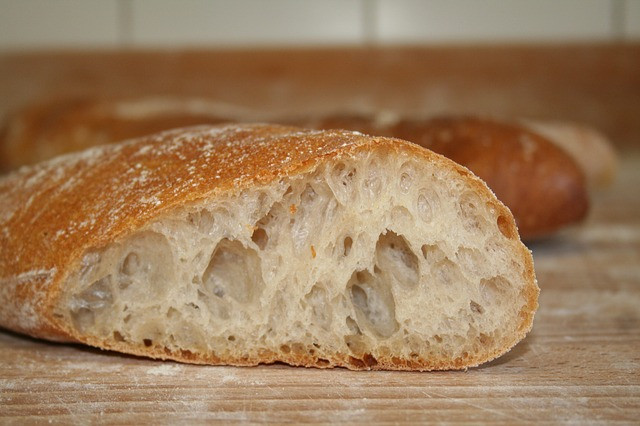
Some consumers are limiting their bread consumption.Photo: pixabay.com
Ultra-processing and bread ingredients
Clinical dietitian Tine Sundfør points to growing consumer confusion. She notes that some people are giving up bread due to the debate about ultra-processed foods.
Some very whole grain breads contain technological additives, such as enzymes. These substances help the dough rise. As a result, the ingredient list on the packaging is longer.
Some very whole grain breads contain technological additives, such as enzymes. These substances help the dough rise. As a result, the ingredient list on the packaging is longer.
Label more important than bread color
Experts emphasize that the appearance of bread can be misleading. Sometimes, products that look whole grain contain only a small proportion of whole grain flour, even as little as 13 percent.
Information about ingredients and milling degree can be found on the labels. These are the main source of information for consumers standing in front of the bread shelf.
Information about ingredients and milling degree can be found on the labels. These are the main source of information for consumers standing in front of the bread shelf.
How do you rate this article?