Artificial intelligence is conquering Norwegian roads. It even decides how much salt to use
Artificial intelligence supports winter road maintenance in Norway. The new technology allows for precise salt dosing and can reduce its usage by as much as 20-40 percent.
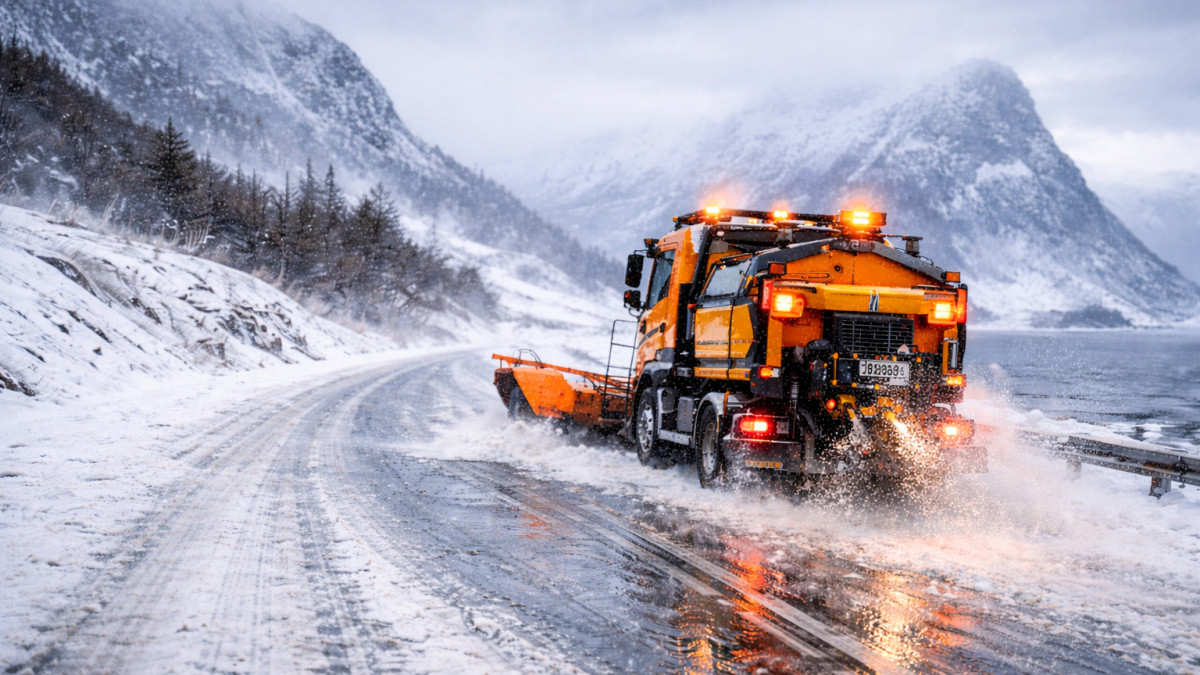
Data from vehicles can be used to create a nationwide ice risk map.
Fot. Wygenerowano przy pomocy AI
Lasers, cameras, and sensors mounted on snow plows analyze road surface conditions while driving. The system reads road conditions and automatically adjusts the amount of salt. The technology was tested for three years in the Salten region. Its operation was demonstrated to Transport Minister Jon-Ivar Nygård during a visit to Bodø.
Tests in Salten and the decision to implement
During a short drive, the minister observed friction measurements and road condition assessments. The system analyzed data in real time and also took into account weather forecasts for the coming hours. The amount of salt was automatically adjusted.
Jon-Ivar Nygård pointed out that new technologies increase safety and improve road accessibility. He emphasized the role of artificial intelligence, sensors, and large data sets. He noted that the solution benefits both the environment and drivers. Tore Lysberg from the Norwegian Public Roads Administration also spoke about the development of AI-based projects.
The Norwegian Public Roads Administration is involved in several research projects related to state AI centers. The priority is to use AI in winter road maintenance. The institution highlights the negative impact of salt on the environment, road infrastructure, and vehicles. At the same time, it points to the increasing number of days with temperatures around zero and changing weather conditions.
Jon-Ivar Nygård pointed out that new technologies increase safety and improve road accessibility. He emphasized the role of artificial intelligence, sensors, and large data sets. He noted that the solution benefits both the environment and drivers. Tore Lysberg from the Norwegian Public Roads Administration also spoke about the development of AI-based projects.
The Norwegian Public Roads Administration is involved in several research projects related to state AI centers. The priority is to use AI in winter road maintenance. The institution highlights the negative impact of salt on the environment, road infrastructure, and vehicles. At the same time, it points to the increasing number of days with temperatures around zero and changing weather conditions.
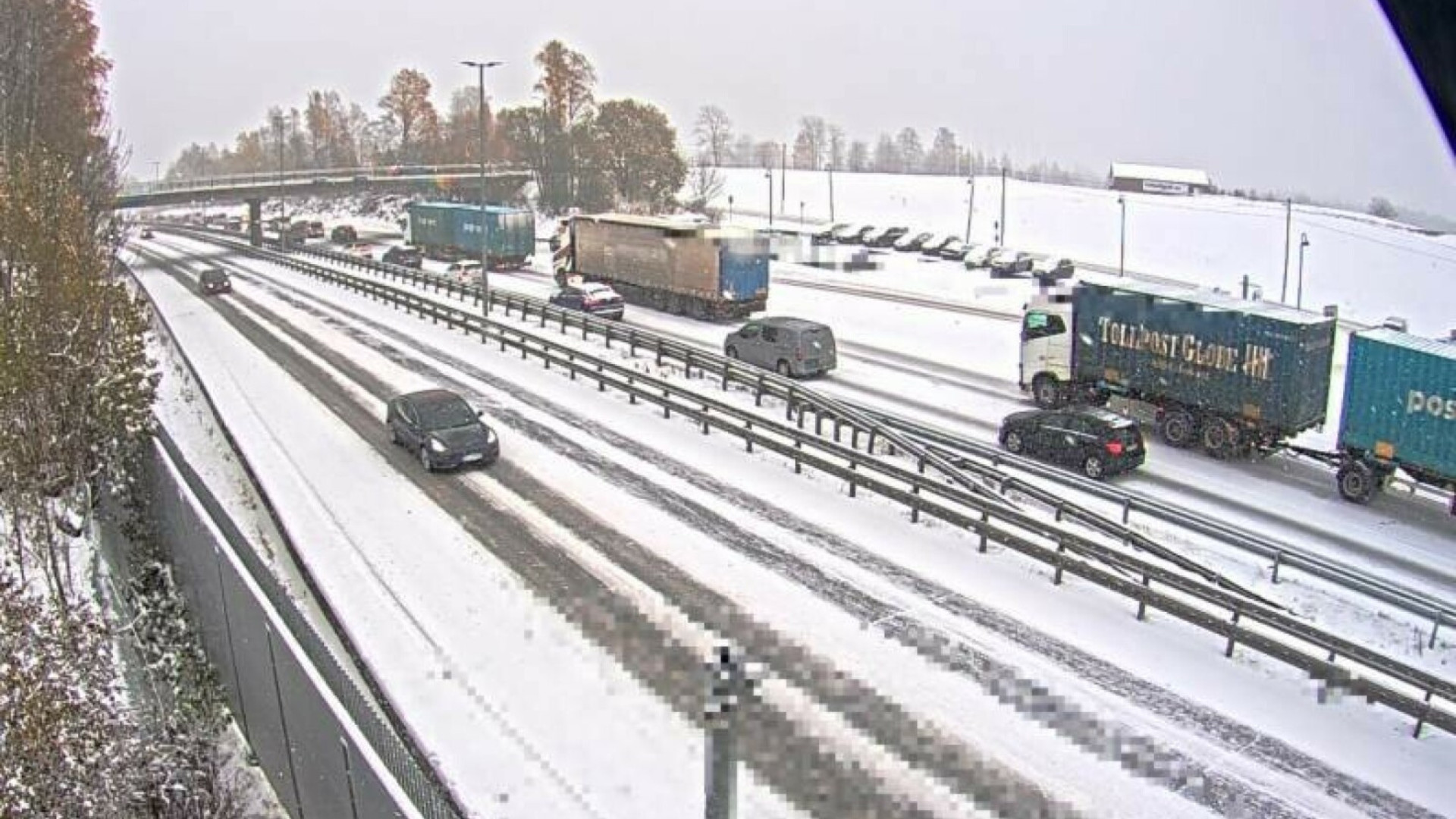
The solution can reduce the costs of purchasing and storing road salt.Photo: Statens vegvesen webcam
Reduction potential and international interest
The Ahead system, developed by Swedish company Klimator, was tested in the Salten region. From the next winter season, road maintenance contractor Mesta will use this technology in all four vehicles serving national roads in the region. Within a few years, the solution is expected to cover all of the company's maintenance contracts in Norway. Tests indicate the possibility of reducing salt usage by 20–40 percent.
Data from Sweden show a reduction potential of 20–30 percent. Mesta's analyses for 2024 and 2025 indicate similar values. The road condition information system analyzes large data sets from sensors and forecast data every hour. It proposes optimal maintenance actions up to 18 hours in advance.
The technology creates micro-scale forecasts, taking into account topography, microclimate, and previous road actions. The system analyzes the road surface up to 50 meters ahead of the vehicle, estimates friction, and immediately adjusts the salt dose.
Data from Sweden show a reduction potential of 20–30 percent. Mesta's analyses for 2024 and 2025 indicate similar values. The road condition information system analyzes large data sets from sensors and forecast data every hour. It proposes optimal maintenance actions up to 18 hours in advance.
The technology creates micro-scale forecasts, taking into account topography, microclimate, and previous road actions. The system analyzes the road surface up to 50 meters ahead of the vehicle, estimates friction, and immediately adjusts the salt dose.
The solution is being observed by other countries with winter climates. In addition to Salten, the pilot also included Sunnfjord. Operators use system data along with local knowledge when planning actions. The technology is intended to support precise decisions regarding winter road maintenance in various regions of Norway.
How do you rate this article?