Are Norwegian strawberries the best? We know the results of an unusual study
Consumers in Norway primarily choose strawberries based on taste. New research indicates that light and temperature conditions in Norway may enhance the qualities associated with local fruit. This knowledge is important for producers who are introducing new varieties and cultivation systems.
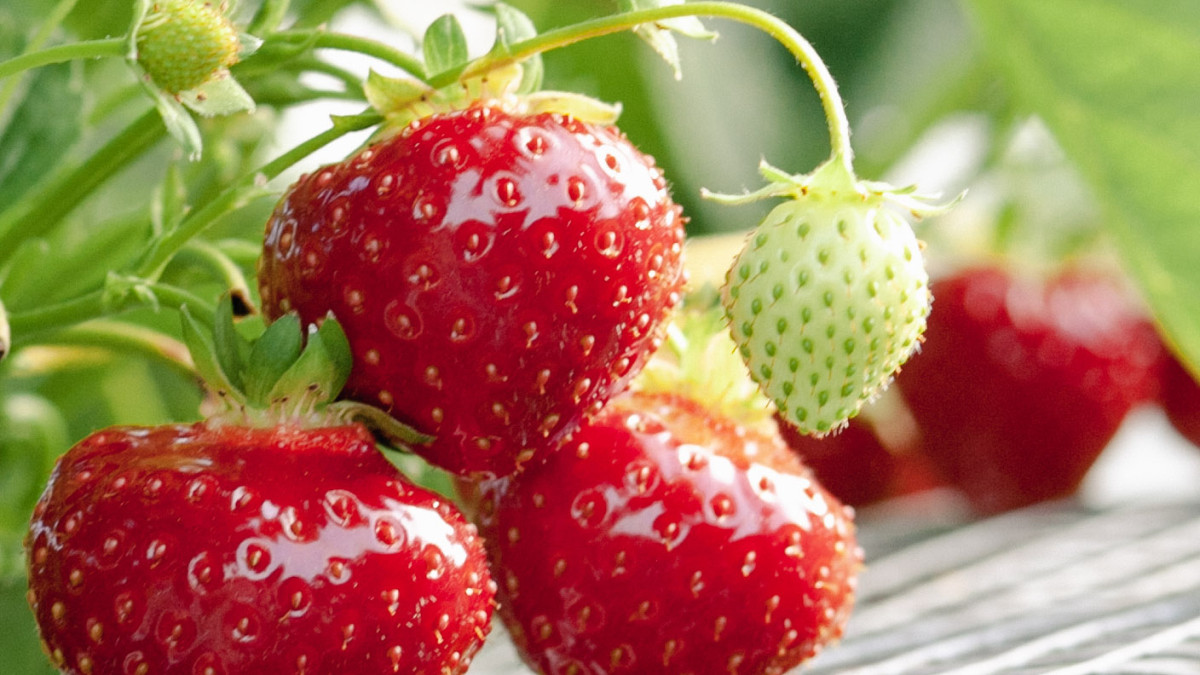
The latest NIBIO research has shown that temperature, light, and ripening time affect the sweetness, acidity, and aroma of strawberries.
Fot. Anne Linn Hykkerud, materiały prasowe NIBIO
The JordbærSmak project was conducted by the Norwegian Institute of Bioeconomy Research (NIBIO). Its goal was to determine how to preserve the taste of Norwegian strawberries amid changing production methods. Researchers analyzed consumer preferences and the impact of growing conditions on the fruit. The market survey collected over 1,000 responses from across the country.
Taste is decisive. Origin matters to buyers
Taste turned out to be the most important factor. NIBIO reports that consumers also pay attention to price, safety, Norwegian origin, and local production. This is important for the entire market. According to researcher Anne Linn Hykkerud, Norwegian strawberries are strongly associated with trust, freshness, and quality.
Origin matters a lot. Hykkerud points out that not every category of fruit and vegetables is evaluated by consumers in the same way. Strawberries remain a seasonal product. They also have strong symbolic value, connected to summer and childhood memories.
Origin matters a lot. Hykkerud points out that not every category of fruit and vegetables is evaluated by consumers in the same way. Strawberries remain a seasonal product. They also have strong symbolic value, connected to summer and childhood memories.
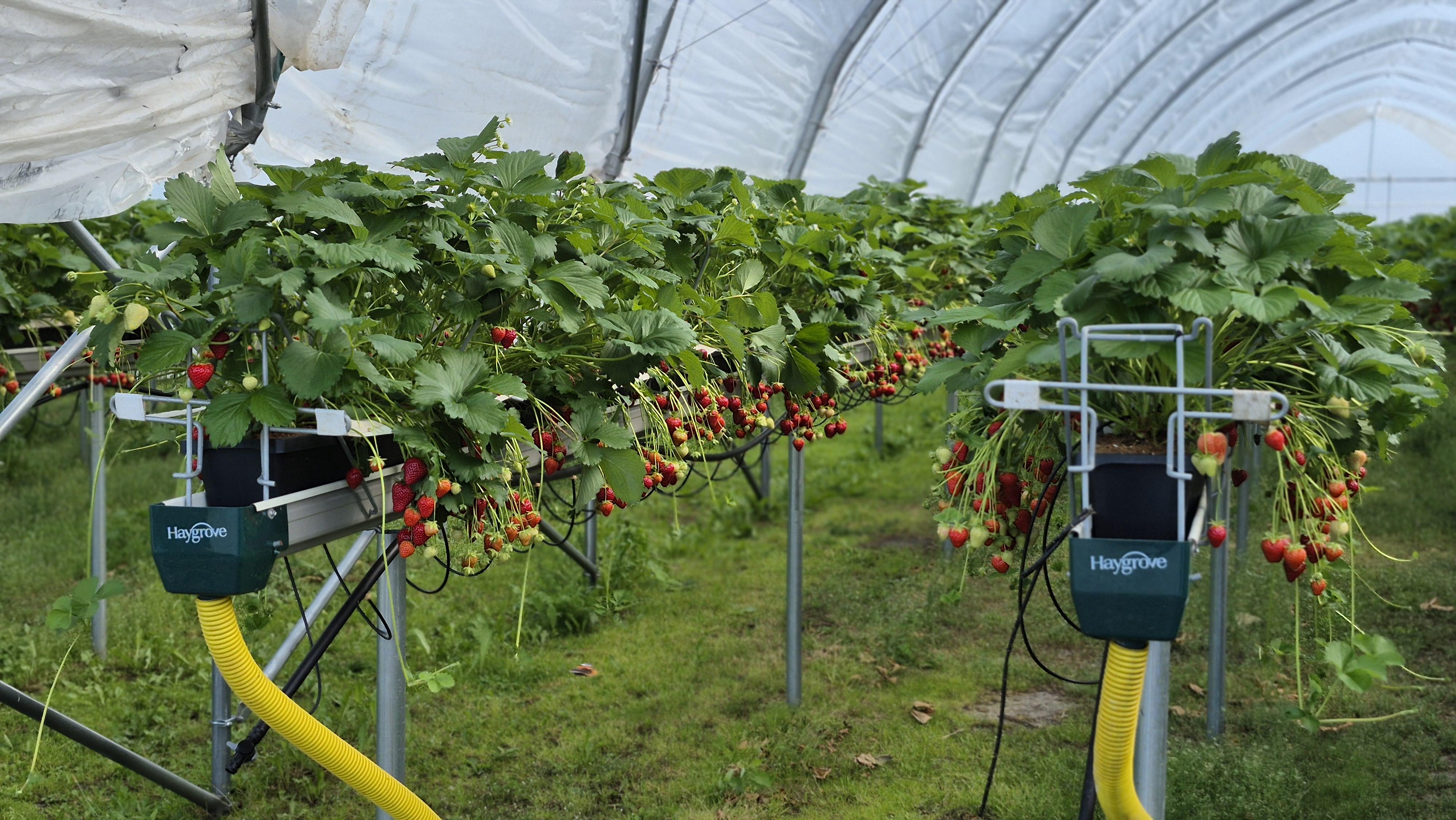
In the photo: Norwegian strawberries grown in a tunnel.Photo: Anne Linn Hykkerud, NIBIO press materials
Coolness promotes sweetness. Light enhances the aroma of Norwegian strawberries
NIBIO field studies show the impact of temperature. According to the results, temperature, light, and the stage of fruit ripening affect the sweetness, acidity, and aroma of strawberries. The ripening stage is particularly important. Trials conducted at NIBIO Tromsø showed that cooler conditions provide a better balance of sugar and acid.
A temperature of around 15 degrees favors larger fruit. Low temperatures can also periodically increase yield, while high temperatures accelerate ripening and lead to more small fruit. Light is also important. Long days increase sugar content and support the formation of aromatic compounds associated with fruity and floral scents.
A temperature of around 15 degrees favors larger fruit. Low temperatures can also periodically increase yield, while high temperatures accelerate ripening and lead to more small fruit. Light is also important. Long days increase sugar content and support the formation of aromatic compounds associated with fruity and floral scents.
NIBIO points out that the taste of strawberries also changes during the season. The highest content of aromatic compounds was found in the middle of the ripening period, and varieties with different ripening times may reach this point at different times. This means that flavorful Norwegian strawberries can reach consumers even outside the main peak of the season.
How do you rate this article?