170,000 employees may go on strike in Norway. The dispute from two years ago returns
Wage negotiations for 170,000 state employees are beginning. The parties have until April 30. Experts point to the risk of a repeat of the 2024 conflict.
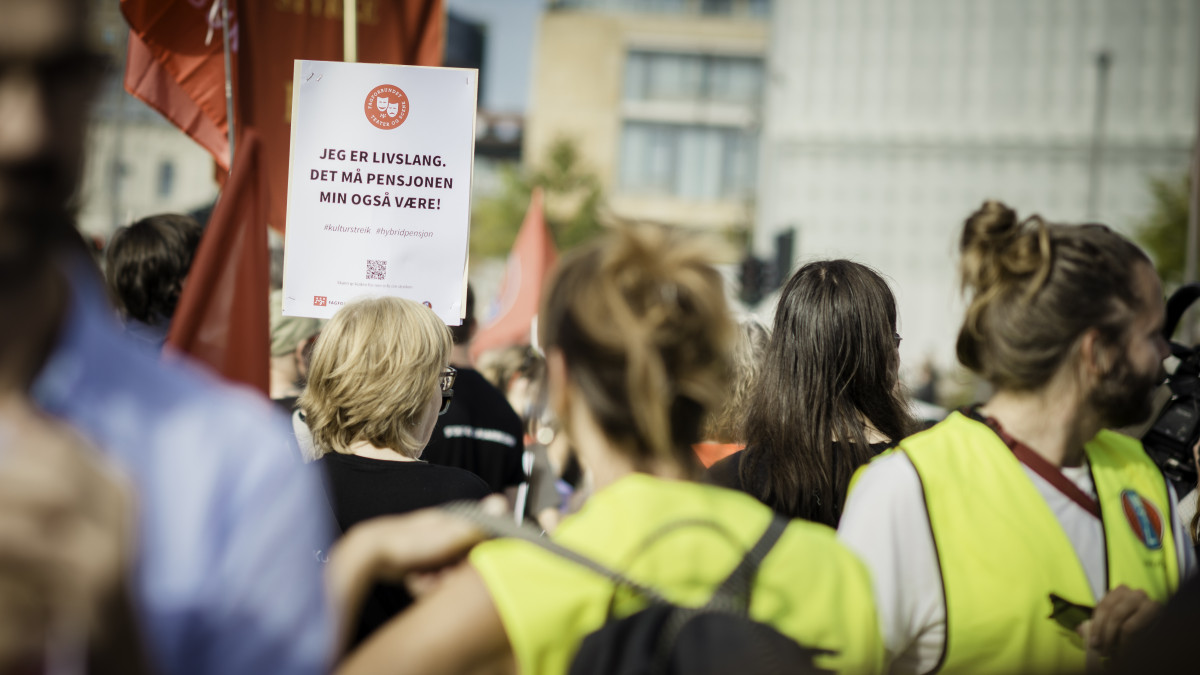
The 2024 dispute was interrupted, not resolved by an agreement.
Fot. materiały prasowe LO
On April 16, talks began between the state and four main trade union organizations. The unions taking part in the negotiations are Akademikerne stat, LO stat, YS stat, and Unio. This year's negotiations are the main round (hovedoppgjør), covering the entire collective agreement. They concern salaries and other working conditions for 170,000 employees. The deadline for concluding the talks is set for April 30. If no agreement is reached, the matter will go to the state mediator.
Dispute over the pay model
One of the main points of contention is the structure of collective agreements. The state wants to merge the two existing agreements into one. Trade unions have different positions on this matter. There are also differences regarding the distribution of raises—specifically, what portion of the salary should be determined centrally and what portion locally.
Fafo expert (Norwegian research institute) Kristine Nergård, a researcher specializing in wage negotiations, points to the divergent interests of employee organizations. Each represents different professional groups, which affects their approach to the pay system. Some advocate for a greater role for local negotiations, while others want stronger central mechanisms. These differences make it difficult to reach a compromise.
Fafo expert (Norwegian research institute) Kristine Nergård, a researcher specializing in wage negotiations, points to the divergent interests of employee organizations. Each represents different professional groups, which affects their approach to the pay system. Some advocate for a greater role for local negotiations, while others want stronger central mechanisms. These differences make it difficult to reach a compromise.
The 2024 strike lasted from 9 to 10 days.Photo: stock.adobe.com/standard license
Strike threat and lessons from 2024
Nergård does not rule out another strike. She emphasizes that problems from the previous negotiation cycle have not been resolved. Among those who went on strike were police officers, scientists, lecturers, veterinarians, and meteorologists. Intervention by Labor Minister Tonje Brenny ended part of the protests.
The unresolved conflict from 2024 concerns the rules for setting wages in the public sector. The parties did not reach an agreement on whether wages should be negotiated mainly locally or centrally. The dispute also involves whether to maintain two separate collective agreements or merge them into one. The differences stem from the interests of individual trade union organizations. Lack of agreement on these issues led to the strike and remains relevant in the 2026 negotiations.
A representative of Unio (a trade union center representing employees with higher education), Steinar Sæter, declares moderate optimism. He hopes for wage increases above the level of price growth, which would mean a real increase in pay. He notes that the details of the demands are not public. At the same time, he warns of the possibility of the dispute escalating, pointing out that a return to the scenario from two years ago increases the risk of a strike.
The unresolved conflict from 2024 concerns the rules for setting wages in the public sector. The parties did not reach an agreement on whether wages should be negotiated mainly locally or centrally. The dispute also involves whether to maintain two separate collective agreements or merge them into one. The differences stem from the interests of individual trade union organizations. Lack of agreement on these issues led to the strike and remains relevant in the 2026 negotiations.
A representative of Unio (a trade union center representing employees with higher education), Steinar Sæter, declares moderate optimism. He hopes for wage increases above the level of price growth, which would mean a real increase in pay. He notes that the details of the demands are not public. At the same time, he warns of the possibility of the dispute escalating, pointing out that a return to the scenario from two years ago increases the risk of a strike.
Before the negotiations began, the state and LO stat did not comment on their positions. The talks also concern the principles for shaping wages in the coming years. The arrangements from this stage may influence the course of future negotiations.
How do you rate this article?