Up to 30 NOK per liter of fuel? Without government action, the worst-case scenario may come true
The Norwegian parliament has rejected a proposal to halt the implementation of the new quota system for fuels. This means a new climate fee on gasoline and diesel will be introduced from 2028.
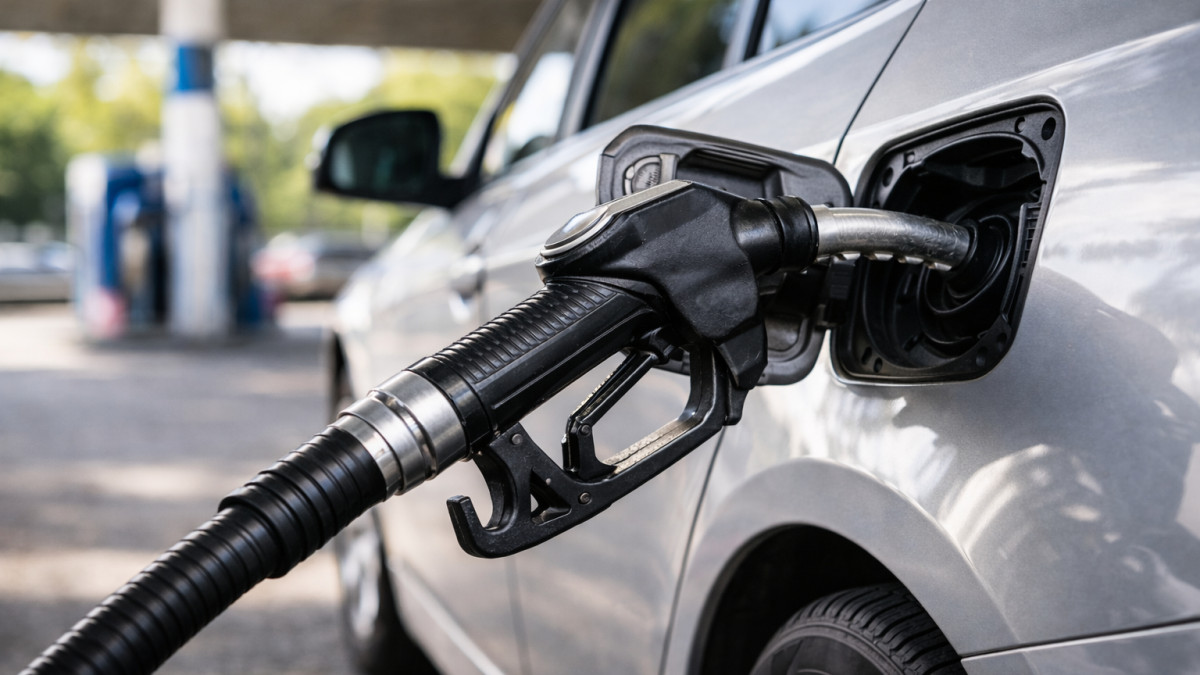
The changes are part of a long-term climate policy.
Fot. Wygenerowano przy pomocy AI
The new system, prepared by the European Union, will cover fuels sold directly to consumers. The solution is called the second European Emissions Trading System. Norway is set to join once the regulations come into force. The Norwegian Automobile Federation (NAF) warns about the consequences of these changes.
Parliament's decision and new regulations
The Norwegian parliament voted on a motion to stop the implementation of the new system. The proposal did not receive a majority. This means preparations to include fuels in the quota system will continue. The new regulations are scheduled to take effect from 2028. The implementation date had previously been postponed by a year.
The system is based on trading carbon dioxide emission allowances. Their cost will be included in fuel prices. The regulations will cover gasoline and diesel sold to individual customers. Norway already has a national CO2 emission fee. No decision has been made on whether it will be changed after the new system is introduced.
The system is based on trading carbon dioxide emission allowances. Their cost will be included in fuel prices. The regulations will cover gasoline and diesel sold to individual customers. Norway already has a national CO2 emission fee. No decision has been made on whether it will be changed after the new system is introduced.
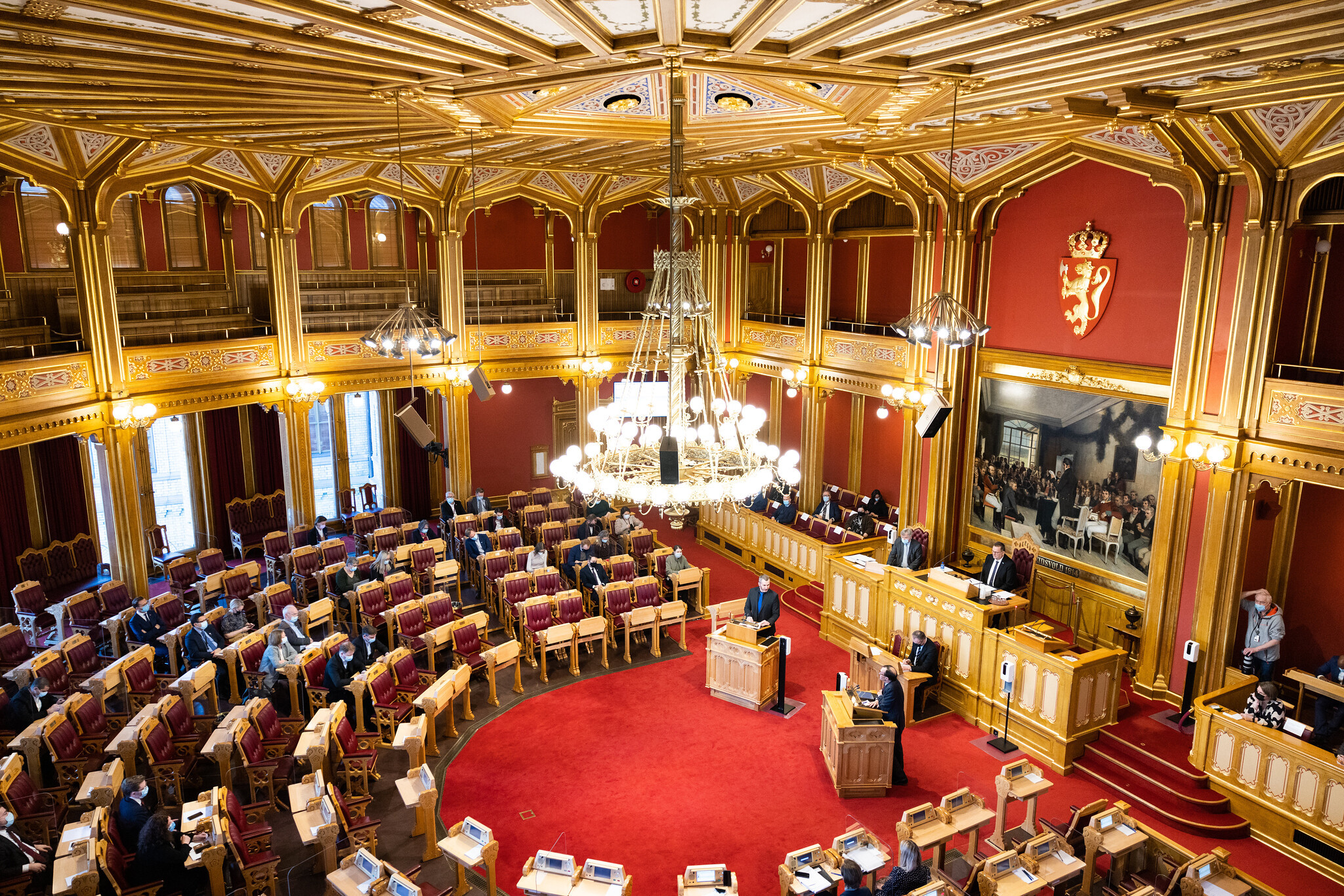
Government decisions will be crucial for final fuel prices.Photo: flickr/CC BY-NC-ND 2.0/ Peter Mydske/Stortinget
Warnings from the Norwegian Automobile Federation
NAF warns of rising fuel prices. The organization points out that drivers already pay a CO2 emission fee when purchasing gasoline and diesel. The price of allowances in the new system may be higher than the current tax rate. In the worst case, this means additional costs for consumers. However, there are no clear declarations from the government.
The government estimates that fuel prices could rise by 1.5 to 7.5 NOK per liter. It has not been specified whether the current CO2 fee will be reduced to avoid double taxation. According to the organization, the lack of decisions increases uncertainty among drivers. In an extreme scenario, fuel prices at stations could approach 30 NOK per liter. Such warnings have been present in the public debate for some time.
The government estimates that fuel prices could rise by 1.5 to 7.5 NOK per liter. It has not been specified whether the current CO2 fee will be reduced to avoid double taxation. According to the organization, the lack of decisions increases uncertainty among drivers. In an extreme scenario, fuel prices at stations could approach 30 NOK per liter. Such warnings have been present in the public debate for some time.
Currently, the CO2 emission fee for diesel and gasoline is 3.79 and 3.25 NOK per liter, respectively. The future of these rates remains unclear. The government has not presented solutions regarding the link between national taxes and the European quota system. Decisions in this regard will have a direct impact on the cost of individual transport in Norway.
How do you rate this article?