The pandemic has changed shopping habits in Norway. This is what the average shopping basket looks like
Norwegians are buying less meat, fish, bread, and potatoes than before the pandemic. At the same time, their baskets contain more fruit, vegetables, cheese, and sugar-free drinks. This is according to new data from the Central Statistical Bureau (SSB) for the years 2019-2025.
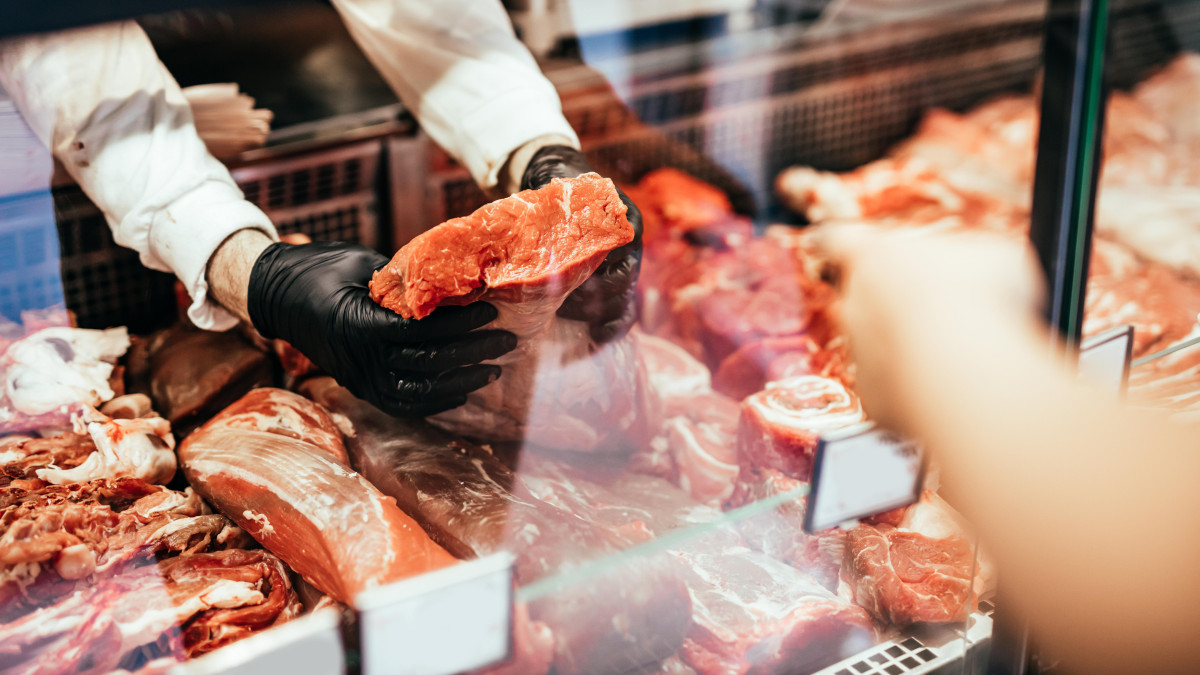
The biggest changes concern the meat and fish being purchased.
stock.adobe.com/licencja standardowa
The statistics cover food and beverages purchased in grocery stores. The data shows purchases per person per year, but does not reveal actual consumption. Norwegians bought the largest amounts of food and drinks during the pandemic years: 2020 and 2021.
New SSB data shows how Norwegians’ shopping baskets have changed
The total amount of food and beverages purchased per person increased between 2019 and 2025. The main reason was a significant rise in purchases of non-alcoholic beverages. In most other product groups, there was a decrease or only a slight change. SSB indicates that the level of purchases in 2025 largely returned to pre-pandemic levels.
In 2025, Norwegians bought on average over 103 liters of non-alcoholic beverages per person. That’s about 20 liters more than in 2019. The biggest increase was in sugar-free carbonated drinks, which rose by 14 liters per person. In 2025, people bought more than twice as many sugar-free sodas as regular sodas.
In 2025, Norwegians bought on average over 103 liters of non-alcoholic beverages per person. That’s about 20 liters more than in 2019. The biggest increase was in sugar-free carbonated drinks, which rose by 14 liters per person. In 2025, people bought more than twice as many sugar-free sodas as regular sodas.
Shopping choices in Norway have clearly changed over the past six years.Photo: Adobe Stock, standard license
Norwegians are cutting back on meat and fish, but buying more fruit and vegetables
Purchases of meat and meat products have decreased. In 2025, they averaged 40 kg per person, nearly 3 kg less than in 2019. Purchases of fish and seafood were below 10 kg per person, a drop of over 1 kg. The structure of meat purchases also changed. Red meat purchases averaged 11 kg per person, almost 2.5 kg less than in 2019. White meat purchases were 7.9 kg, a slight increase compared to 2019.
In 2025, Norwegians bought over 39 kg of bread per person, about 4 kg less than in 2019. The biggest drop was in whole grain bread, while purchases of white bread remained relatively stable. Purchases of fresh potatoes also declined. Purchases of fruit and vegetables increased. In 2025, they totaled over 75 kg of fresh and frozen products per person, 0.4 kg more than in 2019. The increase was mainly in fruit.
In 2025, Norwegians bought over 39 kg of bread per person, about 4 kg less than in 2019. The biggest drop was in whole grain bread, while purchases of white bread remained relatively stable. Purchases of fresh potatoes also declined. Purchases of fruit and vegetables increased. In 2025, they totaled over 75 kg of fresh and frozen products per person, 0.4 kg more than in 2019. The increase was mainly in fruit.
SSB data also includes the nutritional content of purchased food. In 2025, carbohydrates accounted for the largest share of energy, at nearly 43 percent. Fats were second, at about 40 percent. Protein accounted for over 14 percent of energy.
How do you rate this article?