Speed Limit in Norwegian Cities: A Revolution in Regulations Is Coming
New regulations regarding road signage may introduce more 30 km/h zones in Norwegian cities. The Norwegian Automobile Federation (NAF) believes that this change will increase pedestrian safety, especially for children walking to school. The organization emphasizes that urban traffic has become more complex and requires clear rules.

In cities, 30 km/h is set to become the default speed.
Fot. Adobe Stock, licencja standardowa (zdjęcie poglądowe)
With the new regulations coming into force, 30 km/h is set to become the default speed in built-up areas. Higher limits will only be allowed where conditions permit.
According to NAF, this will simplify the process of designating restriction zones and better address current traffic challenges. Organization spokesperson Jan Harry Svendsen points out that cities have gained new groups of road users, including people on scooters. Therefore, more precise criteria for speed limits are needed.
According to NAF, this will simplify the process of designating restriction zones and better address current traffic challenges. Organization spokesperson Jan Harry Svendsen points out that cities have gained new groups of road users, including people on scooters. Therefore, more precise criteria for speed limits are needed.
30 km/h Near Schools
The changes are particularly important for areas around schools. NAF points out that the new rules will make it easier to designate these places as 30 km/h zones. According to Svendsen, this is where the greatest mix of pedestrian and vehicle traffic occurs.
The organization emphasizes that lower limits in these locations reduce the risk of accidents. More 30 km/h zones may appear on stretches where traffic is already heavy and slower.
The organization emphasizes that lower limits in these locations reduce the risk of accidents. More 30 km/h zones may appear on stretches where traffic is already heavy and slower.
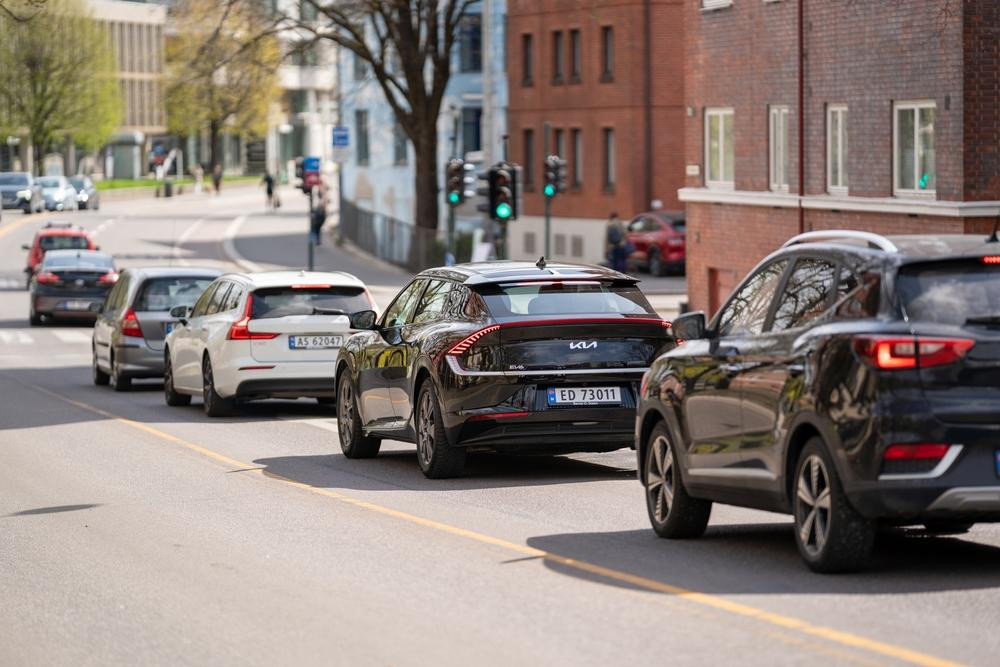
The new rules mainly concern built-up areas.Photo: Shutterstock, via: OFV
No Change to the Road Traffic Act
The proposed regulations do not change the Road Traffic Act. The general speed limit in built-up areas therefore remains at 50 km/h, unless signs indicate otherwise. NAF emphasizes that not all city streets will automatically receive lower limits.
The changes are mainly intended for roads with heavy traffic and high pedestrian density. The new road signage regulations also indicate which urban routes can be considered outside built-up areas – for example, main roads with speeds above 50 km/h.
The changes are mainly intended for roads with heavy traffic and high pedestrian density. The new road signage regulations also indicate which urban routes can be considered outside built-up areas – for example, main roads with speeds above 50 km/h.
The implementation of the new rules will depend on the assessment of local conditions and common sense when setting limits. NAF hopes that clear criteria will help decision-makers properly mark streets, while also preventing unjustified speed reductions. As a result, the changes could have a real impact on safety without excessive interference in traffic organization.
How do you rate this article?