Shocking data from Norway. Housing is hard to find, yet hundreds of thousands of homes stand empty
Around 202,000 homes in Norway are vacant and could theoretically be reused. This comes from a new study commissioned by the Norwegian Housing Bank, Husbanken.
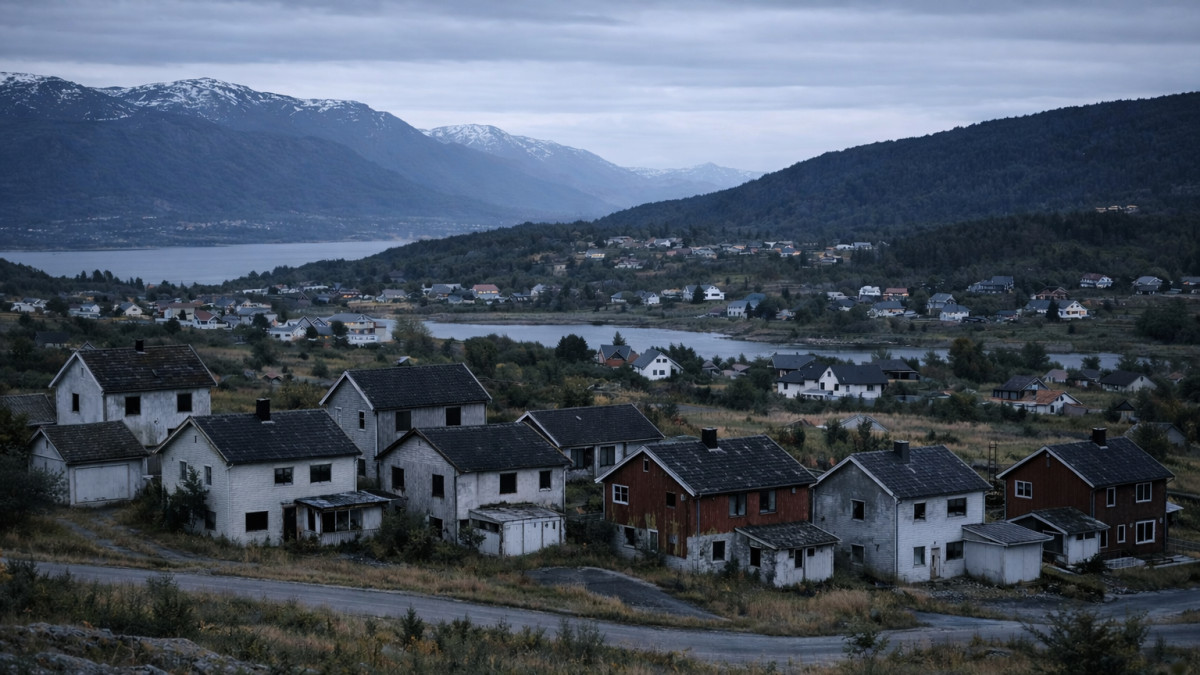
New developments may be built despite available, unused properties.
Fot. Wygenerowano przy pomocy AI
The data was compiled by Samfunnsøkonomisk Analyse and Norkart in cooperation with Norstat. The analysis covers the scale and reasons for the underutilization of housing resources. A new method and broader data sources were used. According to Husbanken, this provides a more accurate picture than previous estimates.
The scale of the phenomenon is greater than assumed
The study indicates that the number of empty homes is higher than previously thought. This is not due to a sudden increase in such properties. The key factor is better data quality. The counting method was also changed. The result is a more realistic outcome.
According to the authors, knowledge about empty homes shows where unused resources are located. It also enables analysis of the reasons for their non-use. The data indicate what barriers make it difficult to bring these properties back to the market. This information is important for housing policy planning, emphasizes Hans Christian Sandlie, director at Husbanken.
According to the authors, knowledge about empty homes shows where unused resources are located. It also enables analysis of the reasons for their non-use. The data indicate what barriers make it difficult to bring these properties back to the market. This information is important for housing policy planning, emphasizes Hans Christian Sandlie, director at Husbanken.
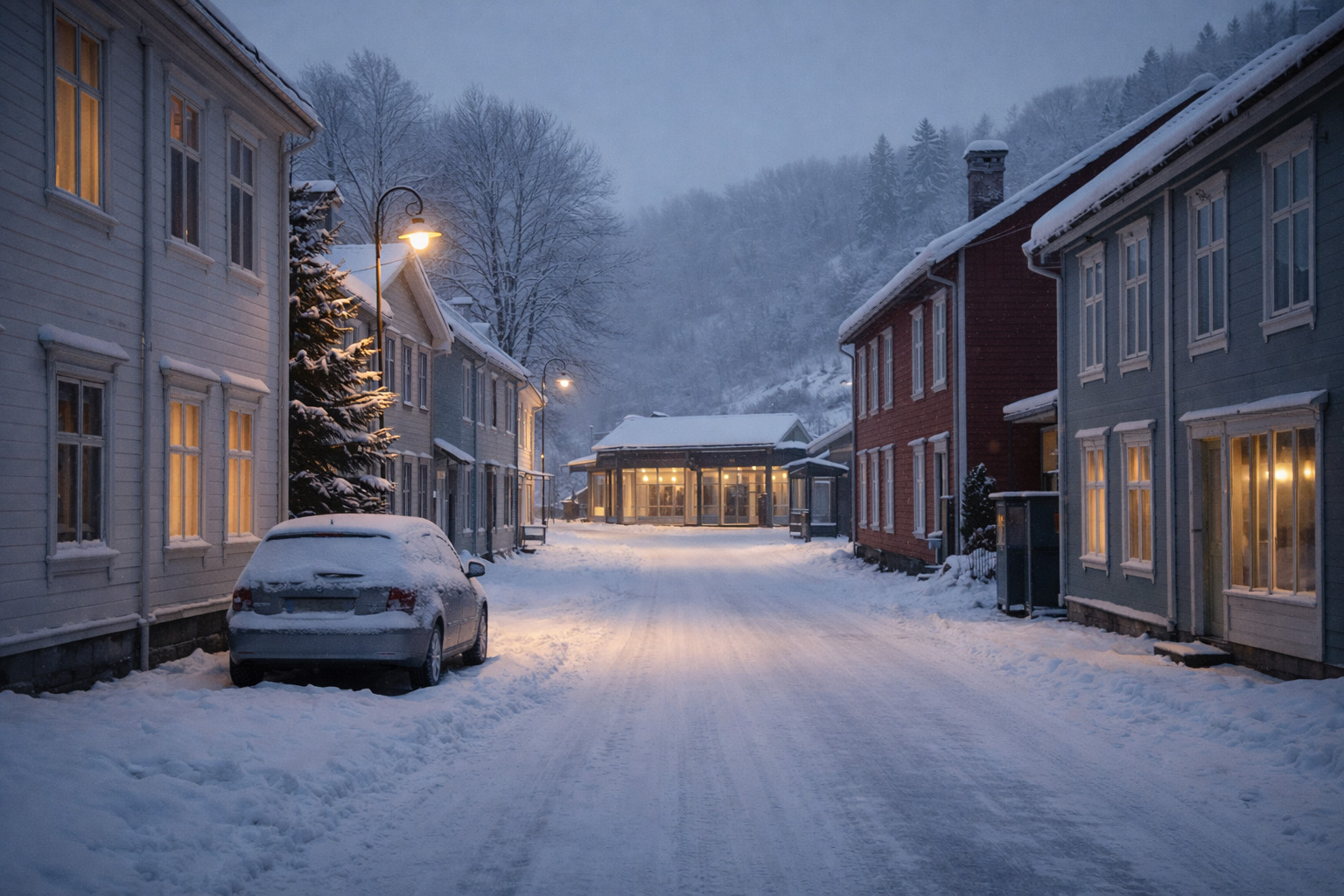
This number is higher than in previous official estimates.Photo generated with AI
Dominance of peripheral areas
Most empty homes are located outside major urban centers. These are mainly less urbanized areas. About 123,000 properties have been uninhabited for a long time. Often, these are older buildings. They are located far from services and workplaces.
Many of these homes are privately owned. A significant portion are inherited properties, often with multiple owners. The study also shows that municipal housing rarely remains empty for long. If it does, the reason is renovation, reconstruction, or a mismatch with users’ needs.
Many of these homes are privately owned. A significant portion are inherited properties, often with multiple owners. The study also shows that municipal housing rarely remains empty for long. If it does, the reason is renovation, reconstruction, or a mismatch with users’ needs.
Estimates that change planning
The analysis also points to the existence of around 226,000 holiday homes in urban areas, which create an additional housing reserve. “Without this knowledge, housing policy becomes less precise, municipal planning becomes more difficult, and the risk of building new homes increases while existing ones remain unused,” notes Sandlie.
Husbanken plans to use the results in dialogue with the Ministry of Local Government and Regional Development. The data will also support advice for municipalities. It is emphasized that these are still estimates, not a complete list, and not all properties are suitable for immediate use.
Husbanken plans to use the results in dialogue with the Ministry of Local Government and Regional Development. The data will also support advice for municipalities. It is emphasized that these are still estimates, not a complete list, and not all properties are suitable for immediate use.
How do you rate this article?