Returning to Poland Without Secrets. The Government Reveals Numbers, Benefits, and Support Mechanisms
Poles living in Norway are increasingly considering returning to their homeland. Responses from state institutions clarify key issues: education, the labor market, taxes, and citizenship.

One of the strategy's goals is to utilize professional experience gained abroad.
Fot. Adobe Stock, licencja standardowa (zdjęcie poglądowe)
A special document was provided to us by Margaret Dąbrowska. It covers practical aspects of returning to Poland. “In February, during a meeting with the Minister of Foreign Affairs, Radosław Sikorski, I had the opportunity to present questions about returning to Poland that had previously been submitted by Poles living in Norway,” Margaret Dąbrowska told our editorial team.
Diplomats from Oslo were involved in preparing the document. “I received answers prepared by the Ministry of Foreign Affairs, in cooperation with the Embassy of the Republic of Poland in Oslo. The document is an organized and practical collection of information which, I believe, can be helpful for those considering returning to the country,” added Margaret Dąbrowska.
Diplomats from Oslo were involved in preparing the document. “I received answers prepared by the Ministry of Foreign Affairs, in cooperation with the Embassy of the Republic of Poland in Oslo. The document is an organized and practical collection of information which, I believe, can be helpful for those considering returning to the country,” added Margaret Dąbrowska.
Support for Families and Children Returning to Poland
The state is developing a support system for students returning from emigration. These activities are part of the cooperation strategy with the Polish diaspora for 2025–2030. The goal is to equalize educational opportunities. Social adaptation is also important. Special attention is given to children from countries such as Norway. Students can benefit from free language support. Schools offer additional Polish language lessons.
Preparatory classes are created for students returning to Poland. The program includes intensive language learning and gradual integration into the system. Remedial classes in other subjects are also possible. Support also includes psychological assistance. Schools provide access to counselors and psychologists. Integration activities are organized. Students can benefit from individualized learning paths, especially in cases of adaptation difficulties.
The system provides for the recognition of foreign certificates. This applies to documents from the EU, EEA, and OECD. IB and EB diplomas are also recognized. Families can use social programs. "Family 800 Plus" provides financial support per child. "Active Parent" supports the professional activity of guardians. The "Good Start" program offers a one-time school benefit. Local forms of assistance are also available.
Preparatory classes are created for students returning to Poland. The program includes intensive language learning and gradual integration into the system. Remedial classes in other subjects are also possible. Support also includes psychological assistance. Schools provide access to counselors and psychologists. Integration activities are organized. Students can benefit from individualized learning paths, especially in cases of adaptation difficulties.
The system provides for the recognition of foreign certificates. This applies to documents from the EU, EEA, and OECD. IB and EB diplomas are also recognized. Families can use social programs. "Family 800 Plus" provides financial support per child. "Active Parent" supports the professional activity of guardians. The "Good Start" program offers a one-time school benefit. Local forms of assistance are also available.
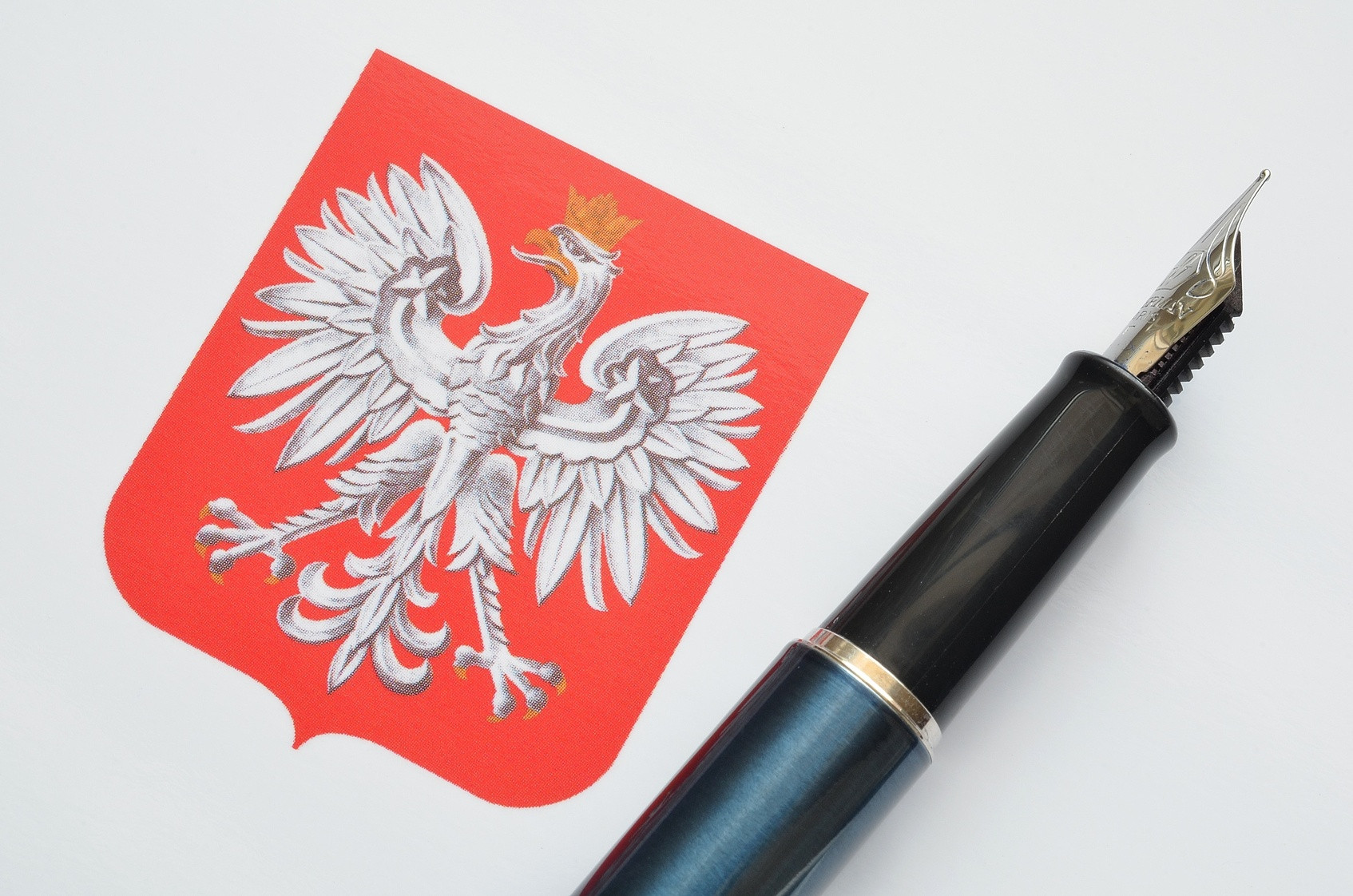
Poland is trying to harness the potential of citizens and their families living abroad.Photo: Fotolia
Labor Market and Taxes. What They Look Like After Returning to Poland
Returnees can use the Powroty.gov.pl portal. The website contains information about jobs, taxes, and formalities. It allows you to prepare for your return even before arriving. It also covers starting a business and housing opportunities.
A return relief is available for migrants. It applies to those returning after at least three years abroad. The tax exemption covers income up to 85,528 PLN per year. The preference includes, among others, income from work and business activity. The conditions are specified by PIT regulations.
The labor market offers broad institutional support. Assistance is provided by labor offices and career centers. EURES programs are in operation. Training, internships, and grants are available. Funding for starting a business is possible. The authorities also remind that qualifications obtained abroad may be recognized in Poland. This applies to regulated professions. In many cases, recognition is automatic, including for doctors and nurses.
Polish diplomats also remind that the social security system takes into account periods of work abroad. This applies to EEA countries, including Norway. Contribution periods can be combined, which is important when determining pension amounts.
A return relief is available for migrants. It applies to those returning after at least three years abroad. The tax exemption covers income up to 85,528 PLN per year. The preference includes, among others, income from work and business activity. The conditions are specified by PIT regulations.
The labor market offers broad institutional support. Assistance is provided by labor offices and career centers. EURES programs are in operation. Training, internships, and grants are available. Funding for starting a business is possible. The authorities also remind that qualifications obtained abroad may be recognized in Poland. This applies to regulated professions. In many cases, recognition is automatic, including for doctors and nurses.
Polish diplomats also remind that the social security system takes into account periods of work abroad. This applies to EEA countries, including Norway. Contribution periods can be combined, which is important when determining pension amounts.
Formalities, Housing, and Institutional Support. Polish Local Government Also Works
Returnees can apply for housing support. This includes the municipal housing system, which is decided by local authorities. Detailed information can be found at the municipal office where you plan to settle after your return. In many cases, competitions are organized, and the allocation of housing depends, among other things, on income per family member.
Citizenship procedures remain a separate path. Citizenship is granted by decision of the President of Poland. The process has no statutory deadlines. Applications are submitted to the Chancellery of the President, and the waiting time is usually up to 2 years. This is important information for those whose relatives do not hold Polish citizenship with them.
There are educational and scholarship offers for young people. NAWA programs support studies in Poland and include preparatory courses and scholarships. Internships and traineeships are also being developed.
Citizenship procedures remain a separate path. Citizenship is granted by decision of the President of Poland. The process has no statutory deadlines. Applications are submitted to the Chancellery of the President, and the waiting time is usually up to 2 years. This is important information for those whose relatives do not hold Polish citizenship with them.
There are educational and scholarship offers for young people. NAWA programs support studies in Poland and include preparatory courses and scholarships. Internships and traineeships are also being developed.
Changes to university admissions are planned for 2026. They aim to increase accessibility for young people from abroad. At the same time, language programs and support for scientists of Polish origin are being developed. The authorities emphasize the importance of experience gained abroad. It is expected to support the development of the economy and the education system in Poland.
How do you rate this article?