Norway Only for the Rich? Inequality at Its Worst Since World War I
New data on Norwegian wealth reported in tax returns show a record concentration of riches. The fortunes of the wealthiest have grown so rapidly that, according to historian Ola Innset, inequality in the country has reached levels not seen since the introduction of universal suffrage.

Inequality can affect social and political stability.
Fot. Adobe Stock, licencja standardowa (zdjęcie poglądowe)
The first summaries from the 2024 tax lists confirm that the richest have once again increased their assets. Today, only half of Norway's residents have any taxable wealth at all, and the total sum has doubled over the past decade. This is much more than the inflation rate for the same period, which was 36 percent.
Historian Ola Innset emphasized in E24 that a similar level of inequality was last recorded before 1919. That was when people receiving social assistance gained the right to vote for the first time.
Historian Ola Innset emphasized in E24 that a similar level of inequality was last recorded before 1919. That was when people receiving social assistance gained the right to vote for the first time.
The Effect of Changes in Share Valuation
Experts point out that changes in the rules for valuing shares for tax purposes have also affected the statistics. In 2022, the government reduced the percentage discount from 45 to 25 percent, which automatically increased the taxable value of equity holdings.
Harald Hauge from the Wikborg Rein law firm explains that this led to a sharp increase in the values reported in tax returns. Although 2022 saw an unnatural spike, the overall increase in wealth since 2014 still reaches 87 percent. The data thus show a lasting and strong upward trend.
Harald Hauge from the Wikborg Rein law firm explains that this led to a sharp increase in the values reported in tax returns. Although 2022 saw an unnatural spike, the overall increase in wealth since 2014 still reaches 87 percent. The data thus show a lasting and strong upward trend.
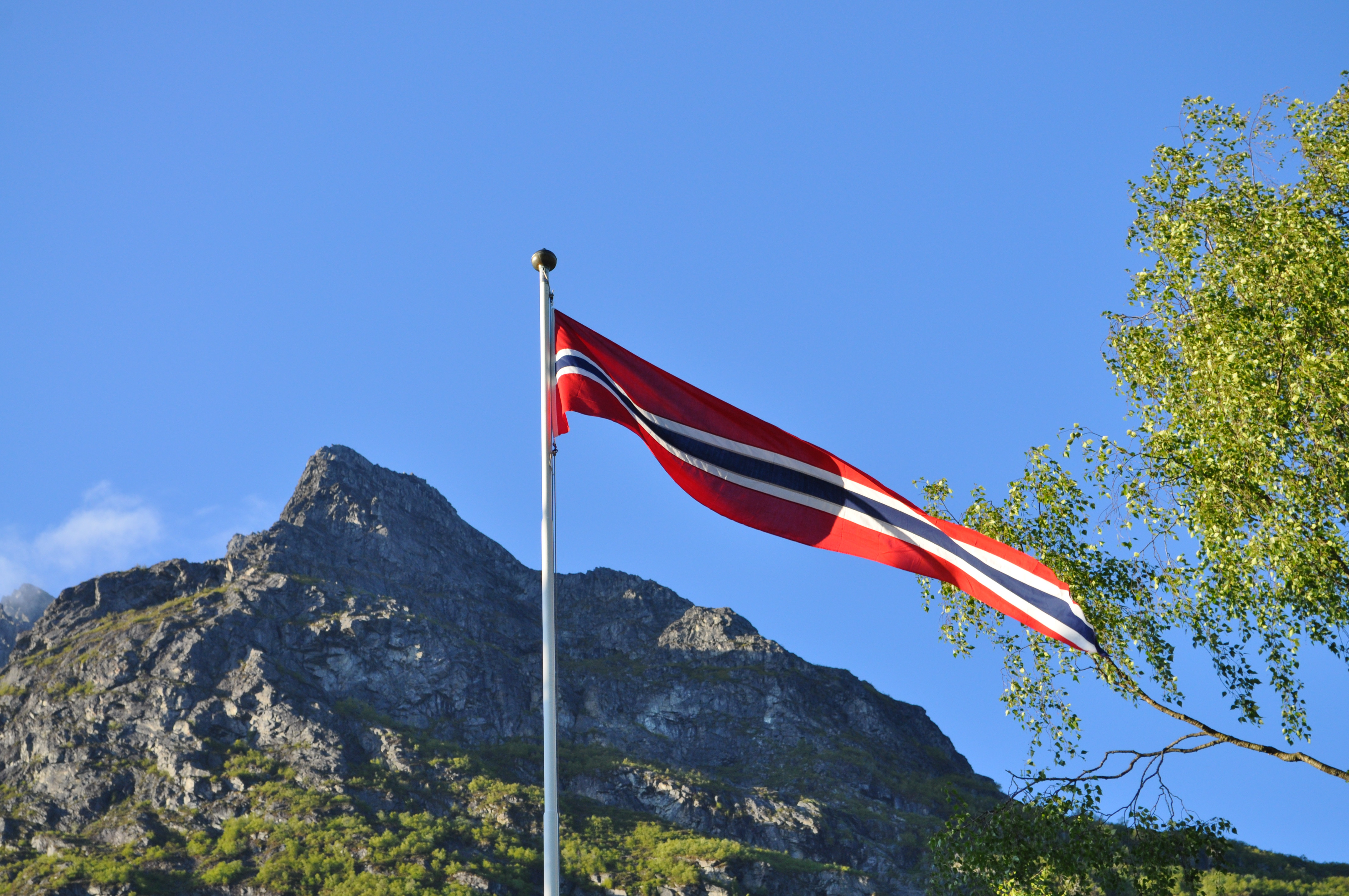
Historians see similarities between the present day and the Norwegian economy before World War I.Photo: Daniel Flathagen/flickr.com
Historical Background of Growing Inequality
Researchers from the Central Statistics Bureau (SSB) remind us that the increase in wealth inequality has been ongoing since the 1970s. Rolf Aaberge points out that despite overall prosperity growth, the gap between the richest and the rest of the population is once again approaching pre–World War I levels.
For people without previous savings, it is becoming increasingly difficult to build capital, as a significant portion of their budget is consumed by living costs. Aaberge emphasizes that halting this trend would require a radical change in economic policy. He also notes that current mechanisms favor further growth in inequality.
For people without previous savings, it is becoming increasingly difficult to build capital, as a significant portion of their budget is consumed by living costs. Aaberge emphasizes that halting this trend would require a radical change in economic policy. He also notes that current mechanisms favor further growth in inequality.
Consequences for Society and Politics
The discussion about wealth also has a clear political dimension. Innset points out that the concentration of capital affects the balance of power in society, as money translates into real influence.
The historian cites the example of the United States, where the largest fortunes can significantly impact the political process by financing election campaigns. In his opinion, a similar trend could threaten social cohesion in Norway. Aaberge adds that further strengthening the position of a small group will have consequences for the entire economy.
The historian cites the example of the United States, where the largest fortunes can significantly impact the political process by financing election campaigns. In his opinion, a similar trend could threaten social cohesion in Norway. Aaberge adds that further strengthening the position of a small group will have consequences for the entire economy.

Changes in share valuation rules led to a sharp increase in wealth in 2022.Photo: stock.adobe.com/standard license
New Challenges for Economic Policy
The debate over the future shape of economic policy is likely to intensify. Increasingly visible wealth disparities are forcing policymakers to seek new measures that could affect the structure of owned resources.
Both tax tools and the role of the state in shaping economic balance remain in focus. As more data emerges, the question of whether current mechanisms can halt the long-term rise in inequality becomes increasingly important.
Both tax tools and the role of the state in shaping economic balance remain in focus. As more data emerges, the question of whether current mechanisms can halt the long-term rise in inequality becomes increasingly important.
How do you rate this article?