
NOK may weaken further this year. Experts point to a number of issues
The DNB Carnegie brokerage forecasts a weakening of the Norwegian krone in the second half of the year. Analysts point to a possible decline in energy prices and lower demand for NOK from oil companies. According to the brokerage, Norges Bank will keep interest rates unchanged at the upcoming meeting.
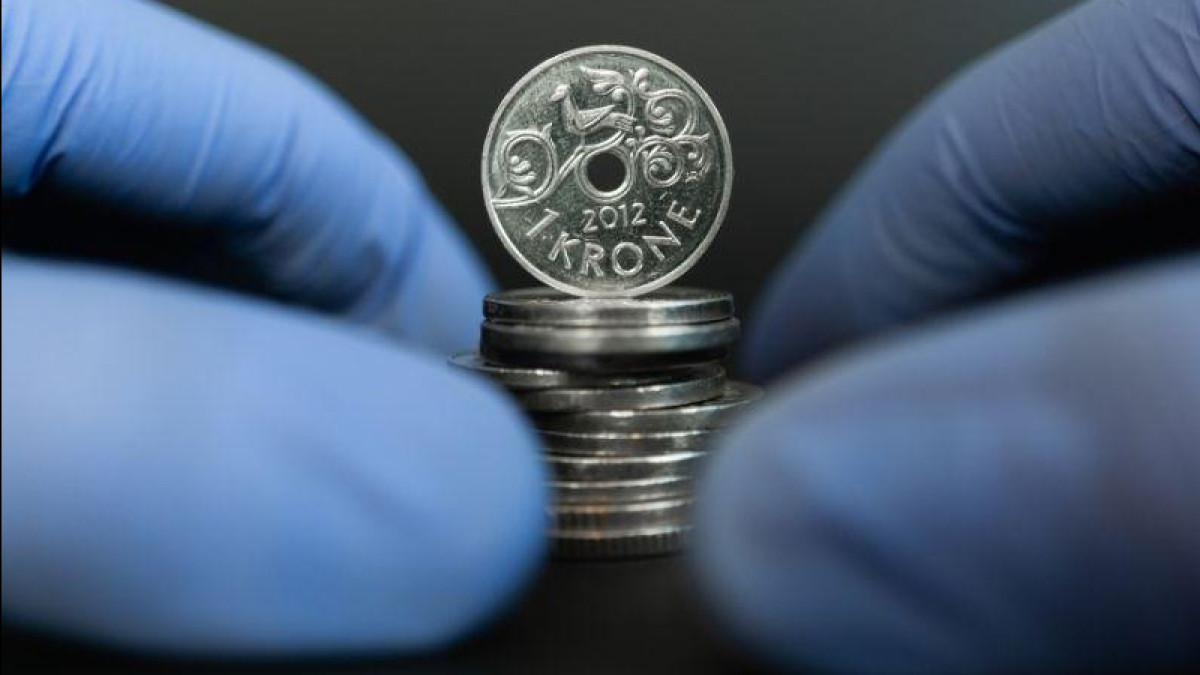
DNB Carnegie believes that some investors have been automatically buying NOK, following the currency's upward trend.
Fot. Adobe Stock, licencja standardowa
The Norwegian currency has strengthened in recent months due to the conflict in the Middle East and high oil prices. However, DNB Carnegie believes that this trend may reverse in the coming months. The bank's macroeconomists have presented new forecasts for the NOK exchange rate, inflation, interest rates, and the housing market. The report also includes expectations regarding the policies of the Fed and the European Central Bank.
DNB Carnegie expects a weaker NOK
According to chief economist Kjersti Haugland, the current strengthening of the NOK is mainly due to high oil prices and increased demand for the Norwegian currency. This includes NOK purchases by oil companies paying taxes to the state. An additional factor is the activity of funds and algorithmic trading. They assess that this effect may weaken in the second half of the year.
DNB Carnegie assumes that the situation in the Middle East will gradually stabilize. In such a scenario, energy prices would fall. This could weaken demand for NOK. According to forecasts, in a year the dollar is expected to cost around 9.66 NOK, and the euro around 11.30 NOK. Currently, the dollar is trading at about 9.25 NOK, and the euro at about 10.8 NOK.
Economists also point to the growing savings of Norwegian households. An increasing share of these funds is going to foreign stock markets. According to DNB Carnegie, this creates long-term pressure for a weaker NOK. They also believe that within a year, the market will start to expect renewed interest rate cuts in Norway.
DNB Carnegie assumes that the situation in the Middle East will gradually stabilize. In such a scenario, energy prices would fall. This could weaken demand for NOK. According to forecasts, in a year the dollar is expected to cost around 9.66 NOK, and the euro around 11.30 NOK. Currently, the dollar is trading at about 9.25 NOK, and the euro at about 10.8 NOK.
Economists also point to the growing savings of Norwegian households. An increasing share of these funds is going to foreign stock markets. According to DNB Carnegie, this creates long-term pressure for a weaker NOK. They also believe that within a year, the market will start to expect renewed interest rate cuts in Norway.
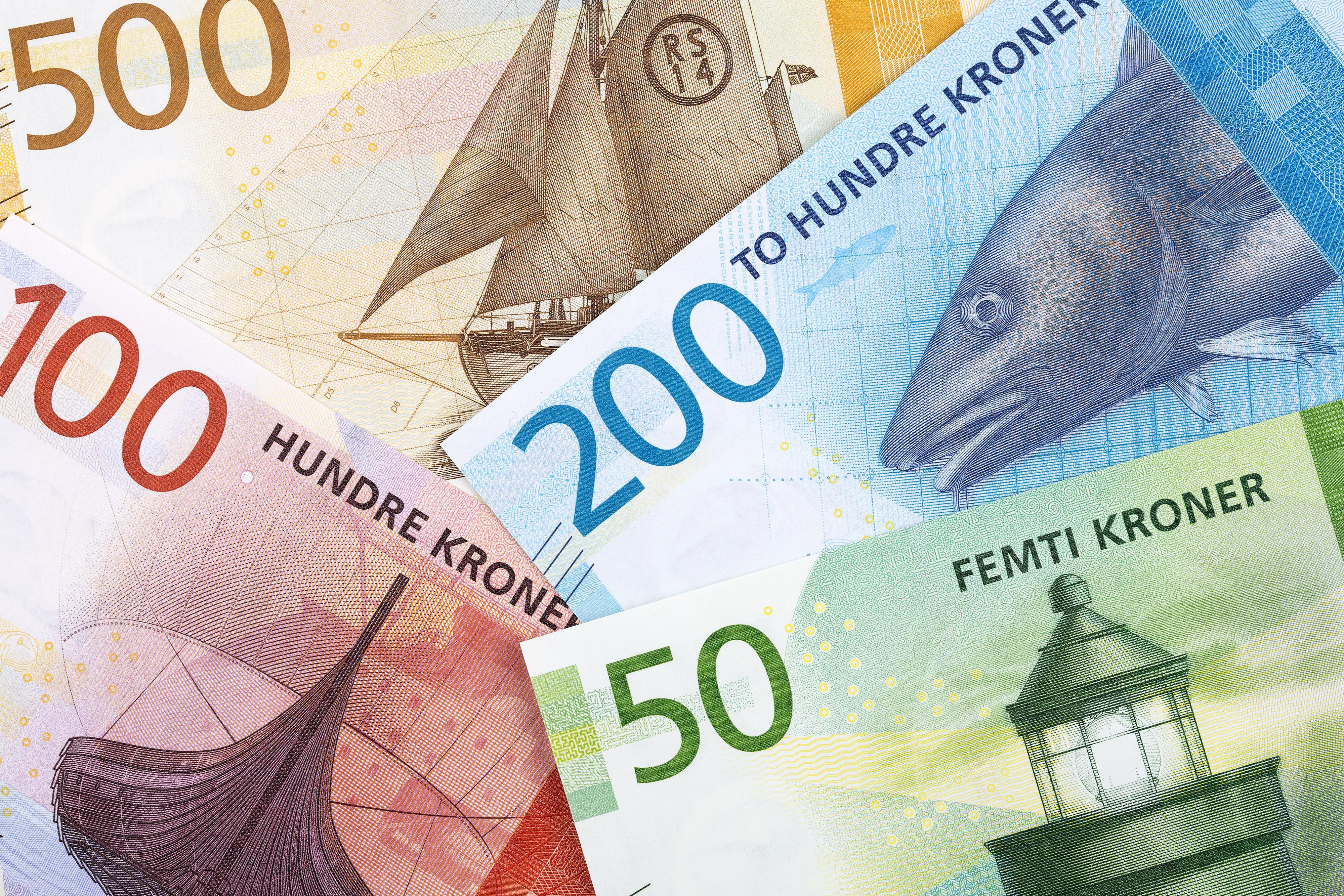
Economists point out that a stronger NOK may accelerate the decline in inflation.Photo: Adobe Stock, standard license
Interest rates and the economy under inflationary pressure
On May 7, a meeting of Norges Bank will take place. DNB Carnegie expects the main interest rate to be maintained at 4 percent. At the same time, analysts predict two more hikes this year. The first is expected in June and the second in September.
The brokerage also forecasts a return to rate cuts in 2027. According to the report, reductions could occur in September and December 2027. Economists point to a gradual decline in core inflation. It is expected to reach 3.1 percent in 2026, 2.8 percent in 2027, and 2.5 percent in 2028. Wage growth in Norway is expected to remain at around 4.6 percent.
DNB Carnegie has also lowered its growth forecasts for Norway's non-oil economy. They expect GDP growth of 1.5 percent in 2026 and 1.4 percent in both 2027 and 2028. According to economists, higher interest rates and a stronger NOK will impact the economy. At the same time, expansionary fiscal policy and pressure for higher public spending may limit the scope for future rate cuts.
The brokerage also forecasts a return to rate cuts in 2027. According to the report, reductions could occur in September and December 2027. Economists point to a gradual decline in core inflation. It is expected to reach 3.1 percent in 2026, 2.8 percent in 2027, and 2.5 percent in 2028. Wage growth in Norway is expected to remain at around 4.6 percent.
DNB Carnegie has also lowered its growth forecasts for Norway's non-oil economy. They expect GDP growth of 1.5 percent in 2026 and 1.4 percent in both 2027 and 2028. According to economists, higher interest rates and a stronger NOK will impact the economy. At the same time, expansionary fiscal policy and pressure for higher public spending may limit the scope for future rate cuts.
DNB Carnegie on the real estate market and Fed policy
DNB Carnegie also expects moderate growth in housing prices. The real estate market is expected to grow by 3 percent in 2026 and by 4 percent in 2027. In 2028, the pace of price growth is expected to accelerate to 6 percent. Economists point to stable employment, high wages, and a low supply of new homes. At the same time, higher interest rates and increased housing supply are expected to limit price growth in the short term.
The report also includes forecasts for the global economy. DNB Carnegie believes that the Fed (the US central bank) will keep interest rates unchanged in the 3.50–3.75 percent range. They note inflationary pressure related to the energy market and investments in AI. According to economists, a strong investment cycle may further increase demand in the economy and make it more difficult to cut interest rates in the US in the coming years.
The report also includes forecasts for the global economy. DNB Carnegie believes that the Fed (the US central bank) will keep interest rates unchanged in the 3.50–3.75 percent range. They note inflationary pressure related to the energy market and investments in AI. According to economists, a strong investment cycle may further increase demand in the economy and make it more difficult to cut interest rates in the US in the coming years.
More and more Norwegians' savings are going to foreign stock markets.Photo: Pxhere
In the eurozone, DNB Carnegie expects two rate hikes to 2.5 percent in June and September. However, they note that further ECB decisions will depend on the development of the energy situation and the pace of economic growth. In the case of weaker economic conditions or a short-term energy shock, the ECB may limit itself to one hike or leave rates unchanged.
How do you rate this article?