
24.11.2026 12:29
Your shift is changed in Norway. When must you be notified 14 days in advance?
You had Saturday off and now you are scheduled for the afternoon shift. If you work according to a rota because your hours vary, the general rule in Norway is that you should know your shifts at least 14 days in advance. The answer may be different if you are called in to cover individual hours.

Write down the date of the notice and keep the previous schedule. Illustrative photo.
RDNE Stock project / Pexels
RDNE Stock project · Pexels. Framed photograph.
First, find out what has happened. Has the employer changed a shift that was already on the rota, or are they offering you a new one? Keep the previous schedule and the message showing the date of the change. With those two pieces of information, it will be easier to speak to the person who organises the shifts.
If you already had a rota
In Norwegian, a rota may be called an arbeidsplan, vaktliste or turnusplan. According to the Labour Inspection Authority, when working hours vary and the contract does not make it possible to know which days and hours you will work, the employer must draw up a written plan. As a general rule, it must discuss it with employee representatives and make it available to staff at least 14 days before it takes effect.
The employer may also change a published rota. Normally, it must discuss the change with employee representatives and give 14 days' notice. A collective agreement (tariffavtale) may set a different deadline. Since July 2024, employment contracts must state the procedure the employer follows to change shifts. Labour Inspection Authority guide to rotas, in English
If they ask you today whether you can work tomorrow
You can agree on a shift with shorter notice. As a general rule, you can decline an offer of this kind. There are exceptions. For example, a collective agreement may allow shorter notice. There are also specific rules for unforeseen situations where damage must be prevented and for overtime ordered because of an exceptional and temporary need.
| Your situation | What you should check |
|---|---|
| An afternoon shift that was already in the plan is changed | Date of notice, previous rota and applicable collective agreement |
| You work when called in and are offered a new shift | Whether you had already accepted that shift or whether they are asking about your availability |
| You had already accepted a shift and the employer cancels it | Confirmation message and cancellation clauses in the contract |
If you work on an on-call basis (tilkallingsvikar), you normally do not have the right to receive a plan of future work offers 14 days in advance. If the employer does assign you a rota, it must follow the rules for changing it.
If you had already agreed to work a specific shift, the Labour Inspection Authority states that, in principle, you are entitled to be paid even if it is cancelled. Check whether the employer reserved the right to cancel it and what your contract says. Take the agreement and the cancellation message to the employee representative if you need to review your case.
How do you rate this article?
Latest articles
-
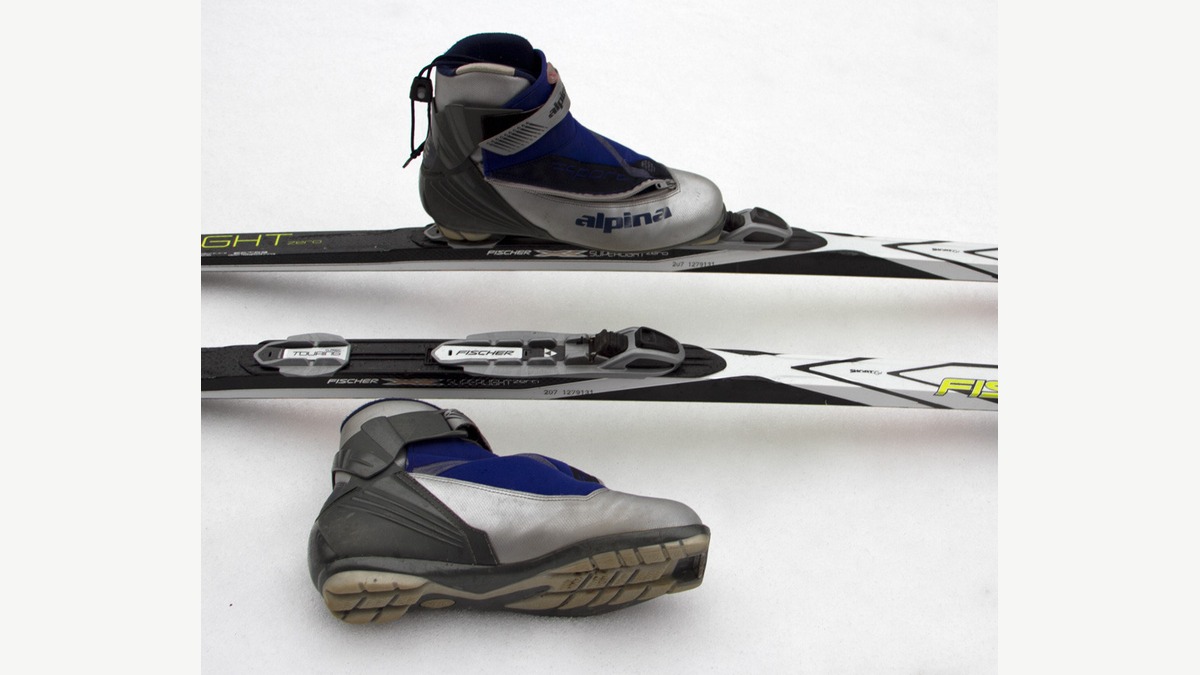 Your first ski day in Norway can start at a borrowing desk
-
Your first ski day in Norway can start at a borrowing desk
-
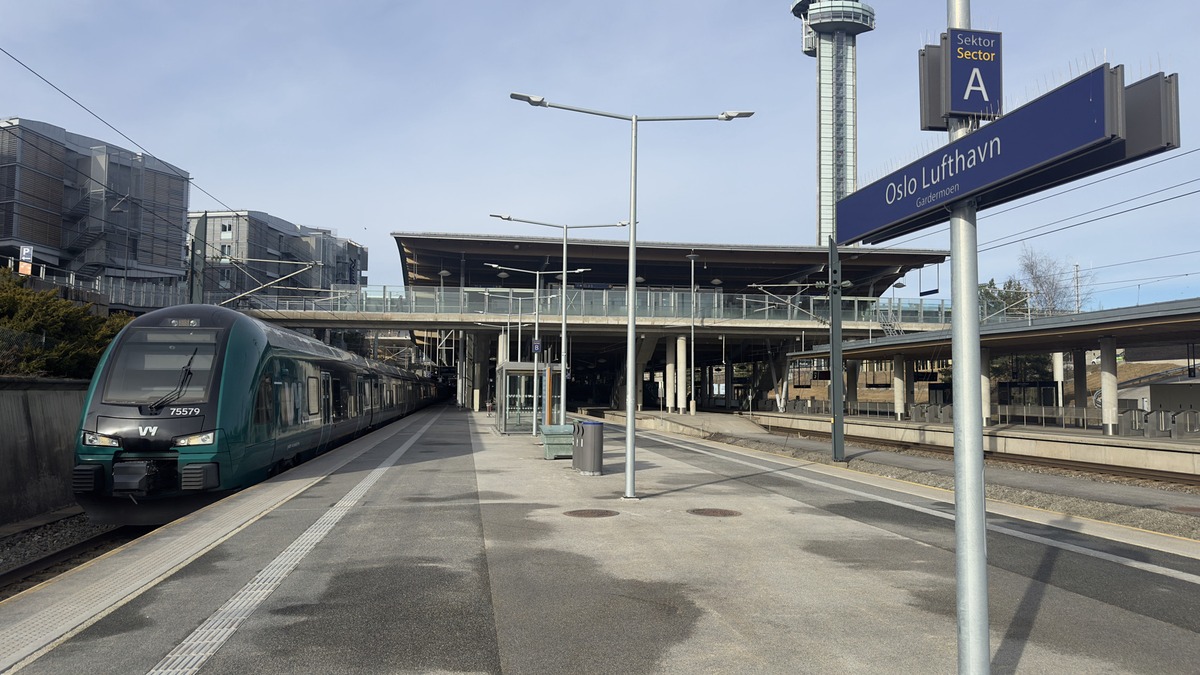 Picking someone up in Oslo? Ask for three letters before you leave home
-
Picking someone up in Oslo? Ask for three letters before you leave home
-
 You worked in Lithuania and Norway. Where should you apply for an old-age pension?
-
 Home by ferry via Karlshamn. Which address in Klaipėda should your loved ones wait at?