Unrealistic Regulations in Norway. Authorities Expect... Predators to Respect Zones Marked on the Map
For years, Norway has struggled with high losses among livestock, which the state attributes to protected predators. Researcher John Linnell points out that the current division of the country into small, fragmented zones protects neither predators nor livestock.
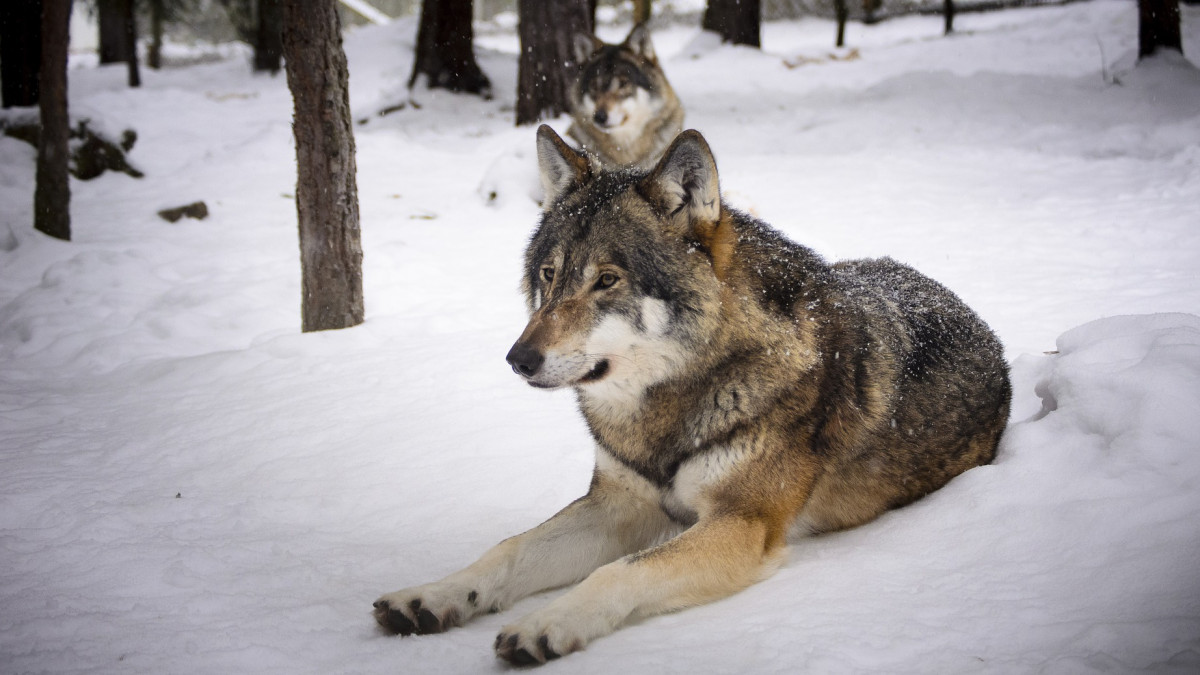
According to experts, current boundaries do not reflect how predators move.
Fot. Pixabay/CC0
In the past 20 years, Norway has paid compensation for over 800,000 sheep and reindeer. Just last year, the state allocated more than NOK 159 million for this purpose. Linnell, who works at the Norwegian Institute for Nature Research and at Inland Norway University, emphasizes that predators do not respect administrative borders or lines drawn on maps.
He notes that the current system resembles a "chessboard" made up of small squares that do not meet the needs of large animals. In his opinion, the model from Vestlandet, where large predator-free zones have been established, has almost eliminated losses among livestock.
He notes that the current system resembles a "chessboard" made up of small squares that do not meet the needs of large animals. In his opinion, the model from Vestlandet, where large predator-free zones have been established, has almost eliminated losses among livestock.
Proposed Changes and Growing Conflict
The researcher believes that separating predators and livestock can work, but requires clear and large zones on both sides. He argues that there is a need for changes in farming practices where predators have priority. He points to solutions used in Europe, such as electric fences, shepherd dogs, or bringing sheep in from pastures earlier.
However, he notes that implementing such methods would mean major changes for many farms. Linnell emphasizes that today’s compromise does not deliver the expected results and the conflict continues to escalate.
However, he notes that implementing such methods would mean major changes for many farms. Linnell emphasizes that today’s compromise does not deliver the expected results and the conflict continues to escalate.
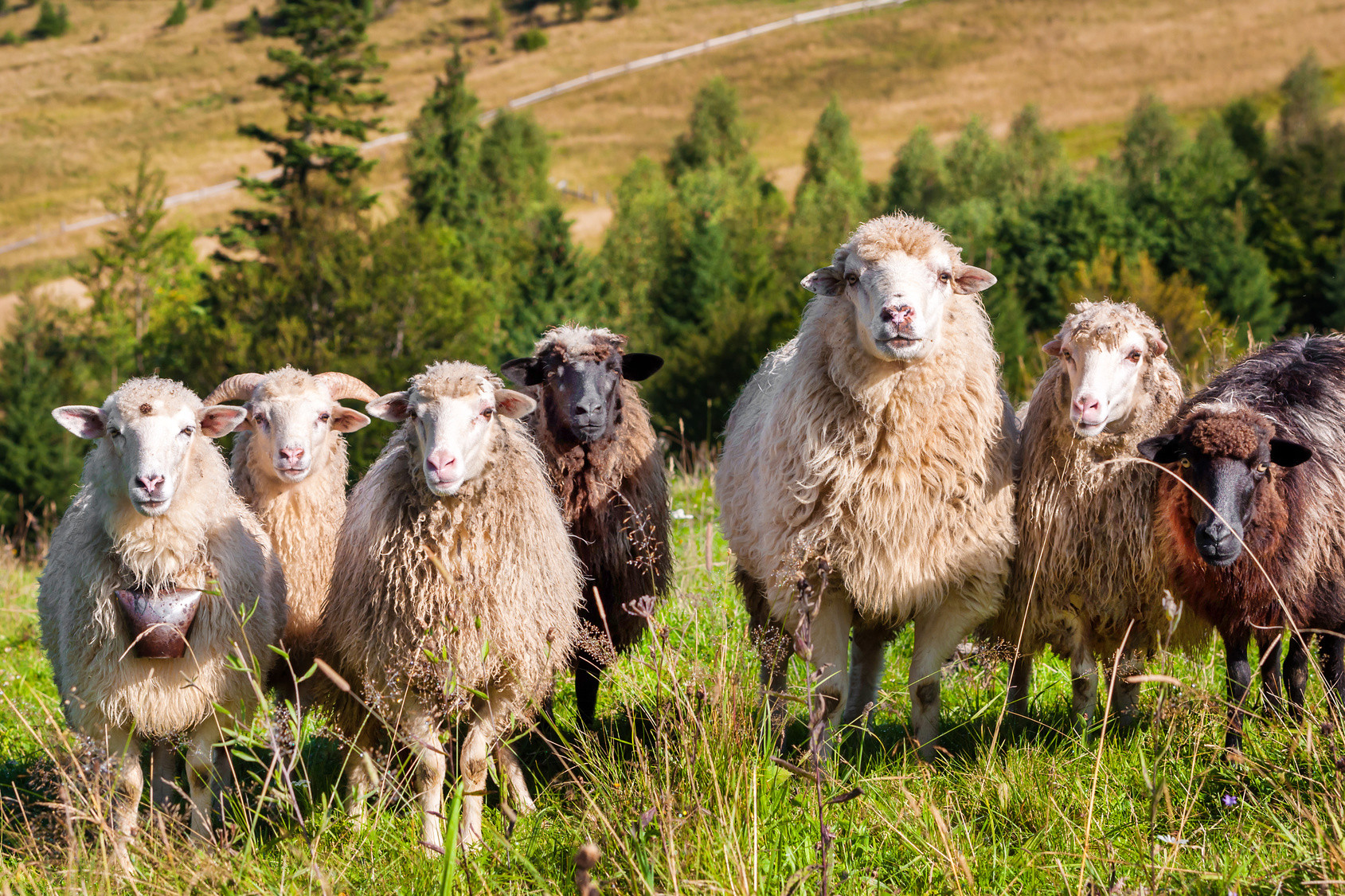
Farmers remind that the economy largely relies on open grazing.Photo: fotolia.com
Divergent Positions of Organizations and the Agricultural Sector
At the same time, tensions are rising between animal protection organizations and representatives of agriculture and reindeer herders. The animal rights organization argues that too little space is allocated for predators, and the actual number of documented losses is lower than the compensation paid. The organization criticizes unsupervised grazing and points to the need to reduce the number of livestock.
Meanwhile, the Norwegian National Reindeer Herders’ Association warns that losses among reindeer herds are too high and, in their opinion, the only effective solution is to reduce the predator population. The Norwegian Farmers’ Federation argues that Norway’s conditions do not allow for comparisons with livestock farming in other European countries.
Meanwhile, the Norwegian National Reindeer Herders’ Association warns that losses among reindeer herds are too high and, in their opinion, the only effective solution is to reduce the predator population. The Norwegian Farmers’ Federation argues that Norway’s conditions do not allow for comparisons with livestock farming in other European countries.
Need for Larger Zones and Consistent Political Decisions
The Norwegian Environment Agency confirms that some zones are nonfunctional and too small to provide stable living conditions for predators. Officials point to regions where animals, including bears, avoid areas formally designated for them and move into priority grazing areas, leading to new losses.
They announce that in some cases, political decisions may be necessary. At the same time, they note that in regions with intensive reindeer herding, actions such as moving herds to less threatened areas are possible. However, they emphasize that in northern regions, the large number of lynxes and wolverines remains a challenge.
They announce that in some cases, political decisions may be necessary. At the same time, they note that in regions with intensive reindeer herding, actions such as moving herds to less threatened areas are possible. However, they emphasize that in northern regions, the large number of lynxes and wolverines remains a challenge.
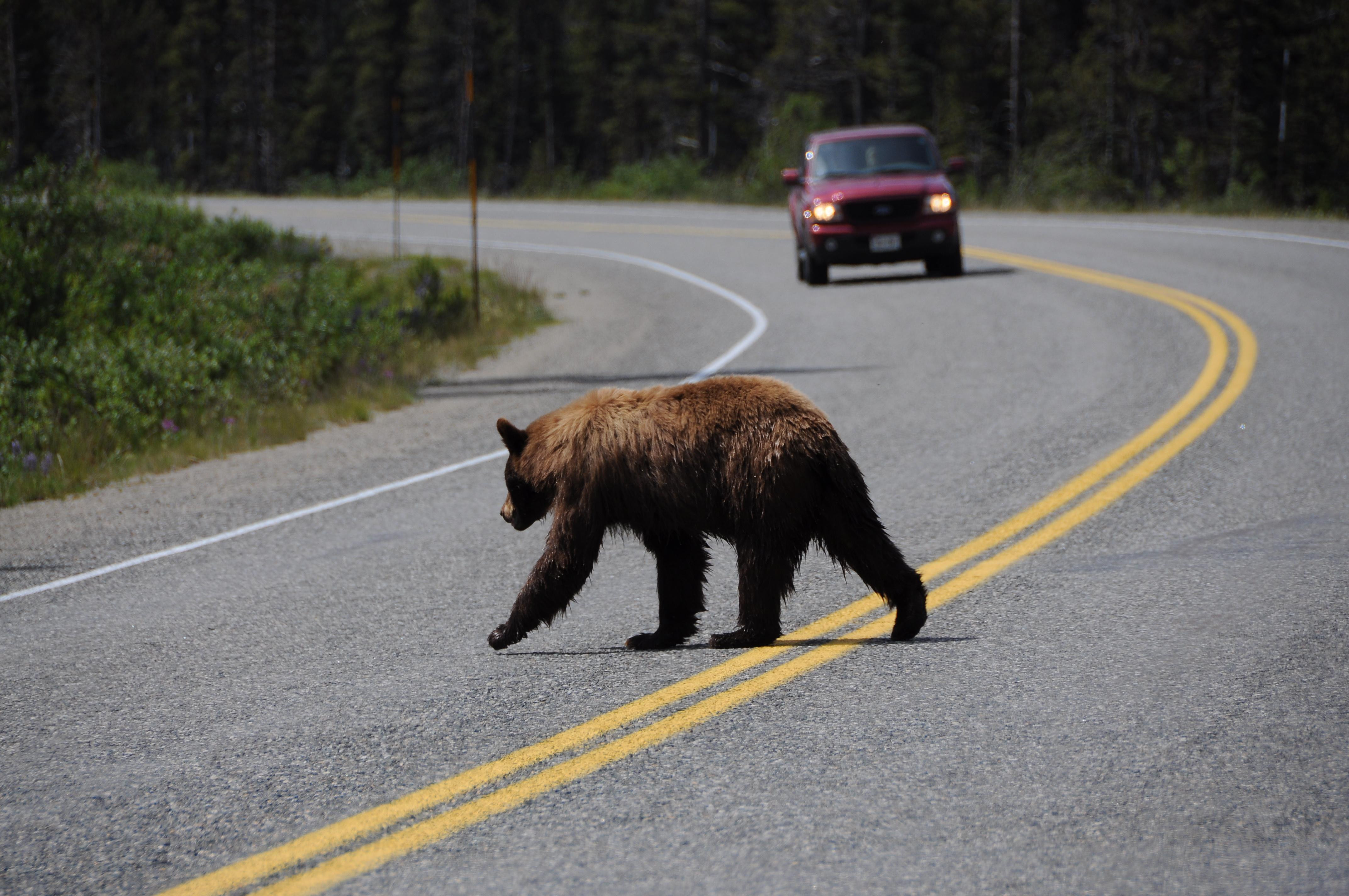
The brown bear avoids high mountain areas formally designated for it.Photo: fotolia
Regional Tensions and Different Visions for Future Solutions
State authorities maintain that the current division into zones works in most cases, though they recognize areas that require changes. The regional predator commission in Nordland, however, believes there are no real possibilities to modify zones on their own. Regional representatives emphasize that geographical conditions make it difficult to achieve the goal of a stable presence of female brown bears with cubs.
They point out that previous attempts have not brought results, and the last recorded female bear with cubs died in 2015. They note that without support from central authorities, it is impossible to create larger and more stable areas for predators.
They point out that previous attempts have not brought results, and the last recorded female bear with cubs died in 2015. They note that without support from central authorities, it is impossible to create larger and more stable areas for predators.
The discussion about new zone boundaries and ways to reduce livestock losses will continue, as state institutions prepare further analyses and recommendations. In the background remains the question of how to reconcile the protection of endangered species with the needs of the grazing sector. Upcoming decisions may redefine the relationship between predators, grazing animals, and the people who have shared these lands with them for decades.
How do you rate this article?