They want to double tolls for new combustion-engine cars. What does the government say?
Oslo wants to double road tolls for new petrol and diesel cars. The higher rates would apply to vehicles purchased after 2026 and remain in force throughout their entire period of use. However, the government is not planning changes to the law that would make this solution possible.
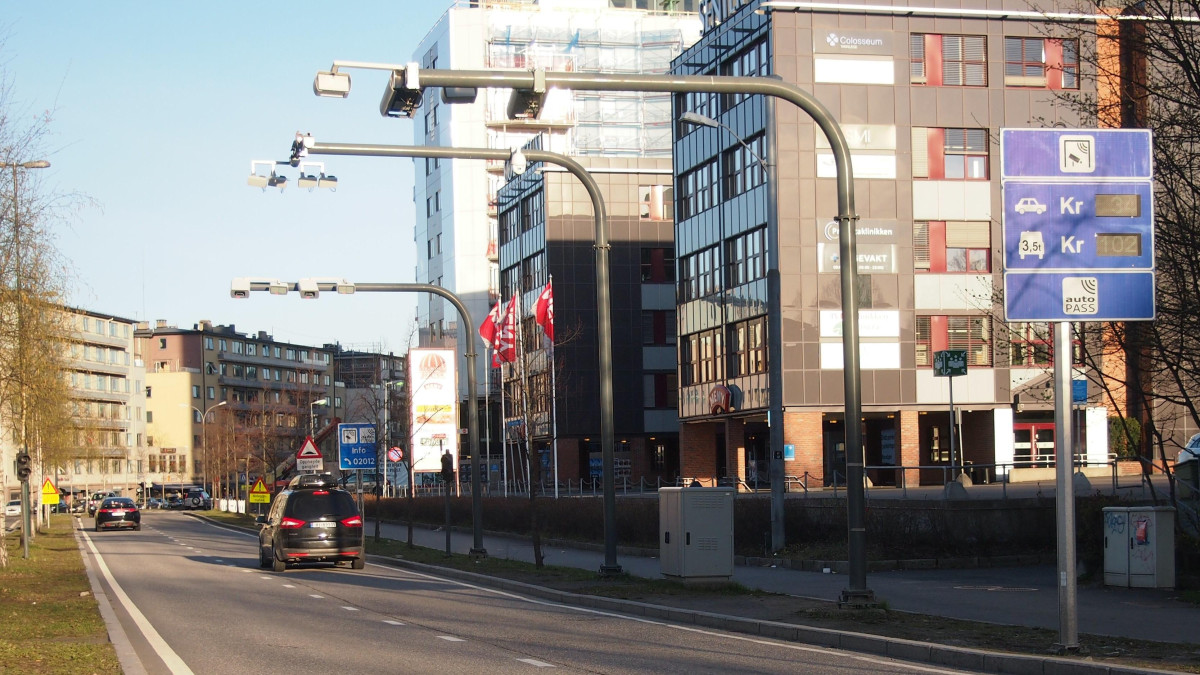
The government does not agree to new tolls in Oslo.
Fot. Wikimedia Commons/Konstanchin/CC BY-SA 4.0
The local decision has already been made. The proposal was adopted by politicians in Oslo and Akershus, but its implementation requires a legal amendment by the Norwegian parliament. For example, the toll for driving a diesel car could rise from NOK 50 to NOK 100.
Supporters point to noise and emissions. Opponents question the arguments
The idea is promoted by Margit Bye, head of the Green Party (MDG) in Oslo. The politician points to pollution, noise and the space that new combustion-engine cars will occupy in the city in the years ahead. MDG had hoped for support from the new transport minister. Those hopes were linked to Kamzy Gunaratnam, who is from Oslo, taking over the ministry.
The Centre Party (Sp) will not support the amendment. Its leader and former finance minister, Trygve Slagsvold Vedum, claims that electric cars are often noisier due to their greater weight and wider tyres. He also questions the emissions argument. According to him, new combustion-engine cars emit few local pollutants, and MDG's proposal is merely a symbolic measure against such vehicles.
The Centre Party (Sp) will not support the amendment. Its leader and former finance minister, Trygve Slagsvold Vedum, claims that electric cars are often noisier due to their greater weight and wider tyres. He also questions the emissions argument. According to him, new combustion-engine cars emit few local pollutants, and MDG's proposal is merely a symbolic measure against such vehicles.
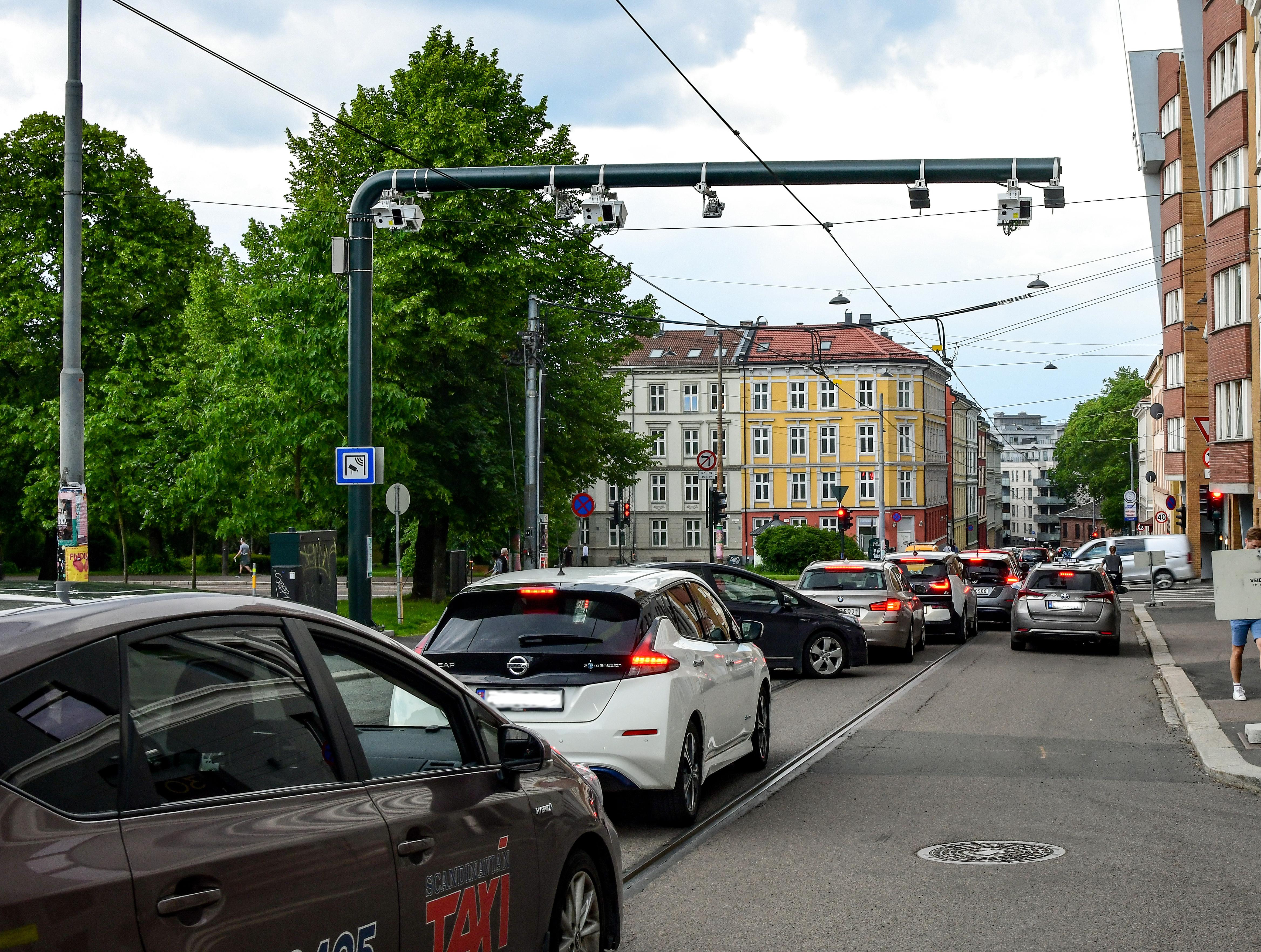
This would be another increase in road tolls in Oslo.Photo: Knut Opeide, Norwegian Public Roads Administration (illustrative photo)
Electric cars dominate registrations. The government is not planning an amendment
Vedum also points to the low sales of combustion-engine cars. According to data cited in the report, vehicles other than electric cars account for around 2 percent of new registrations in Norway, or one vehicle in 50. The politician stresses the specific needs of some buyers. He mentions people living far from charging infrastructure, buyers of cars requiring special adaptations, and motoring enthusiasts.
The government does not intend to initiate the necessary changes. In a written response to parliament, Gunaratnam stated that the double rate would have a very limited effect on increasing the share of electric cars. She pointed to the already very high share of new zero-emission vehicles. At this stage, the minister therefore does not plan to enable tolls to be doubled for new passenger cars with combustion engines.
The government does not intend to initiate the necessary changes. In a written response to parliament, Gunaratnam stated that the double rate would have a very limited effect on increasing the share of electric cars. She pointed to the already very high share of new zero-emission vehicles. At this stage, the minister therefore does not plan to enable tolls to be doubled for new passenger cars with combustion engines.
Gunaratnam also pointed to the possibilities offered by the current regulations. In her view, they allow urban areas to set car traffic charges more precisely. Such measures are intended to support the goal of preventing an increase in passenger car traffic in the capital region.
How do you rate this article?