There Is a Wall, But It's Full of Holes. Is Europe Defenseless Against Drones?
An NRK editorial report points to significant shortcomings in the European drone defense system. Detection and neutralization capabilities are particularly problematic. The system, often referred to as the "drone wall," faces technical and organizational difficulties. These shortcomings are highlighted by the current wave of drone incidents over Northern and Central European countries.
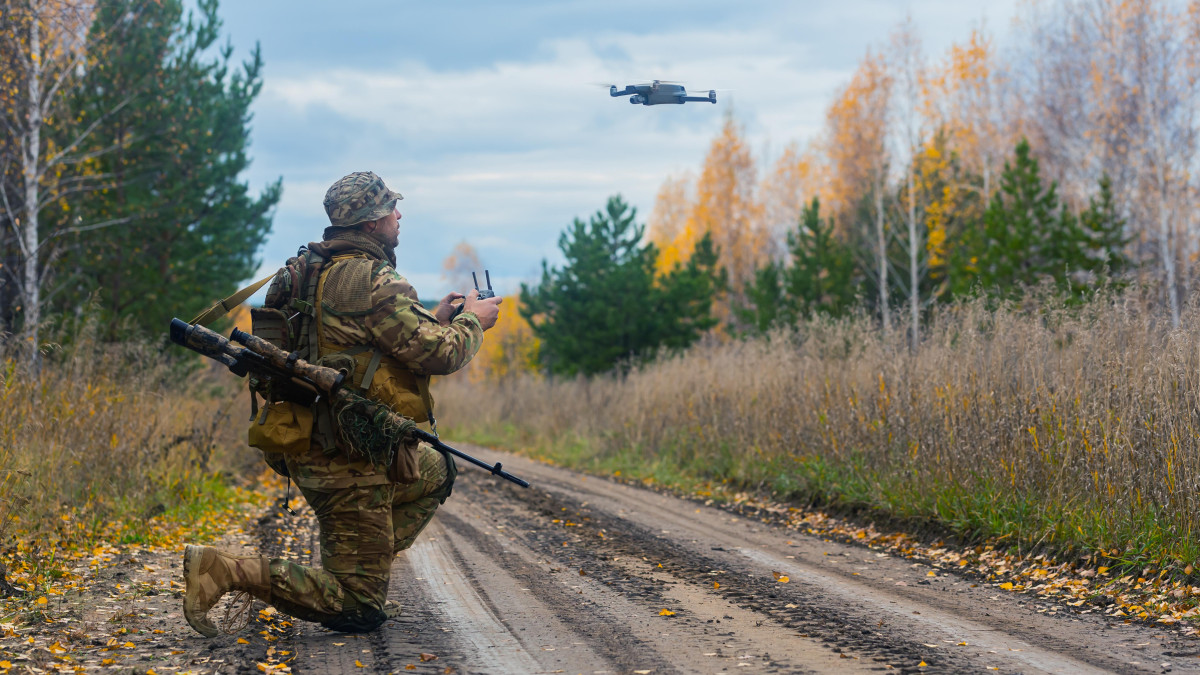
The debate continues after incidents in Denmark, Norway, and Poland.
Fot. Adobe Stock, licencja standardowa (zdjęcie poglądowe)
There are gaps in the European drone defense mechanism, especially when it comes to detecting small flying units—particularly low-altitude drones of various sizes. Radar systems, which work well for larger targets, struggle to detect small, slow-moving objects, making them difficult to spot.
Furthermore, integrating data from different sources—such as radars, acoustic, and optical sensors—faces technical and procedural challenges. According to NRK, this often means that the air defense system only reacts after the fact, once a drone has already breached the airspace.
Furthermore, integrating data from different sources—such as radars, acoustic, and optical sensors—faces technical and procedural challenges. According to NRK, this often means that the air defense system only reacts after the fact, once a drone has already breached the airspace.
European States Lack Unified Procedures
Another problem is the lack of unified procedures and standards among EU countries. When a drone crosses the borders of multiple countries, rapid information exchange and joint incident management are needed. Differences in national regulations and the absence of a central coordination center complicate the effectiveness of the response.
According to the report's authors, in some cases there are not even clear decision-making mechanisms to determine which institutions are responsible for specific defensive actions.
According to the report's authors, in some cases there are not even clear decision-making mechanisms to determine which institutions are responsible for specific defensive actions.
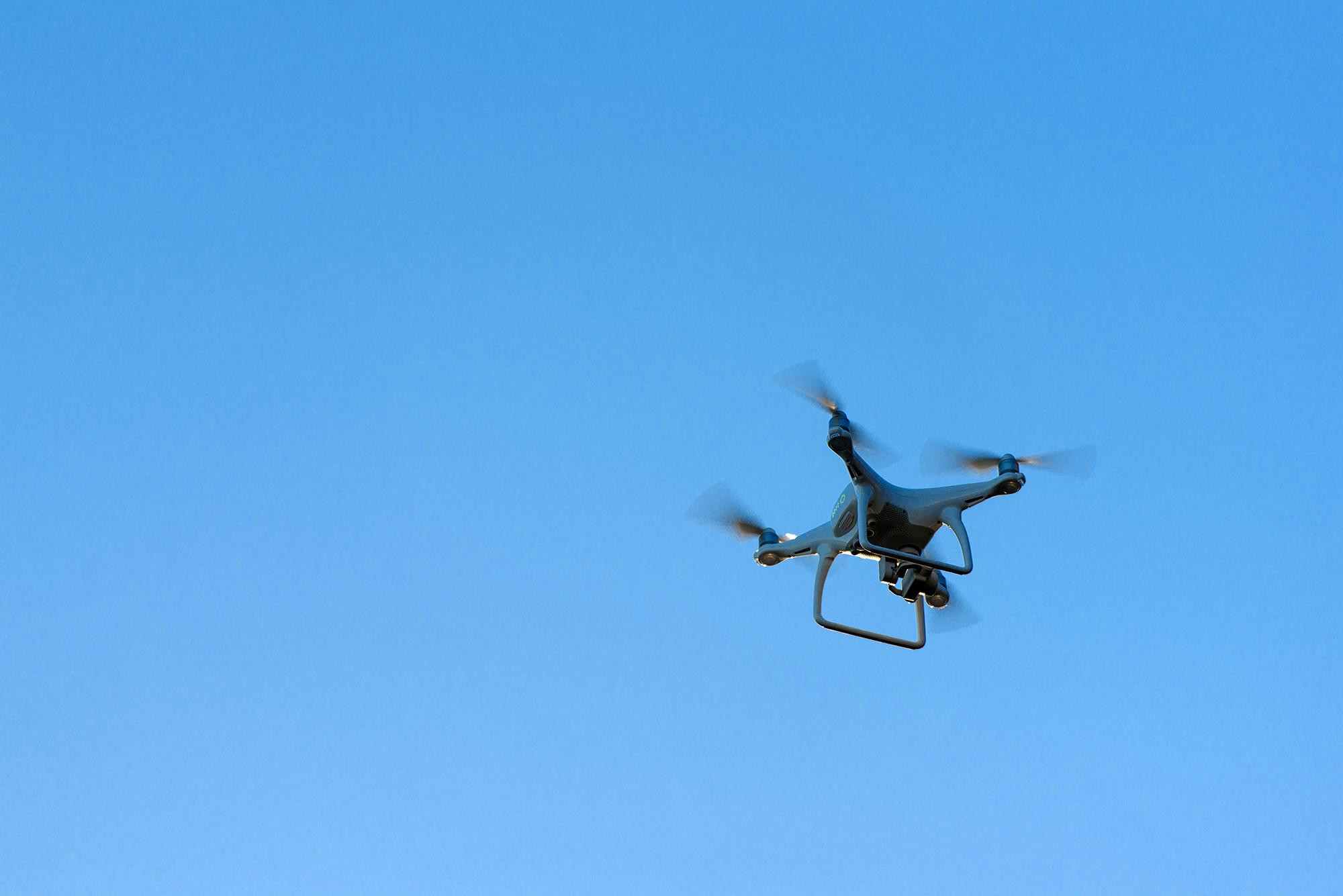
Reports of drones violating airspace subject to Norwegian restrictions appear almost daily.Photo: Olav Heggø, press materials from the Ministry of Transport (illustrative photo)
Does Europe Have No Way to Counter Drones?
The third area of deficiency concerns tools for neutralizing drones, such as jamming electronics, disorientation, or physical interception. Even when a drone is detected, there is a lack of universal solutions that could be used in various environmental conditions and movement scenarios.
Additionally, the costs and complexity of implementing such systems across the entire Schengen area or along the EU's external borders are significant. Without unified standards and cooperation among member states, the implementation of an effective drone defense system is delayed.
Additionally, the costs and complexity of implementing such systems across the entire Schengen area or along the EU's external borders are significant. Without unified standards and cooperation among member states, the implementation of an effective drone defense system is delayed.
According to the NRK report, if the European defense community does not address the gaps in detection, coordination, and neutralization, the so-called drone wall may remain more of a dream than a realistic concept. Until the system can operate efficiently on an international scale, new drone incidents may continue to expose weaknesses in the EU and NATO's defense infrastructure.
How do you rate this article?