The problem of Norwegian salmon returns. Did breeders try to deceive the state?
Mortality statistics in Norwegian salmon farming may not show the full scale of losses. According to the organization Dyrevernalliansen (Animal Protection Alliance), some fish that die during production are classified in a different category than "dead," which changes the picture of the situation.
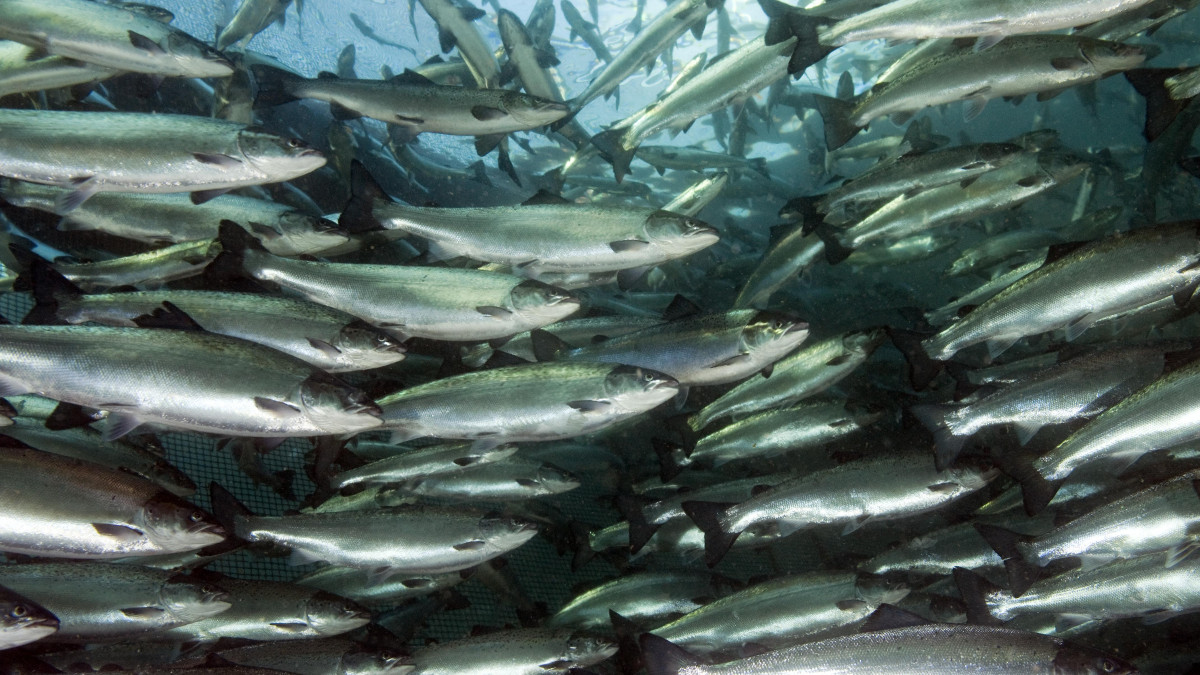
One of the main problems in salmon farming is a parasite known as salmon lice.
Fot. Rudolf Svensen/Dyrevernalliansen
The 2025 Fish Health Report, prepared by the Veterinary Institute, indicates a decline in mortality in Norwegian salmon aquaculture. However, Dyrevernalliansen claims that the data may be interpreted in a misleading way. The problem concerns the way losses in farming are classified. Some fish are not included in the mortality statistics.
Growing category
The report is based on data concerning fish registered as dead. However, it does not include all fish losses during production. In recent years, the share of losses classified as "other" has been increasing. This means that an increasing portion of losses is not included in mortality statistics. As a result, the mortality rate may decrease despite no real improvement.
According to Dyrevernalliansen, changes in reporting methods can affect data interpretation. If more fish are classified as "other," the number of recorded deaths decreases. However, the total number of lost fish may remain the same or even increase. In such a case, statistics suggest an improvement in welfare, even though the actual situation does not change. The organization emphasizes that the total number of fish lost before slaughter is key.
According to Dyrevernalliansen, changes in reporting methods can affect data interpretation. If more fish are classified as "other," the number of recorded deaths decreases. However, the total number of lost fish may remain the same or even increase. In such a case, statistics suggest an improvement in welfare, even though the actual situation does not change. The organization emphasizes that the total number of fish lost before slaughter is key.
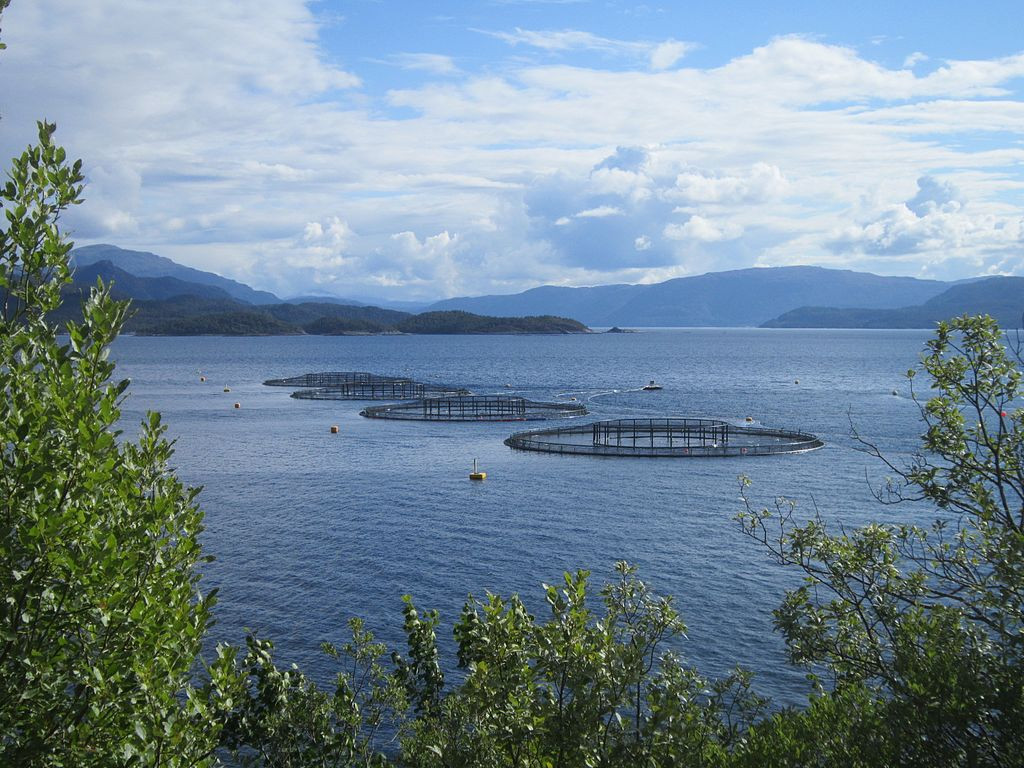
In recent years, there has been growing interest in the welfare of farmed fish.Photo: Wikimedia Commons/CC BY-SA 4.0/Brataffe
Significance for political decisions
Dyrevernalliansen warns against repeating information about declining mortality without presenting full data on losses. Such a picture of the situation can influence public debate. It can also weaken the precision of analyses concerning fish welfare in aquaculture. The organization points out that statistics are becoming increasingly important in the legislative process. This includes, among other things, proposals to introduce a fee on farming losses.
Work is also underway on changes to aquaculture regulations. In many proposals, mortality and loss data are the main reference points. If some of these are not included in the main statistics, it can affect the assessment of the scale of the problem. According to the organization, a more complete picture is essential when creating regulations on fish welfare.
Work is also underway on changes to aquaculture regulations. In many proposals, mortality and loss data are the main reference points. If some of these are not included in the main statistics, it can affect the assessment of the scale of the problem. According to the organization, a more complete picture is essential when creating regulations on fish welfare.
Dyrevernalliansen is calling for more precise presentation of data on losses in salmon farming. The organization points out that both research institutions and public authorities should analyze the total number of fish lost in production. Only such an approach will allow for a more accurate determination of the scale of challenges in Norwegian aquaculture. In practice, this would mean changing the way data is presented, which today is one of the main reference points in discussions about the future of the industry.
How do you rate this article?