“The Battle of Norway.” New report identifies where the greatest threats may emerge
The Sahaidachny Security Center (SSC) identifies the period from late 2026 to 2029 as a potential window of heightened risk for Norway and the North Atlantic Treaty Organization (NATO). The authors of the report “The Battle of Norway” assess that a possible Russian operation against Norway would not necessarily involve a land invasion. Attacks on energy infrastructure, subsea cables and the country’s logistics system could be far more significant.
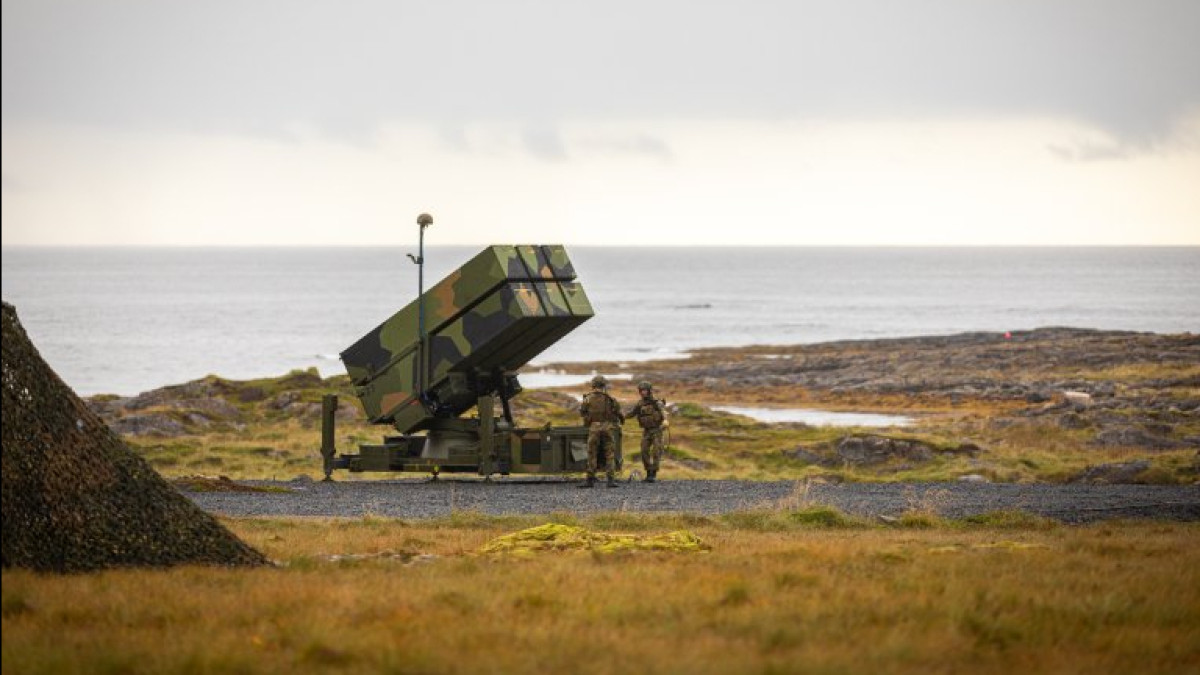
Norway must be prepared for threats.
Fot. Ole Andreas Vekve, Norweskie Siły Zbrojne/materiały prasowe/Forsvaret
The report analyses a conflict scenario in which operations would be conducted simultaneously in the air, at sea, underwater, in cyberspace and across the electromagnetic spectrum. The authors stress that they are not predicting a specific Russian attack, but rather describing a scenario developed for defence-planning purposes. Timing is an important factor. A large part of Norway’s modernisation programmes is not expected to reach maturity until 2029–2036, later than the potential threat window identified in the report.
Not an invasion of Finnmark. Infrastructure could be key
The report’s authors assess that a conventional ground offensive against Finnmark is a less likely scenario. They view an open naval confrontation around Svalbard similarly, pointing to the high cost of such an operation for Russia. Pressure exerted from a distance would be more significant. In the SSC scenario, this could involve coordinated missile and drone strikes, cyberattacks and sabotage targeting key elements of Norway’s infrastructure.
Norway has particular significance in this context because of its energy sector and location. According to data cited in the report, the country accounted for around 54 per cent of EU pipeline gas imports in 2025, and around 55 per cent in the first quarter of 2026. Including LNG, Norway’s share was about 30 per cent of total EU gas imports. Telecommunications infrastructure also runs through Norwegian waters, and the country plays an important role in NATO’s system for deploying forces to the Nordic-Baltic region.
Norway has particular significance in this context because of its energy sector and location. According to data cited in the report, the country accounted for around 54 per cent of EU pipeline gas imports in 2025, and around 55 per cent in the first quarter of 2026. Including LNG, Norway’s share was about 30 per cent of total EU gas imports. Telecommunications infrastructure also runs through Norwegian waters, and the country plays an important role in NATO’s system for deploying forces to the Nordic-Baltic region.
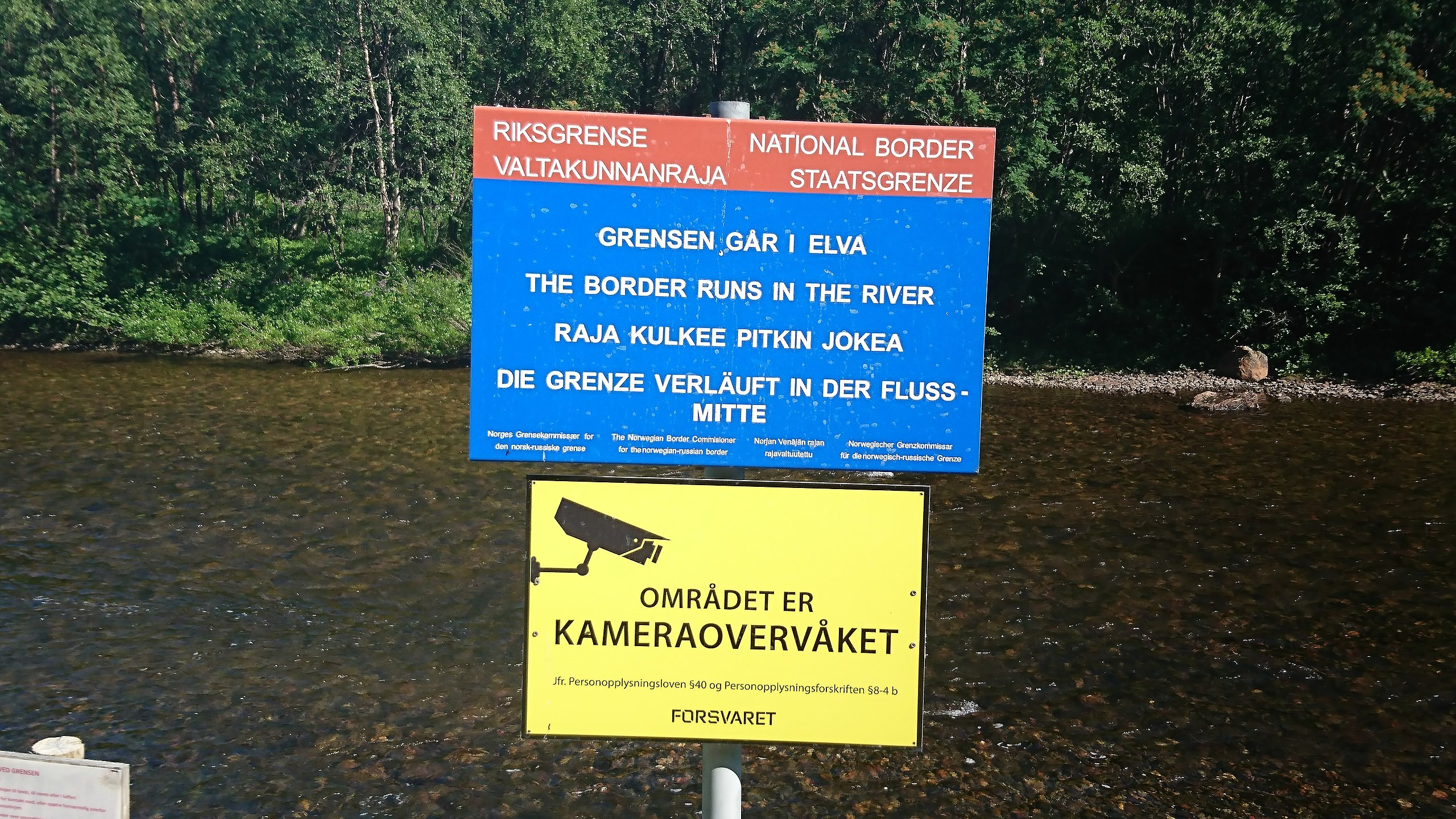
Russia is considered the greatest threat to Norway.Photo: PaskaSemmen113, CC BY-SA 4.0, via Wikimedia Commons
Drones are changing the threat. Defence has specific gaps
The report states that Norway has advanced systems, including F-35A aircraft, P-8A Poseidon aircraft and the NASAMS system. However, the scale of a potential attack is said to be a problem. According to the authors, the current architecture was not designed to sustain defence against prolonged mass waves of cheap drones combined with cruise and ballistic missiles. Such operations could gradually deplete stocks of expensive interceptor missiles.
The SSC also draws attention to ballistic missile defence. According to the report, Norway’s current systems do not provide an indigenous capability to counter missiles such as the Iskander-M, while NASAMS is intended primarily to engage other types of aerial targets. The authors also point to an insufficiently developed layer of defence against mass drone attacks. They consider cheaper interceptor systems, a distributed sensor network and electronic warfare solutions necessary.
The SSC also draws attention to ballistic missile defence. According to the report, Norway’s current systems do not provide an indigenous capability to counter missiles such as the Iskander-M, while NASAMS is intended primarily to engage other types of aerial targets. The authors also point to an insufficiently developed layer of defence against mass drone attacks. They consider cheaper interceptor systems, a distributed sensor network and electronic warfare solutions necessary.
Ukraine is to provide experience. Cooperation is already growing
A large part of the report concerns possible cooperation between Norway and Ukraine. The authors point to experience gained during the war in drone defence, electronic warfare, unmanned maritime systems and digital battlefield management. In their view, these solutions could also be used to protect Norway’s vast territory and coastline. Automation would play a particular role, as the country has a limited number of personnel relative to the area requiring protection.
The starting point would not be an entirely new cooperation structure. The report mentions the Brave-Norway programme, the defence declaration from Oslo of April 2026, Kongsberg’s activities in Kyiv and investments related to Ukrainian maritime drones. The authors propose expanding these initiatives into a permanent partnership for the joint development of defence capabilities. One of the areas would also be the development of ballistic missile interceptor systems and joint unmanned projects.
The report was prepared by the SSC at the request of the Ukrainian company Buntar Aerospace and is intended to support the development of the Ukrainian-Norwegian defence partnership. The authors note that the described scenario is deliberately an extreme variant, not a forecast of future events. They also stipulate that some data on Russian military production are estimates and may change.
The starting point would not be an entirely new cooperation structure. The report mentions the Brave-Norway programme, the defence declaration from Oslo of April 2026, Kongsberg’s activities in Kyiv and investments related to Ukrainian maritime drones. The authors propose expanding these initiatives into a permanent partnership for the joint development of defence capabilities. One of the areas would also be the development of ballistic missile interceptor systems and joint unmanned projects.
The report was prepared by the SSC at the request of the Ukrainian company Buntar Aerospace and is intended to support the development of the Ukrainian-Norwegian defence partnership. The authors note that the described scenario is deliberately an extreme variant, not a forecast of future events. They also stipulate that some data on Russian military production are estimates and may change.
How do you rate this article?