Sledding? Only with the right gear. Pressure mounts for a new helmet mandate
47 percent of respondents support introducing a helmet requirement for sledding. This is the result of the latest survey commissioned by the Tryg Insurance Company (Tryg Forsikring).
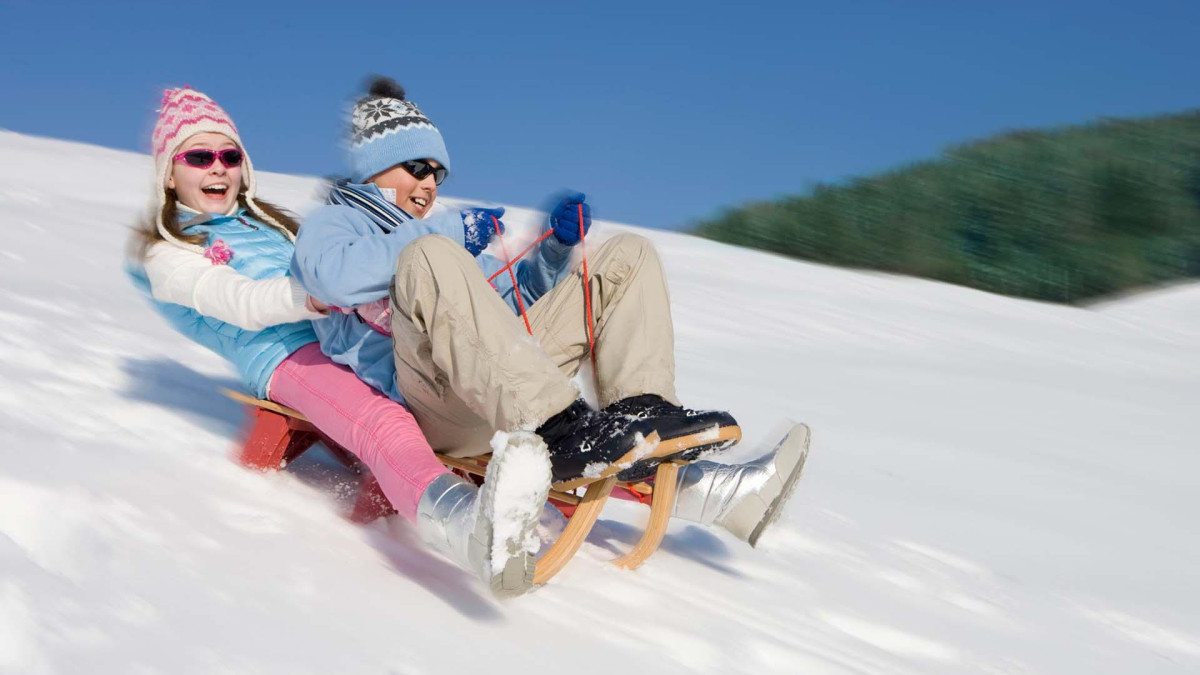
Riding without a helmet at high speed increases the risk of injury.
Fot. Shutterstock-Tryg Forsikring
The insurer points to a rising number of accidents on sledding slopes, with head injuries becoming increasingly common. Tryg Forsikring supports making helmets mandatory.
Support for the mandate and Tryg's position
47 percent of respondents believe that wearing helmets should be mandatory on sledding slopes. The company highlights the serious consequences of falls, especially on icy runs. High speeds can lead to severe injuries.
Torbjørn Brandeggen from Tryg Forsikring emphasizes that many head injuries could have been avoided or minimized. He points to the risk of falls and collisions, noting that riding without a helmet at high speed increases the risk of serious injuries. In his view, wearing a helmet in such conditions is justified.
Torbjørn Brandeggen from Tryg Forsikring emphasizes that many head injuries could have been avoided or minimized. He points to the risk of falls and collisions, noting that riding without a helmet at high speed increases the risk of serious injuries. In his view, wearing a helmet in such conditions is justified.
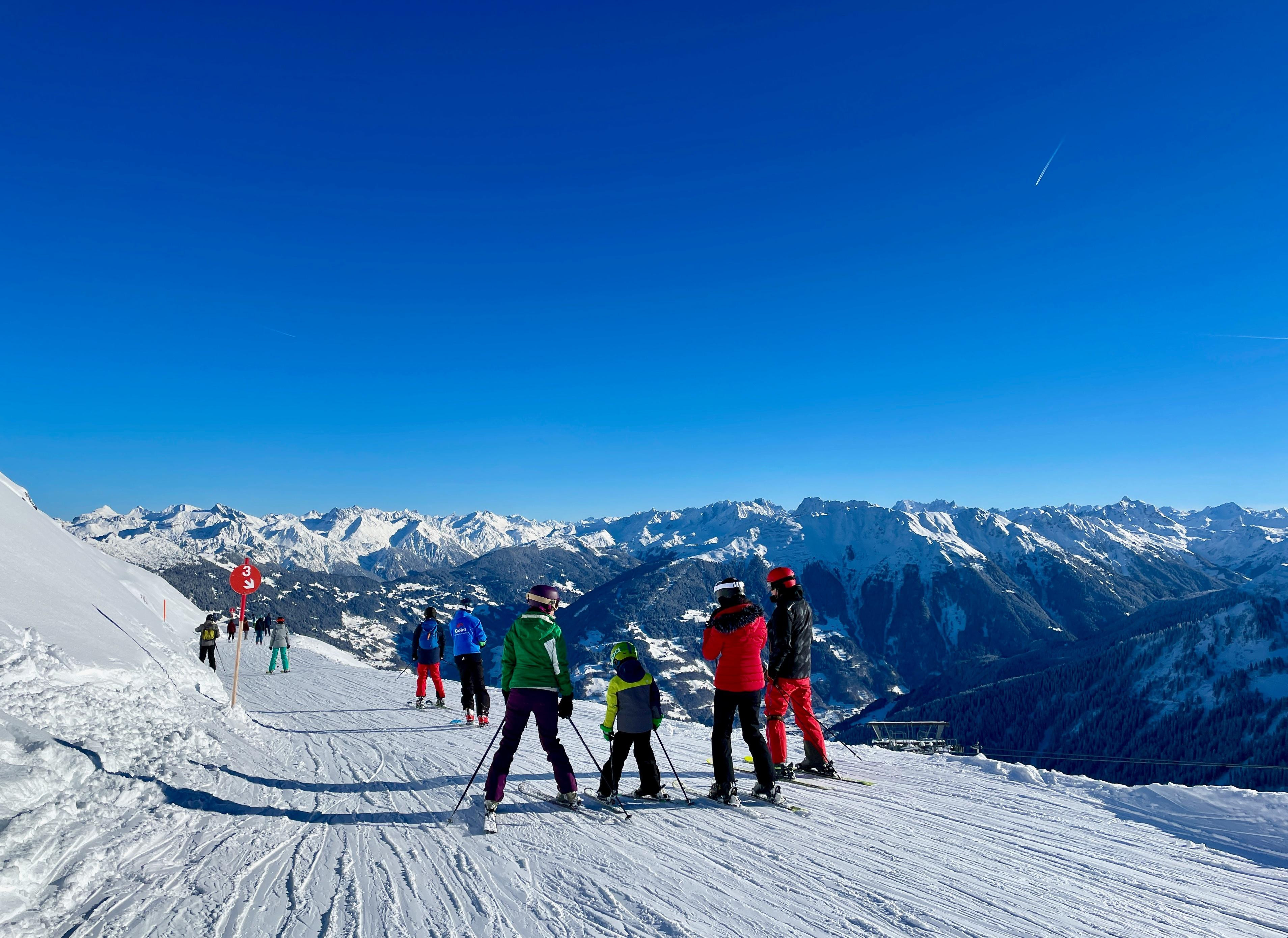
The risk increases with more people on the slope.Photo: stock.adobe.com/standard license
Low helmet usage and regional differences
Previous studies show that only one in ten people wears a helmet while sledding. Tryg Forsikring points out that helmets should be mandatory for activities with a high risk of collisions. In Sweden, helmets are required in preschools and schools during sledding, and their use is widespread.
The highest support for the helmet mandate was recorded in the regions of Møre og Romsdal, Oslo, and Troms. The lowest percentage of supporters was noted in Østfold, Finnmark, and Buskerud. Brandeggen notes that sledding can take place on various types of slopes, from gentle hills to steep inclines. On steep slopes, the risk of collisions and head injuries is high.
The highest support for the helmet mandate was recorded in the regions of Møre og Romsdal, Oslo, and Troms. The lowest percentage of supporters was noted in Østfold, Finnmark, and Buskerud. Brandeggen notes that sledding can take place on various types of slopes, from gentle hills to steep inclines. On steep slopes, the risk of collisions and head injuries is high.
The survey was conducted by the YouGov institute. A total of 1,003 online interviews were carried out between January 22 and 27, 2026. The respondents were aged 18 and over. These are the latest data on public opinion regarding safety on sledding slopes.
How do you rate this article?