Renting in Norway is getting more expensive. Data shows where increases are felt the most
Rental prices in Norway are rising at a record pace. The strongest growth has been recorded in Bergen, where market pressure is exceptionally high.
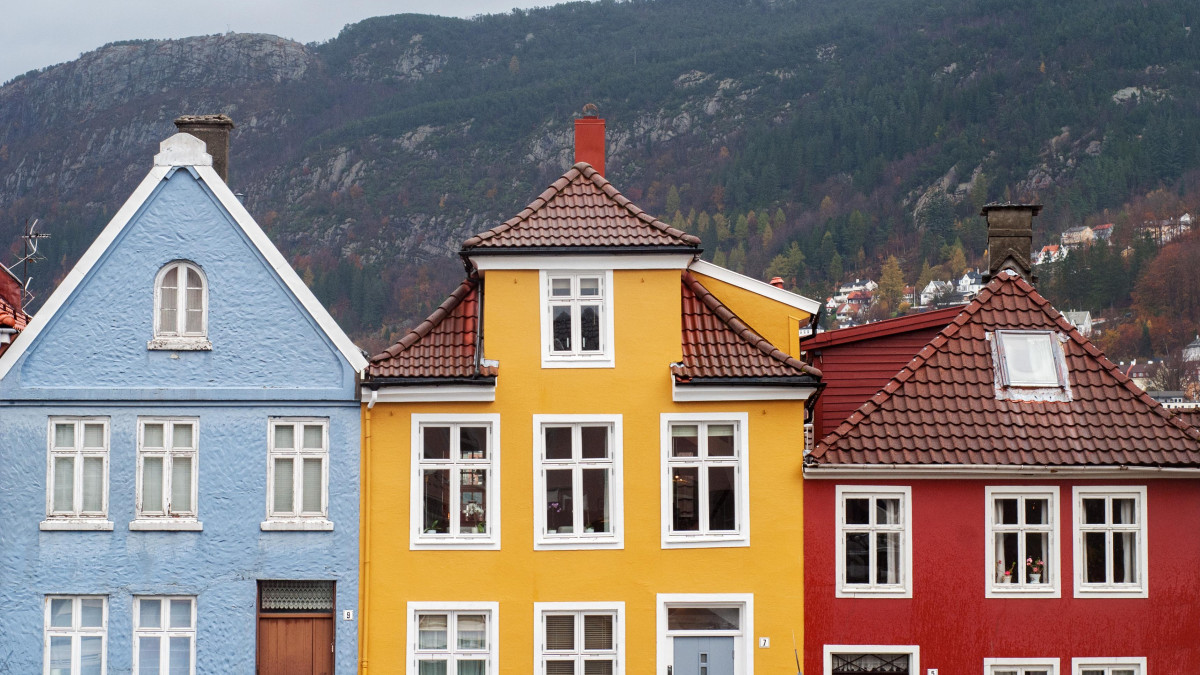
A low number of new construction projects is affecting the rental market.
Fot. Adobe Stock, licencja standardowa (zdjęcie poglądowe)
At the beginning of the year, rents increased at the fastest rate ever recorded. Data from Eiendom Norge indicate a clear acceleration of the trend. Bergen stands out in particular. In the first quarter, rental prices rose by 8.9 percent. The increases are the result of rising costs and a limited supply of apartments.
Record increase in rental prices
In Norway's largest cities, rents rose by 3.4 percent in the first quarter. Year-on-year, the growth rate reached 7.9 percent. This is the highest figure for this period since 2013. Bergen topped the ranking. The data confirm a clear acceleration after the pandemic.
Since 2022, rental prices have been rising steadily. The total increase during this period is close to 30 percent. The changes are linked to the macroeconomic situation. Higher rents affect the level of inflation. Renting is a significant part of the consumer basket.
Since 2022, rental prices have been rising steadily. The total increase during this period is close to 30 percent. The changes are linked to the macroeconomic situation. Higher rents affect the level of inflation. Renting is a significant part of the consumer basket.
Higher rents make it harder for Norges Bank to achieve its inflation target.Photo: Pixabay
Cost pressure and limited supply
Higher interest rates have increased the cost of financing real estate. Owners are passing these costs on to tenants. Taxes and maintenance costs are also rising. This directly affects the level of rents. Cost pressure remains high.
At the same time, the number of available rental apartments is decreasing. Low construction activity limits supply. More and more people are competing for the same units. At the end of the first quarter, there were 3,156 apartments available in the four largest cities. The decline in supply is particularly visible in Bergen as well as Stavanger and Sandnes.
At the same time, the number of available rental apartments is decreasing. Low construction activity limits supply. More and more people are competing for the same units. At the end of the first quarter, there were 3,156 apartments available in the four largest cities. The decline in supply is particularly visible in Bergen as well as Stavanger and Sandnes.
Regional differences in the market
The pace of price growth varies between cities. In Trondheim, the increase was around 6-7 percent for the quarter. In Oslo, the growth rate reached 2.1 percent. Stavanger and Sandnes recorded 1.5 percent in the same period. The differences result from local supply and demand conditions.
On an annual basis, Stavanger and Sandnes were the leaders. The increase there was 13.2 percent. The data show the regional volatility of the market. Structural factors continue to limit its development. The high level of interest rates affects housing costs and rent levels.
On an annual basis, Stavanger and Sandnes were the leaders. The increase there was 13.2 percent. The data show the regional volatility of the market. Structural factors continue to limit its development. The high level of interest rates affects housing costs and rent levels.
How do you rate this article?