
Norwegian media after the US elections: “Total collapse” and the end of Trump’s dominance
Norwegian media describe the outcome of the US midterm elections as a serious weakening of Donald Trump and the Republicans. Democrats won majorities in both the Senate and the House of Representatives, and in several states they took seats previously considered safe for their rivals. Commentators from Dagbladet, Nettavisen and NRK point above all to the scale of the political shift and the consequences for the final two years of Trump’s presidency.
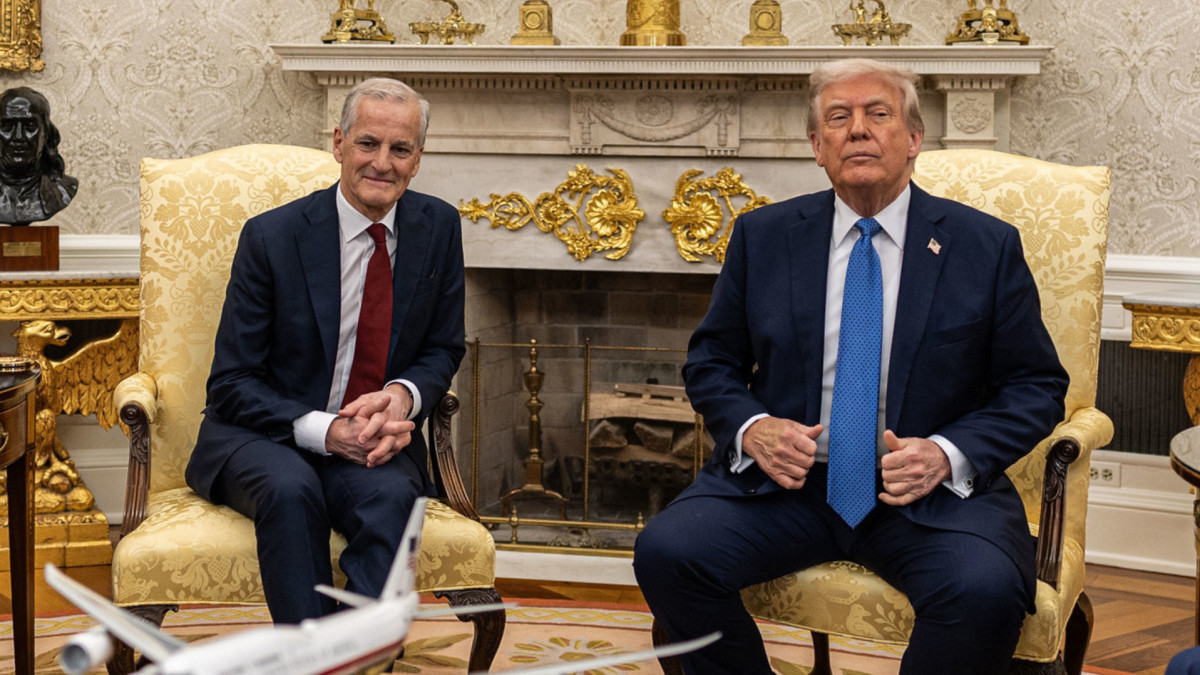
Pictured: Jonas Gahr Støre and Donald Trump during a meeting in Washington (April 2025).
Fot. Daniel Sannum Lauten / Pool / TV2 / Statsministerens kontor (Flickr.com, CC BY-NC 2.0)
The president himself became the focus of Norwegian commentary. Democrats also won in places where Donald Trump had held a large lead two years earlier, including Texas, Kansas and South Carolina. Trump announced that he would cooperate with the new majority. Norwegian commentators note, however, that losing both chambers of Congress means significantly more difficult conditions for implementing his own policies.
Dagbladet speaks of a “total collapse.” Nettavisen sees a rejection of Trump
Marie Simonsen, a commentator for Dagbladet, described the result as a “total collapse” for Trump and the MAGA movement. In her view, a “blue wave” swept across the US, as Democrats won seats even in states that strongly supported the current president in 2024. Simonsen points to the scale of the Republican defeat. Dagbladet also highlights Texas, where Democrat James Talarico is on track to win a Senate seat as the first candidate from his party since 1988.
Anders Magnus, a Nettavisen columnist, goes even further. In his commentary, he sees the result as a rejection of Trump’s policies, pointing, among other things, to rising living costs, fuel prices, tariff policy and the war with Iran. Magnus also writes about high voter mobilization. According to him, the new Democratic majority may try to change some existing policies, although the president retains tools that allow him to block certain congressional decisions.
Anders Magnus, a Nettavisen columnist, goes even further. In his commentary, he sees the result as a rejection of Trump’s policies, pointing, among other things, to rising living costs, fuel prices, tariff policy and the war with Iran. Magnus also writes about high voter mobilization. According to him, the new Democratic majority may try to change some existing policies, although the president retains tools that allow him to block certain congressional decisions.
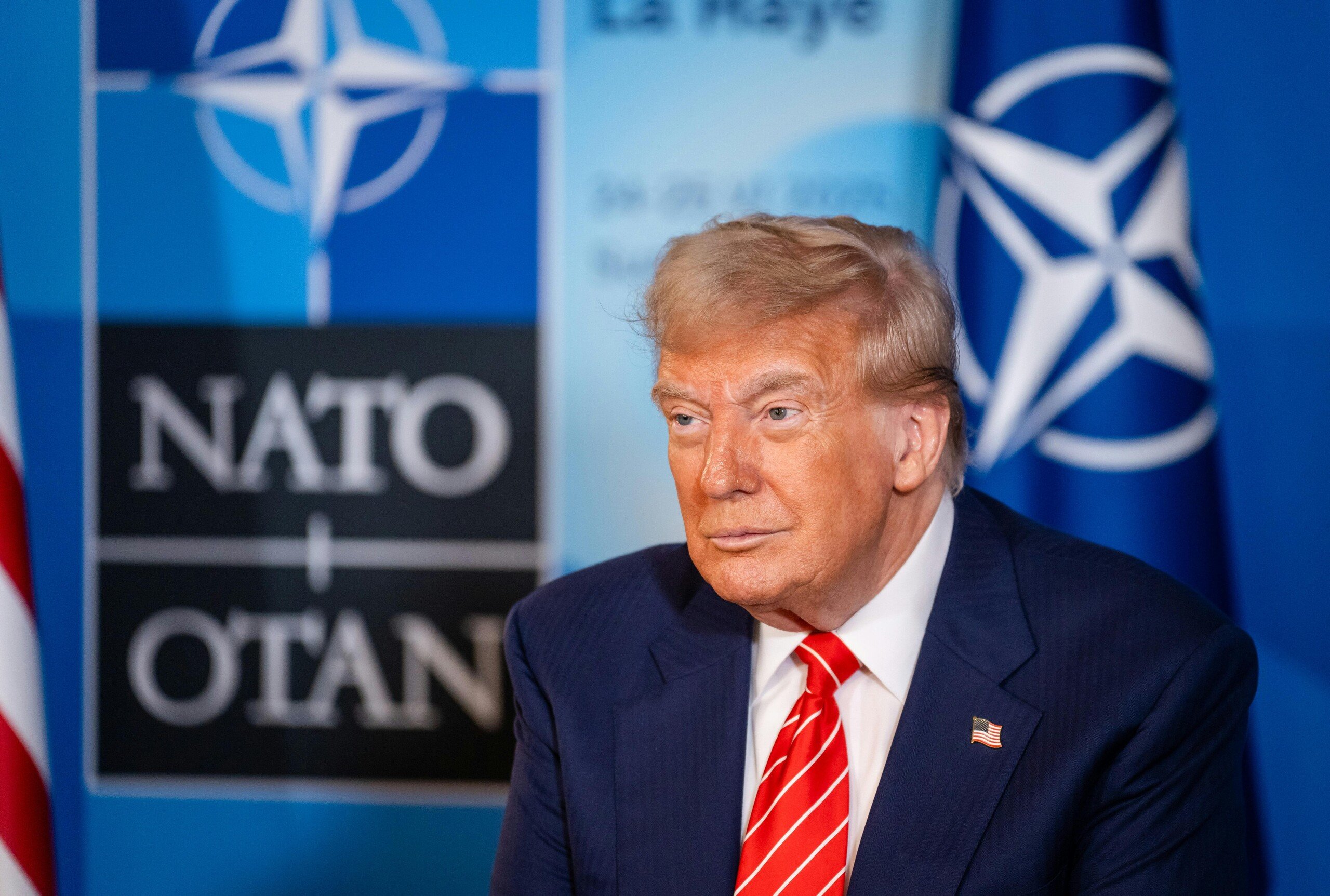
Donald Trump does not maintain friendly relations with Norway.Photo: Martijn Beekman, NATO press materials
NRK writes about the end of dominance. VG points to limits on power
Sigurd Falkenberg Mikkelsen, NRK’s foreign editor, believes that the period in which Trump was the dominant force in American politics has come to an end. He points to Democratic victories in Texas, South Carolina and Kansas, where the party won a Senate seat for the first time since 1932. Mikkelsen primarily links the shift to the economic situation. In his view, some voters held Trump responsible for rising living costs, while also rejecting candidates personally endorsed by the president.
VG focuses primarily on the practical consequences of the elections. Political science professor Jan Erik Grindheim, quoted by the outlet, describes the result as a huge defeat for Trump and notes that Democrats can now block his legislative proposals. Magne Dypedahl, a specialist in American history and politics, tells VG of an electoral “tsunami” and believes that the president will become even more politically constrained. Sofie Høgestøl, meanwhile, points out that Trump will have to choose between cooperating with Democrats and making more frequent use of his veto power.
VG focuses primarily on the practical consequences of the elections. Political science professor Jan Erik Grindheim, quoted by the outlet, describes the result as a huge defeat for Trump and notes that Democrats can now block his legislative proposals. Magne Dypedahl, a specialist in American history and politics, tells VG of an electoral “tsunami” and believes that the president will become even more politically constrained. Sofie Høgestøl, meanwhile, points out that Trump will have to choose between cooperating with Democrats and making more frequent use of his veto power.
The new balance of power means that Democrats can block the president’s legislative proposals and budgets, oversee nominations requiring Senate approval, and conduct much broader investigations into the administration. They may also initiate impeachment proceedings, but without a two-thirds majority in the Senate they will not be able to remove Trump from office on their own.
The president, however, still retains broad powers to issue executive orders, grant pardons and conduct foreign policy, and in many cases he will also be able to use his veto power.
The president, however, still retains broad powers to issue executive orders, grant pardons and conduct foreign policy, and in many cases he will also be able to use his veto power.
How do you rate this article?