
Norwegian grades 1 and 2 are set to include more play. What does the research say?
Norway is preparing changes intended to combine learning to read, write and count with more play and movement. Research shows that free play has declined in the early grades, while greater emphasis has been placed on learning letters. For parents of children starting school, this is an opportunity to look at what the youngest pupils need at the beginning.
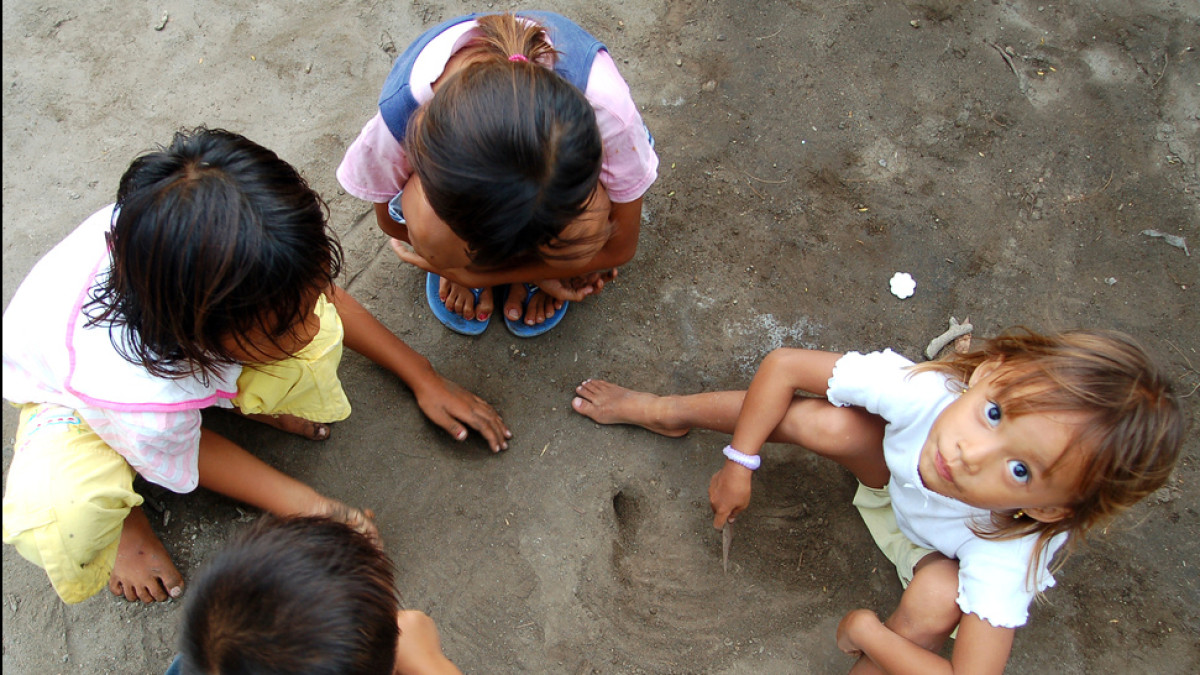
Children playing together. Illustrative photo.
flickr.com
Schools are meant to accommodate different learning paces
The Norwegian Directorate for Education and Training (Udir) is working on a new way of organising lessons in grades 1 and 2. It is considering, among other things, combining content from different subjects and allowing greater flexibility in structuring the school day. Schools are meant to better take into account that children learn and develop at different paces. Detailed curricula and the allocation of teaching hours have not yet been decided.
The first grade has changed over 20 years
Researchers at OsloMet examined what everyday life is like for the youngest pupils. In a project completed in 2024, they combined surveys, classroom observations and interviews with children, teachers and headteachers. They also compared responses from first-grade teachers in 2001 and 2021. Udir provides the final report and earlier parts of the study.
One difference concerned play initiated by the children themselves. In 2001, 7 out of 10 teachers said they devoted a great deal of time to it. In 2021, fewer than half gave that answer. Teacher-organised play, on the other hand, became more common. This is a comparison of teachers’ declarations, not a measurement of the minutes spent playing.
At the same time, school activities became more varied. Most of the first-graders surveyed felt good at school, enjoyed learning and made new friends. The findings therefore also show the strengths of starting school.
From a parent’s perspective, it is worth looking at what the school means by learning through play. A game with a set task offers a child different opportunities than inventing their own story, building something or jointly setting rules. There can be room for both forms during the school day.
Children want to learn letters and have someone to play with
In the part of the project involving observations of 15 first-grade classes, researchers asked pupils about their experiences. Most children wanted more play during the school day. At the same time, they were eager to talk about learning letters and their interest in Norwegian or mathematics.
Making friends was very important to them. For some children, starting in a group where they did not know anyone was difficult.
This offers guidance for parents: it is worth talking about the start of school through the lens of relationships as well. A child may be happy about a letter they have learned while also worrying about whom they will spend recess with. Both of these things affect how they experience their first weeks at school.
More time for playing together may give children more opportunities to get to know classmates and find their place in the class. This is a possible benefit of the planned changes. Their actual effects can only be assessed once the new rules have been introduced.
Lots of letters, too little reading aloud
The research included an observation that may be of particular interest to parents. A strong focus on learning letters may leave less time for writing and engaging with books. The researchers noted that teachers rarely read aloud to children.
Professor Elisabeth Bjørnestad of OsloMet, who led the project, said that shared reading should have a greater place in school. She linked it to developing an interest in books. In the case of multilingual children, she also stressed its importance in expanding vocabulary.
This is a particularly interesting conclusion for Polish families in Norway. Progress in language learning is easy to assess through what can be seen in a notebook: written letters, words read and completed exercises. It is also worth taking an interest in the books a child listens to, the stories they talk about and the words they are beginning to understand.
Reading together at home can provide an opportunity for such conversations. You can pause at an illustration, let the child predict what happens next or ask what they think about a character’s behaviour.
More play requires space and adults’ attention
The researchers noticed major differences between schools. In some of the classes observed, play was a regular part of the activities. In others, it appeared only occasionally. Some classrooms had little space and few play materials available.
The researchers therefore also recommended better facilities and more qualified educators. Among other things, they proposed having two educators in first-grade classes with more than 15 children. This is a recommendation by the study’s authors, not an adopted staffing requirement for classes.
A promise of more play therefore gives parents only part of the picture. It also matters whether children have somewhere to play. It is equally important whether an adult can notice a pupil standing on the sidelines and needing help to join the group.
Screens are already meant to take up less space
Some of the changes concern current pupils already. From August 2026, the curriculum for grades 1 to 4 states that digital devices should be used with particular caution. They should not dominate teaching. Udir also explains that implementing the curriculum does not require a separate device for every child.
The directorate recommends that technology leave room for movement, play and conversation. It also points to its usefulness for pupils who need additional support, for example those with difficulties in reading and writing. Details are provided in Udir’s guidelines on screens in grades 1 to 4.
When assessing the school day, it is therefore worth looking at specific activities. How much conversation, movement, independent work and work with the teacher do they involve? The mere presence of a tablet says very little about this.
What about children who have yet to start school?
Consultations on the organisation of grades 1 and 2 are open until 16 November 2026. Schools that wish to do so are expected to be able to introduce changes from autumn 2027. Udir indicates 2028/2029 as the date for all schools to be covered by the new regulations. Udir publishes the current timetable and a description of the planned changes.
Parents of future first-graders do not yet have a ready-made description of the new school day. However, the research suggests what they can already talk about with their child after lessons. Alongside asking what they learned, parents can ask about playing together, a story that was read or a friend they spent time with. Such answers help show how a child is finding their way in first grade.
Parents of future first-graders do not yet have a ready-made description of the new school day. However, the research suggests what they can already talk about with their child after lessons. Alongside asking what they learned, parents can ask about playing together, a story that was read or a friend they spent time with. Such answers help show how a child is finding their way in first grade.
How do you rate this article?