
17.11.2026 16:32
Norway proposes a higher pension age from 2029 for people born in 1967 or later
Under the Norwegian government’s proposal, people born in 1967 could start drawing their state pension about three months later than under today’s rules. Some people who leave work early after a long career could receive an extra NOK 34,000 a year at today’s rates. The plan is open for public consultation.

People born in 1967 would be the first affected by the proposed change. Illustrative photo.
Adobe Stock, standard licence
How the pension age would change
Today you can claim a Norwegian state pension from age 62 if you have earned enough pension rights. At 67, that early-claim earnings test falls away. You can keep working while drawing an old-age pension.
The government wants a standard pension age (normert pensjonsalder) for each birth year. It would rise by two-thirds of the increase in life expectancy. The earliest age for claiming would move with it. Read the government’s announcement.
The government wants a standard pension age (normert pensjonsalder) for each birth year. It would rise by two-thirds of the increase in life expectancy. The earliest age for claiming would move with it. Read the government’s announcement.
We are living longer, and most of us remain healthy for longer. Therefore, we must also work a little longer if the pension system is to be sufficient for our children and grandchildren.
Your birth year and the earliest age you could claim
These are the government’s estimates. The first column of ages is for people who have built up enough pension to draw it early.
The ages for younger generations depend on future life expectancy. When a pension has to cover more years, the annual payment is generally lower. Working longer and postponing your claim can increase it.
| Year of birth | Earliest claim | Standard pension age |
|---|---|---|
| 1966 or earlier | 62 | 67 |
| 1967 | about 62 years and 3 months | about 67 years and 3 months |
| 1976 | about 63 | about 68 |
| 1987 | about 64 | about 69 |
| Late 1990s | about 65 | about 70 |
Who could receive the early retirement supplement?
The proposed slitertillegg is for people who stop working after a long career and draw their full state pension early. The maximum is 0.25 G a year, about NOK 34,000 at today’s rate. G is the basic amount used to calculate Norwegian social security benefits. AFP membership would not be required.
The full rate would apply five years before the standard pension age, with 40 years of insurance. A shorter insurance record would reduce the amount. Each month of delay would cut the supplement by 1/36. At two years before the standard age, it would reach zero.
The full rate would apply five years before the standard pension age, with 40 years of insurance. A shorter insurance record would reduce the amount. Each month of delay would cut the supplement by 1/36. At two years before the standard age, it would reach zero.
- The government describes the earnings test as 35 years at 2.5 G or more, with at least 2 G in each of the last 10 years. Qualifying periods spent caring for someone can count.
- The draft uses completed income records. For a claim in 2030, it would check for 34 qualifying years up to 2028 and at least 2 G in each year from 2020 to 2028. The three-year income average could not exceed 7.1 G.
- After the claim starts, pensionable earnings above 0.25 G in a calendar year would permanently end the supplement. A lower limit of 0.125 G would apply in the first month.

The full supplement is to amount to around NOK 34,000 per year. Illustrative photo.Photo: Adobe Stock, standard licence
Other NAV benefits would follow the new age limits
The government also wants to raise the upper age limits for sickness benefit, unemployment benefit, work assessment allowance (AAP) and disability benefit.
People on disability benefit would move to an old-age pension at the new standard age and earn pension rights for three more years than under today’s rules. Before retirement, the guarantee pension and minimum pension rates would rise in line with wages.
People on disability benefit would move to an old-age pension at the new standard age and earn pension rights for three more years than under today’s rules. Before retirement, the guarantee pension and minimum pension rates would rise in line with wages.
If you have worked in more than one EEA country
The draft allows qualifying periods in another European Economic Area country to count towards the supplement. Under the proposal, six months of covered work in another EEA country could meet the annual 2.5 G test and five months could meet the 2 G test. See the ministry’s explanation of EEA periods (PDF).
State pensions from different countries can start on different dates. Each country calculates its share under its own rules. For example, Poland’s standard pension age is 60 for women and 65 for men. Check NAV’s guidance on retirement pensions.
State pensions from different countries can start on different dates. Each country calculates its share under its own rules. For example, Poland’s standard pension age is 60 for women and 65 for men. Check NAV’s guidance on retirement pensions.
Consultation closes on 17 February 2027
The current age limits still apply. The government plans to present a bill to parliament in spring 2027 and wants the new rules to apply from 2029. The proposal follows the cross-party pension agreement of 29 February 2024.
You can check your own forecast in NAV’s pension service. Read the proposal and consultation timetable.
You can check your own forecast in NAV’s pension service. Read the proposal and consultation timetable.
How do you rate this article?
Latest articles
-
 Working in a Norwegian kindergarten with a foreign degree
-
 Exhausted at work in Norway? How to ask for changes to your duties
-
 Lofoten mayor seeks drone restrictions around the Reinebringen trail
-
 98.8% of new cars registered in Norway in October were electric
-
 Isfjord Norway salmon processor goes bankrupt. What about the salaries of 300 employees and how much will NAV pay?
-
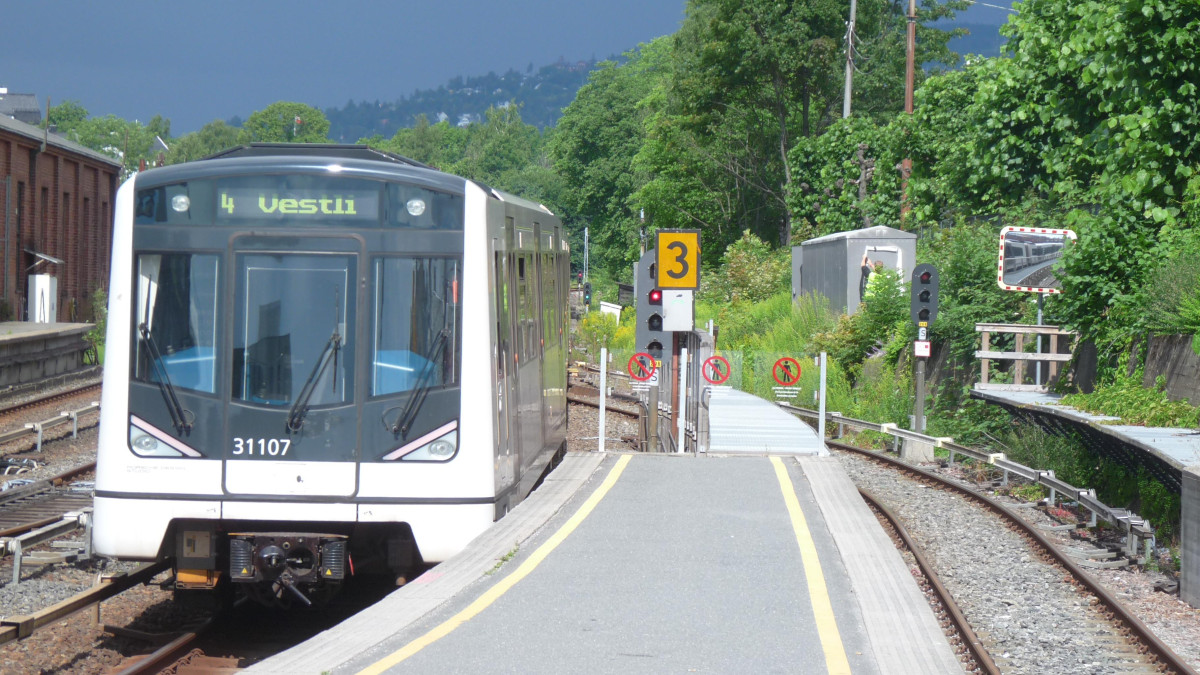 Almost the entire Oslo Metro closed from 19 to 22 November. How to get to the city centre