
Norway exports electricity despite low water reserves. Soaring energy bills in the background
Norway is entering winter with exceptionally low water levels in hydropower reservoirs. Despite this, the country continues to export large amounts of electricity to Europe. Experts warn that if the situation does not improve, electricity prices could reach levels that force some businesses to scale back their operations.
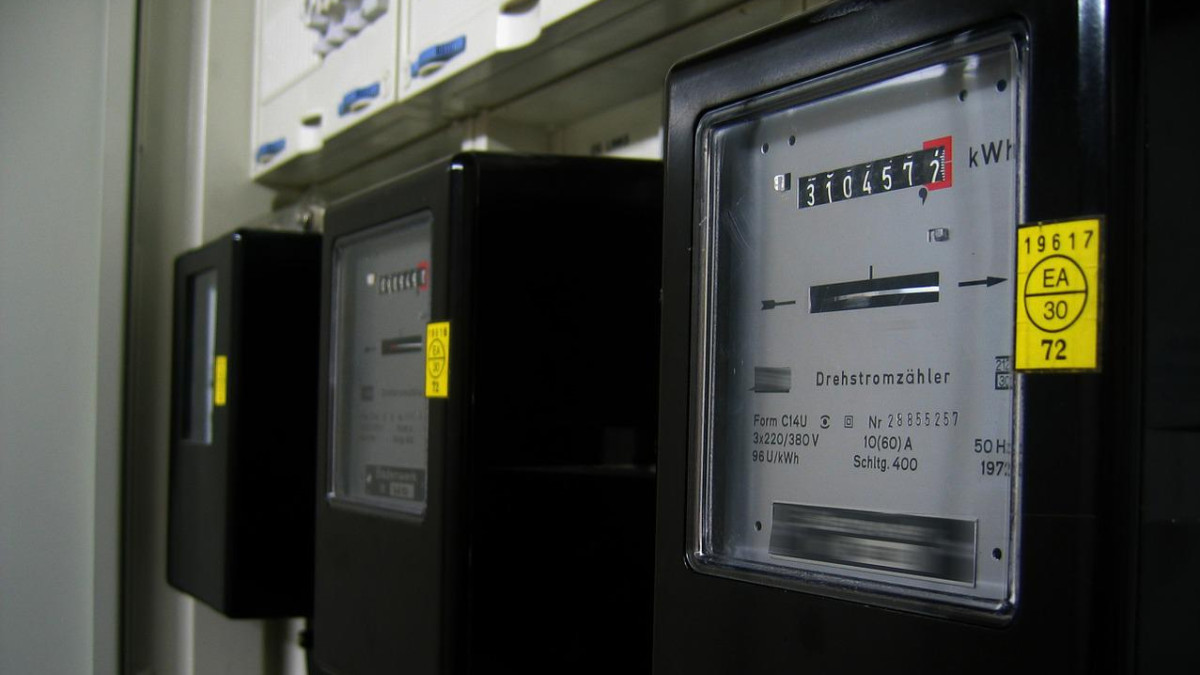
Electricity prices in Norway have risen sharply. The situation could be the most difficult in years.
Fot. zdjęcie poglądowe, Pixabay
November brought Norway its first severe frosts. As temperatures fell, energy consumption rose, and electricity prices set new records for three consecutive days. At the same time, the latest data show that water reserves in hydropower reservoirs in the south of the country are exceptionally low. The situation is further complicated by high energy prices in Europe, which encourage Norwegian producers to increase output.
Lowest water level in 20 years. Norway increases energy exports
The Norwegian Water Resources and Energy Directorate (NVE) reported a worrying situation in Norway's hydropower reservoirs in mid-November 2026. In the south of the country, stored water levels are at their lowest in at least 20 years, and data covering central Norway paint a similar picture. Despite limited reserves, producers have increased the use of hydropower plants. NVE explains that lower temperatures, rising energy consumption and high prices on the continent prompted companies to use water that could have been saved for the winter.
As a result, Norwegian electricity exports increased. Over two weeks, more than 1.1 TWh of electricity was sent in total to the United Kingdom, Germany and Denmark. At the same time, Norway imported significant amounts of energy from Sweden, but exports to the other countries were considerably higher. Grid operator data indicate that electricity sales abroad also continued in recent days, although a weekend change in weather reversed the direction of some flows.
As a result, Norwegian electricity exports increased. Over two weeks, more than 1.1 TWh of electricity was sent in total to the United Kingdom, Germany and Denmark. At the same time, Norway imported significant amounts of energy from Sweden, but exports to the other countries were considerably higher. Grid operator data indicate that electricity sales abroad also continued in recent days, although a weekend change in weather reversed the direction of some flows.
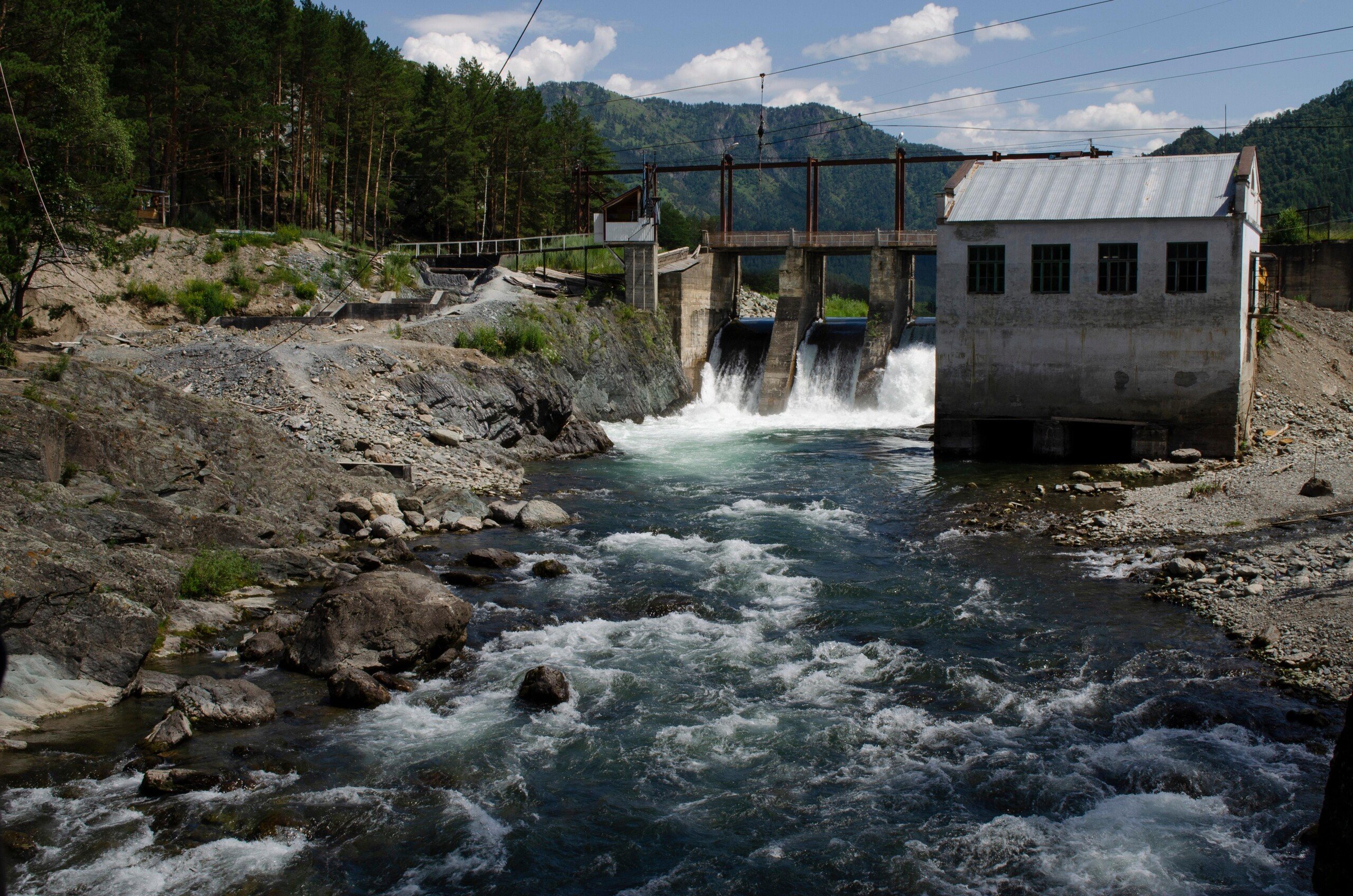
Norway's energy mix is based on a hydropower system.Photo: Adobe Stock, standard licence
Experts warn of soaring costs. Prices could exceed NOK 12 per kWh
Tor Reier Lilleholt, head of analysis at Volue Insight, is voicing growing concerns in Nettavisen. The expert currently puts the probability that market forecasts of falling energy prices will prove wrong in southern and eastern Norway at 20 percent. That is twice as high as it was recently. According to the analyst, a lack of sufficient inflow into reservoirs during winter could lead to a dramatic situation in spring. The average energy price could then approach NOK 4 per kWh and, if electricity rationing becomes necessary, exceed NOK 12 per kWh.
Kristoffer Sivertsen of the Progress Party (Frp), who sits on the parliamentary energy committee, is also critical of the current situation. The politician describes continued electricity exports at such low water levels as madness. He points out that energy prices in southern Norway have already reached nearly NOK 5 per kWh, which could pose a serious threat to businesses. In his view, Norway should first and foremost ensure that households and companies have access to sufficient energy at affordable prices. Sivertsen fears that further cost increases could lead some plants to suspend operations.
Kristoffer Sivertsen of the Progress Party (Frp), who sits on the parliamentary energy committee, is also critical of the current situation. The politician describes continued electricity exports at such low water levels as madness. He points out that energy prices in southern Norway have already reached nearly NOK 5 per kWh, which could pose a serious threat to businesses. In his view, Norway should first and foremost ensure that households and companies have access to sufficient energy at affordable prices. Sivertsen fears that further cost increases could lead some plants to suspend operations.
The situation on the European gas market remains an additional risk factor. Germany has already begun drawing on its reserves, whose current level corresponds to stockpiles usually seen at the beginning of February. Future energy prices in Norway may therefore depend not only on precipitation and temperatures, but also on the development of the conflict with Iran and the availability of gas and wind energy in Europe.
New SSB data. How much did electricity cost after subsidies?
The SSB data for the third quarter of 2026, published on 16 November, show why it is worth separating the price before government support from the cost borne by households.
Before subsidies: 201.6 øre per kWh. This was the average total cost of energy, grid charges and taxes. It was 44.7 percent higher than a year earlier.
After taking support into account: 123.4 øre per kWh. This average was 6.7 percent lower than a year earlier, but 4.7 percent higher than in the previous quarter.
The difference, or 78.2 øre per kWh, represents deducted support. It is not the final price. SSB includes a weighted average of assistance under Norgespris and the regular strømstøtte scheme.
These figures cover the whole country and a completed quarter. They do not describe every November bill or constitute a winter forecast. An individual bill depends, among other things, on consumption, the contract, grid charges and the chosen support scheme.
How do you rate this article?