NOK 40 billion in benefits from road tolls? Drivers to pay for location, time, and distance traveled
A road pricing system based on location, time, and distance traveled could bring Norway up to NOK 40 billion in socio-economic benefits. This is the conclusion of an analysis by the consulting firm Menon Economics, which examined the effects of 46 research projects on road traffic. The greatest impact is expected to come from reduced congestion, improved safety, and lower emissions.
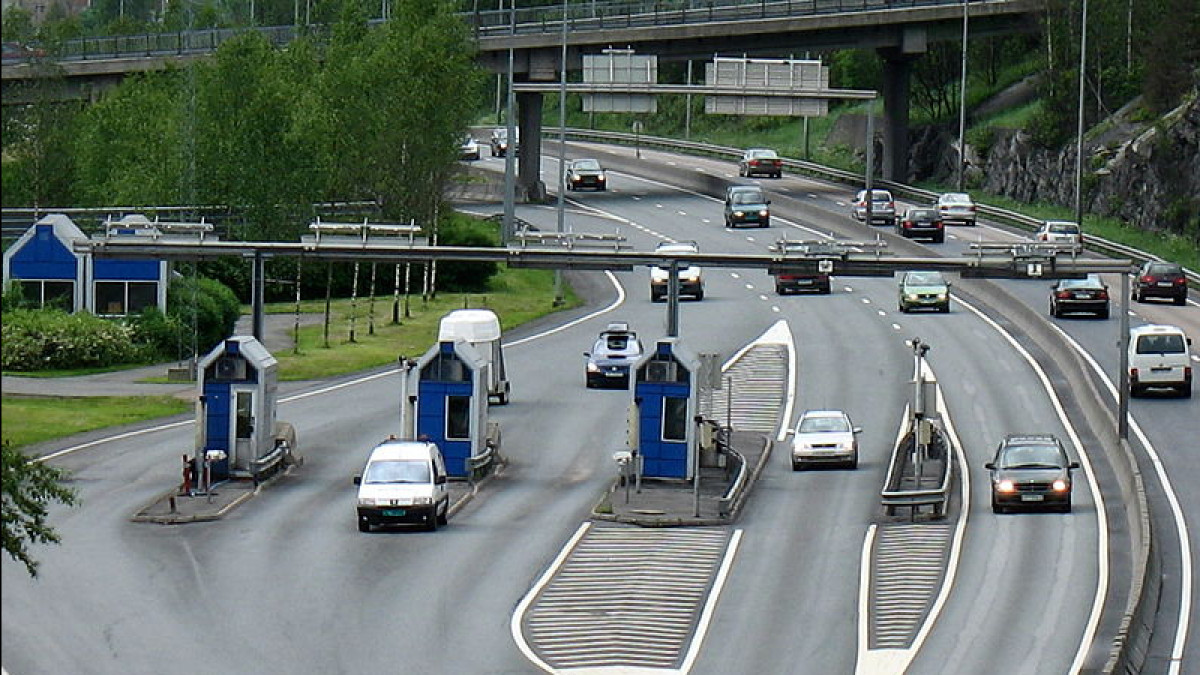
Road tolls are an everyday reality in many places in Norway.
Fot. wikimedia.org - Kjetil Ree - Creative Commons Attribution-Share Alike 2.5 Generic, 2.0 Generic and 1.0 Generic
Veiprising involves more precise calculation of road usage fees. The amount due would depend on the number of kilometers driven, the location and time of travel, as well as the level of pollution generated by the vehicle. The system would therefore differ from the current tolls collected at gates. Menon Economics points out that among the solutions analyzed, veiprising may be the most socially beneficial tool for managing road traffic.
Less congestion and lower emissions. Technology to change the way tolls are calculated
Potential benefits are expected from several areas. Research indicates that more precise tolls could reduce congestion while also improving road safety. Another element is lower emissions. Menon Economics also considers the possibility of exporting Norwegian technology related to such a system.
The project has been under development for several years. Participants include the Foundation for Industrial and Technical Research (SINTEF), the company Q-Free, and the Norwegian Public Roads Administration (SVV). The collaboration focuses on digital solutions that allow for more accurate calculation of tolls. The technology aims to enable more precise billing than the current road toll system.
The project has been under development for several years. Participants include the Foundation for Industrial and Technical Research (SINTEF), the company Q-Free, and the Norwegian Public Roads Administration (SVV). The collaboration focuses on digital solutions that allow for more accurate calculation of tolls. The technology aims to enable more precise billing than the current road toll system.

According to the plan, road tolls are to finance road investments as well as elements friendly to public transport, cyclists, and pedestrians.Photo: stock.adobe.com/standard license
Potential gains depend on politicians. Previous project was rejected
Menon Economics notes that the actual profitability of veiprising will largely depend on political decisions. The discussion about such a solution has previously sparked controversy. In 2025, the Oslo branch of the Progress Party criticized the city authorities’ plans to introduce veiprising. Party politicians argued that the new solution would mean additional burdens for drivers.
Earlier, the Labour Party and Centre Party government also analyzed their own proposals. In 2024, the cabinet with Finance Minister Trygve Slagsvold Vedum abandoned the veiprising project. The working group at the time proposed, among other things, tolls for electric cars based on annual mileage. For heavy vehicles, a road fee based on the number of kilometers driven in different urban zones and on roads outside cities was considered.
Earlier, the Labour Party and Centre Party government also analyzed their own proposals. In 2024, the cabinet with Finance Minister Trygve Slagsvold Vedum abandoned the veiprising project. The working group at the time proposed, among other things, tolls for electric cars based on annual mileage. For heavy vehicles, a road fee based on the number of kilometers driven in different urban zones and on roads outside cities was considered.
The 2024 proposals covered both electric cars and heavy transport. Vedum pointed out at the time that, in practice, this would mean increased road usage costs for electric car owners. The new analysis brings veiprising back into the debate, this time with an estimated potential benefit of up to NOK 40 billion.
How do you rate this article?