Language deficiencies may put patients at risk. Norwegian nurses reveal the scale of the problem
98.2% of nurses in Norway believe that insufficient knowledge of Norwegian among staff threatens patient safety. Some respondents have already encountered cases of harm to patients. The survey also included reports of deaths allegedly caused by language problems.
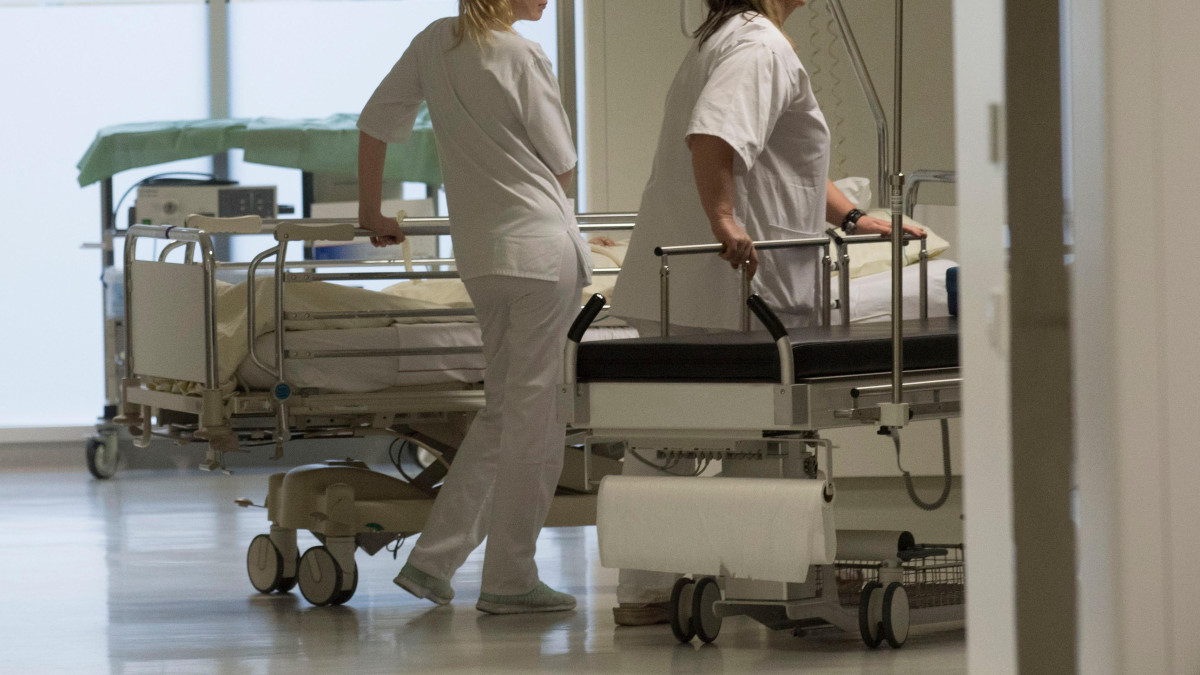
Norway's healthcare system is facing a major staff shortage.
Fot. stock.adobe.com/standardowa/elmar gubisch
The survey was conducted by the trade magazine “Sykepleien”. Between 1,100 and 1,200 nurses took part, assessing the consequences of their colleagues’ insufficient knowledge of Norwegian. The results point to frequent communication difficulties. These concern both the verbal transfer of information and the keeping of medical records.
Problems occur regularly. Patients may suffer the consequences
Most difficulties concern verbal communication. However, respondents point out that misunderstandings also arise when making entries in medical records and preparing written reports. For many people, this is a recurring problem. As many as 30% of respondents admit that every week they experience difficulties related to other nurses’ knowledge of Norwegian. Another 8% say that such situations occur daily.
Assessments of the risk vary. Among those who consider language deficiencies a risk to patients, 24% describe it as very high and 37% as high. The remaining respondents see some level of risk. At the same time, 15% of all respondents say they have encountered cases of harm to patients caused by language problems. Meanwhile, 1% of those surveyed point to situations in which communication difficulties allegedly led to a patient’s death.
Assessments of the risk vary. Among those who consider language deficiencies a risk to patients, 24% describe it as very high and 37% as high. The remaining respondents see some level of risk. At the same time, 15% of all respondents say they have encountered cases of harm to patients caused by language problems. Meanwhile, 1% of those surveyed point to situations in which communication difficulties allegedly led to a patient’s death.

Nurses even point to cases of patient deaths.Photo: stock.adobe.com/standard licence
Nurses’ union calls for changes. It points to language requirements
The Norwegian Nurses Organisation (NSF) has expressed concern about the survey results. The organisation’s president, Lill Sverresdatter Larsen, believes that lower language requirements cannot be accepted in certain areas of healthcare, especially in care for older people. In her view, changes are necessary. The NSF proposes introducing a transitional period that would allow employed staff to improve their Norwegian to a level that ensures safe care. Larsen also stresses that staff must be able to communicate clearly with both patients and colleagues.
The Norwegian Directorate of Health (Hdir) states that, as a rule, Norwegian healthcare requires Norwegian language skills at B2 level. Communication problems, however, have other consequences as well, as highlighted by survey participants. One of them is the additional work carried out by people with a good command of Norwegian, who have to deal with their colleagues’ language difficulties. Respondents also mention errors with no serious consequences. The study additionally includes situations described by “Sykepleien” as amusing.
The Norwegian Directorate of Health (Hdir) states that, as a rule, Norwegian healthcare requires Norwegian language skills at B2 level. Communication problems, however, have other consequences as well, as highlighted by survey participants. One of them is the additional work carried out by people with a good command of Norwegian, who have to deal with their colleagues’ language difficulties. Respondents also mention errors with no serious consequences. The study additionally includes situations described by “Sykepleien” as amusing.
The Norwegian Board of Health Supervision (Helsetilsynet) and Hdir do not keep detailed statistics on the scale of language problems in healthcare. According to “Sykepleien”, this means that the actual number of such cases may be higher than available information suggests. Siri Bentserud Wingerei, director of communications at Helsetilsynet, stresses that safe care requires staff to be able to understand patients and colleagues and provide them with comprehensible information.
How do you rate this article?