Inflation above target, economy still growing. What will Norges Bank do?
Companies in Norway expect output to increase by 0.3 per cent in both the third and fourth quarters. However, the latest data from Norges Bank's regional network do not settle what the next interest rate decision will be. Some economists believe that a rate hike remains possible.
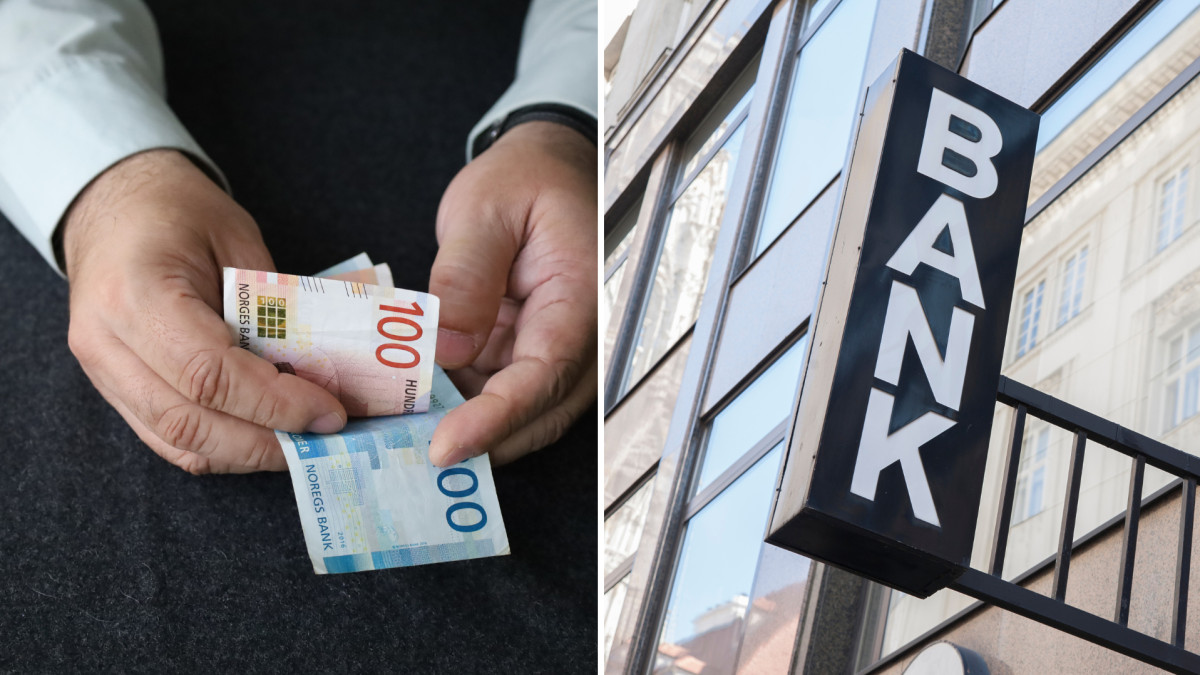
Norges Bank will make its interest rate decision on 24 September 2026.
Fot. Canva (zdjęcie poglądowe)
Norges Bank will make its interest rate decision next week. The current policy rate stands at 4.25 per cent, and economists have long wondered whether the central bank will raise it to 4.5 per cent. The regional network report is one of the last important sets of data before the meeting. It shows, among other things, companies' expectations regarding activity, wages and capacity utilisation.
Companies expect growth. Economists differ in their assessments
Businesses expect output to grow by 0.3 per cent in the third quarter. They forecast the same result for the final three months of the year, which, according to some economists, points to continued activity in the Norwegian economy. Companies also expect wages to rise by 4.5 per cent this year. In 2027, wage growth is expected to reach 4.0 per cent, in line with Norges Bank's forecasts.
Marius Gonsholt Hov, chief economist at Handelsbanken Capital Markets, still expects an interest rate hike. He points out that growth remains stable, although capacity utilisation is gradually declining. Full capacity utilisation is reported by 28 per cent of companies. Meanwhile, 17 per cent of businesses report recruitment difficulties, and the share of such companies has fallen.
Marius Gonsholt Hov, chief economist at Handelsbanken Capital Markets, still expects an interest rate hike. He points out that growth remains stable, although capacity utilisation is gradually declining. Full capacity utilisation is reported by 28 per cent of companies. Meanwhile, 17 per cent of businesses report recruitment difficulties, and the share of such companies has fallen.

Norges Bank's inflation target is for core inflation to fluctuate around 2.0 per cent.Photo: Adobe Stock, standard licence
Inflation remains high. The bank has arguments on both sides
Norges Bank's goal is for prices to rise by 2 per cent over the long term. However, data from Statistics Norway (SSB) showed that inflation stood at 3.3 per cent year-on-year in August, although the result was lower than the central bank's forecast. Hov also points to core inflation. According to him, it remains close to 3 per cent, despite the latest readings being lower than Norges Bank expected.
Kjersti Haugland, chief economist at DNB Carnegie, assesses the situation differently. In her view, Norges Bank may leave the rate unchanged and wait for further inflation data, potentially raising it in December. The report provides arguments for both decisions. The economy is still growing and household demand is increasing, but capacity utilisation is somewhat lower at the same time, and Norges Bank does not want to curb economic activity more than necessary.
Kjersti Haugland, chief economist at DNB Carnegie, assesses the situation differently. In her view, Norges Bank may leave the rate unchanged and wait for further inflation data, potentially raising it in December. The report provides arguments for both decisions. The economy is still growing and household demand is increasing, but capacity utilisation is somewhat lower at the same time, and Norges Bank does not want to curb economic activity more than necessary.
Before the report was published, the market priced in a 44 per cent probability of an interest rate hike, according to Bloomberg data cited by E24. The regional data therefore did not end the debate ahead of the meeting. The final decision will depend on how Norges Bank weighs persistent inflation against signs of weaker pressure in parts of the economy.
How do you rate this article?