"Green policy" destroying the industry? Technology can't keep up with new regulations
Norwegian construction entrepreneurs warn that increasingly strict requirements for zero-emission machinery are leading to costly and difficult solutions. The industry claims that technology is lagging behind regulations, and the situation is further worsened by weak market conditions.
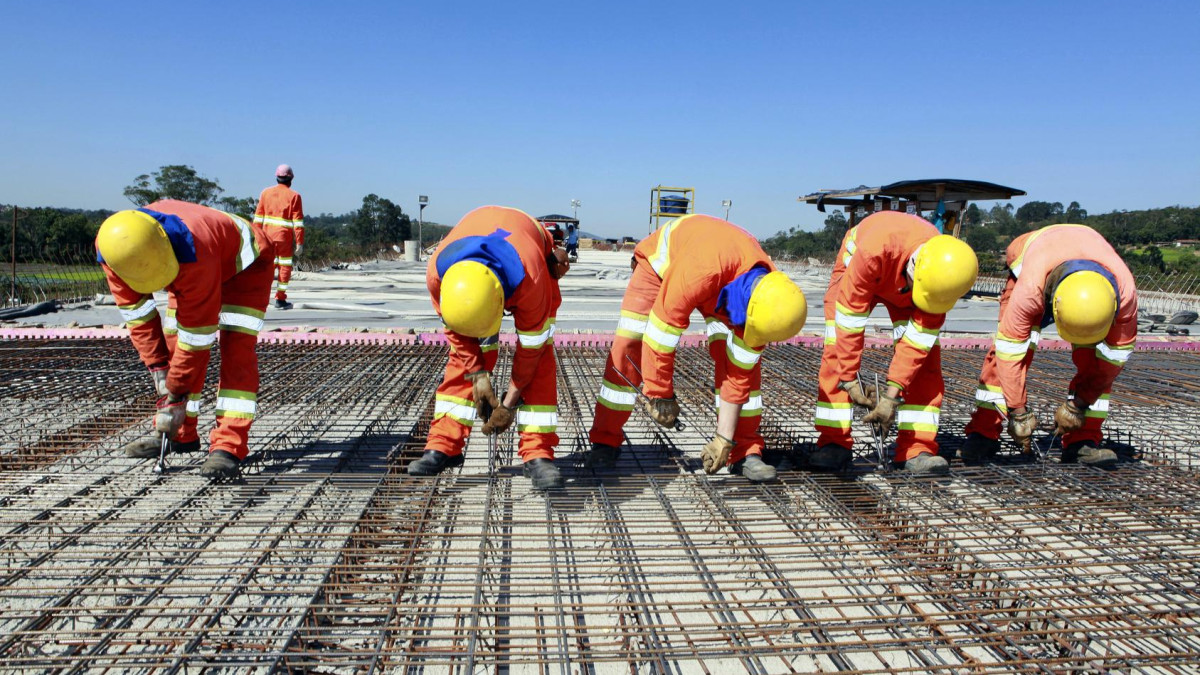
The requirement to use only zero-emission machines limits contractors' access to tenders.
Fot. Fotolia (zdjęcie poglądowe)
Many contractors report that the construction and infrastructure sectors are facing one of the deepest recessions in years. Sverre Huse-Fagerlie, head of the Norwegian Federation of Machine Entrepreneurs (MEF), emphasizes that the sector wants to move toward a green transition but needs time. He points out that requirements focusing solely on technology, rather than actual emissions, may weaken companies' competitiveness.
At the same time, rising machinery costs and limited charging infrastructure make the transition to zero-emission solutions more difficult. Entrepreneurs declare a strong determination to reduce CO2, but say more flexible rules are needed.
At the same time, rising machinery costs and limited charging infrastructure make the transition to zero-emission solutions more difficult. Entrepreneurs declare a strong determination to reduce CO2, but say more flexible rules are needed.
Consequences of regulations visible in practice
Market examples show that the effects of new regulations are already visible. A Norwegian company specializing in ground drilling, which changed its name to Green Transformation Ltd., is, according to the industry, just a symptom of a deeper problem.
The requirement to use electric or biodiesel-powered machines excluded the company from many tenders, even though their equipment was operational but diesel-powered. Additionally, purchasing new machines turned out to be too expensive without access to financing. Other companies are expected to find themselves in a similar situation, but fear public criticism of the regulations.
The requirement to use electric or biodiesel-powered machines excluded the company from many tenders, even though their equipment was operational but diesel-powered. Additionally, purchasing new machines turned out to be too expensive without access to financing. Other companies are expected to find themselves in a similar situation, but fear public criticism of the regulations.

The industry is seeing a growing number of reports about bankruptcies and job cuts.Photo: fotolia.pl
Oslo tightens rules, industry predicts consequences
By 2027, Oslo plans to extend the obligation to carry out construction work in zero-emission mode to the private sector as well. MEF points out that the local regulation being developed by the city may limit the number of contracts and force some companies to move their operations outside the region.
Entrepreneurs report that the regulations are costly and difficult to implement, especially for smaller companies. At the same time, only Oslo is working on such far-reaching regulations, while other municipalities have not yet announced similar initiatives. The industry emphasizes that conditions in the capital differ significantly from the rest of the country.
Entrepreneurs report that the regulations are costly and difficult to implement, especially for smaller companies. At the same time, only Oslo is working on such far-reaching regulations, while other municipalities have not yet announced similar initiatives. The industry emphasizes that conditions in the capital differ significantly from the rest of the country.
New investments under climate restrictions and rising costs
New public investments, such as the expansion of the E24/E45 near Alta, already operate under strict climate criteria, requiring contractors to use only zero-emission equipment. At the same time, the sector is struggling with a wave of bankruptcies, price pressure, and planned increases in road tolls for heavy vehicles.
Industry representatives emphasize that the new requirements are changing the way investments are carried out and affecting job stability. Rising financial burdens and regulatory uncertainty are becoming key factors that will shape the future of Norway's construction sector.
Industry representatives emphasize that the new requirements are changing the way investments are carried out and affecting job stability. Rising financial burdens and regulatory uncertainty are becoming key factors that will shape the future of Norway's construction sector.
How do you rate this article?