From 2027, a broader definition of a workplace accident. It will not cover earlier accidents
The expanded definition of a workplace accident (arbeidsulykke) is set to take effect on <strong>1 January 2027.<\/strong> It will not cover injuries or illnesses resulting from accidents that occurred before the change enters into force. According to the ministry, as cited by FriFagbevegelse, the change is particularly important for healthcare and care workers, as well as occupations involving frequent training and drills.
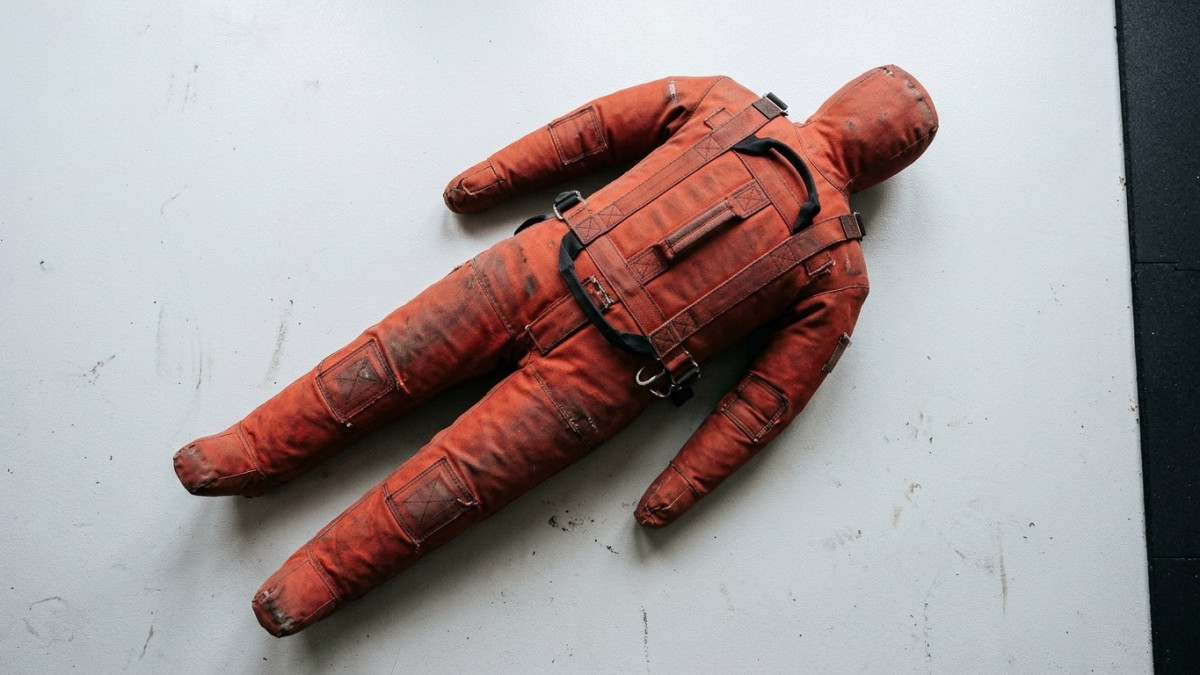
During exercises with a manikin, recognition of a workplace accident will no longer require the incident to be unexpected.
Zdjęcie wygenerowane przez sztuczną inteligencję
The incident does not have to be unexpected
The date for the change in definition has not been postponed, although the government has just announced a delay in work on a new list of occupational diseases. The Storting, Norway’s parliament, adopted the change itself on 12 June 2026. The amendment to the National Insurance Act (folketrygdloven) expands the definition of a workplace accident and clarifies how the burden of proof is allocated.
As consulting firm Crawford Consulting explains, the requirement for an incident to be “unexpected” (uventet) is being removed from the definition.
A specific, time-limited incident that causes physical or psychological strain will also be regarded as a workplace accident. The strain must result from a risk related to the work or workplace that is not entirely insignificant.
A sudden incident at work also counts
The new wording of the rules still covers a traditional accident. A workplace accident is considered to be a sudden external event to which the insured person was exposed while at work.
The date of the accident is decisive: if it occurred before 1 January 2027, the new definition does not apply.
Government aims for a new list before summer
The government had previously promised that the new list of occupational diseases (yrkessykdomslisten) would be ready by 1 January 2027, but it will not meet that deadline. The new target is for the list to enter into force before summer 2027.
The list determines whether an illness is recognised as occupational and whether it entitles a person to compensation for an occupational injury or illness (yrkesskadeerstatning).
The minister explains the delay by referring to the needs of the committee preparing the list. “It is important that it is right, which is why we are giving the committee the time it needs to provide us with good advice,” says Kjersti Stenseng, Minister of Labour and Inclusion, in a press release.
Compensation may be possible for a disease not on the list
A safeguard mechanism (trygghetsventil) is also expected to be introduced together with the new list. According to the announcement, it will make it possible to receive compensation for an illness that is not included on the list.
Once the ministry has prepared the list, NAV and insurance companies will still need to adapt their systems to it before it can take effect.
Text prepared using AI based on the sources cited in the article.
Sources: FriFagbevegelse, Stortinget, Crawford & Company (Crawford Consulting).
How do you rate this article?
Latest articles
-
 Weather turnaround in Norway. Temperatures to rise by as much as 30 degrees
-
 Norse: unpaid wages case may take 11 months. Advance payment for up to one month
-
 The final tax assessments for 2025 will arrive by 1 December. Check that everything is correct
-
 NAV will send letters: on 28 November to pensioners, on 5 December to disability benefit recipients. The helpline is closed at weekends
-
 One in five families with children in Norway has serious concerns. It is about Christmas
-
 Norway withdraws 11 variants of a well-known beverage. All imported from Poland