Fewer screens, more books. Norway prepares changes in schools
<em>First- and second-grade pupils are to learn more often in small groups, and the daily schedule is to make more room for play and movement. On 21 September, the Norwegian government announced changes intended to improve the teaching of reading, writing and arithmetic. It also wants to guarantee schools access to printed books. Some of the proposals still require legislative changes.<\/em>
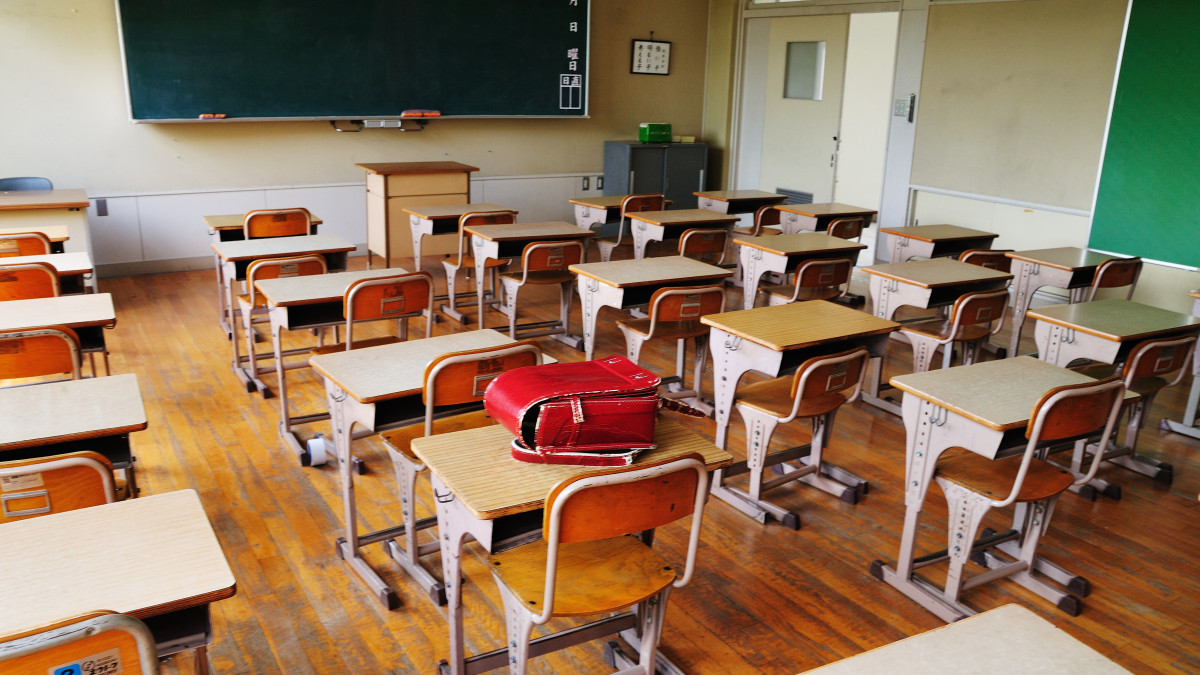
classroom
wikimedia.org
The government is responding to worsening student performance. The PISA 2025 results published on 8 September showed that 34% of Norwegian tenth-graders perform poorly in reading. Among boys, the figure is 41%. This refers to skills below the level considered in the study to be the minimum required for further education and working life. Education Minister Kari Nessa Nordtun acknowledged that the measures taken so far have not been enough to reverse the negative trend. The announced solutions are intended to allow teachers to devote more attention to individual children from the very beginning of their education.
Small groups for all pupils
The government wants to introduce a legal requirement to organise some lessons in smaller groups in grades 1–2. Learning in this format would take place for shorter periods, with schools deciding on the detailed organisation. The measure is intended to cover all pupils, not only children with difficulties. Nordtun explains that even pupils who are doing well need lessons tailored to their level. The aim is therefore not to divide a class permanently into better and weaker pupils, but to enable temporary work in a smaller team. The government is also announcing NOK 465 million in earmarked funding for teaching reading, writing and arithmetic in small groups.
More play and a possible change in the number of hours
The changes are also intended to affect how the first years of schooling are organised. The government is considering fewer teaching hours in first grade and more in second grade. At the same time, the youngest pupils would have more time for play, movement and physical activity. Shifting hours between grades remains a proposal, rather than a decided change to the timetable. Replacing the traditional division into subjects with broader learning areas is also being considered. The first year would more clearly serve as a transition between kindergarten and school. This does not mean abandoning the teaching of basic skills. Reading, writing and arithmetic are to be strengthened, but with a greater role for play.
Printed books are to be available in every school
A separate part of the changes is a statutory guarantee of access to printed educational materials in compulsory education schools, known as grunnskoler. The government sent the proposal for consultation as early as 19 June. It is intended to give teachers a genuine choice between paper and digital materials. This is not an announcement of a complete ban on tablets. The government wants to rebalance the use of screens and books. Nordtun also points to a benefit for parents: it is easier to look through a textbook together and help a child learn than to search for tasks on a screen. The minister believes that screens have displaced books, paper and pencils to too great an extent. New Norwegian-language curricula are also expected to provide more space for reading and writing.
Learning materials to be assessed by the state again
The government also announces the restoration of a state system for approving educational materials, which was abolished in 2000. Their quality would be assessed by specialists. The ministry wants to reduce the risk of unverified content being used in classrooms. Among the risks, it cites materials created using artificial intelligence. The announcement therefore concerns quality control of teaching aids, not only increasing the number of printed textbooks.
Daily reading and money for libraries
The September announcements complement earlier measures to promote reading. The government programme Leseløftet provides, among other things, for at least 15 minutes of daily reading in schools, greater availability of books, support for school libraries, and intensive reading instruction for pupils who struggle with it. The government announced that over four years it would allocate at least NOK 1 billion more than before to improving reading skills. The Tid for lesing initiative, meaning “Time for Reading”, planned for 2024–2030, is also continuing.
When will the changes reach schools?
There is no single date for the entire package to take effect. Some solutions still need to be translated into specific regulations and rules for organising school work. The proposal to guarantee pupils access to printed textbooks and other materials is being processed separately. It was sent for consultation in June. The government wants paper books to be a genuine alternative to digital materials, but this does not mean banning the use of tablets and computers in schools. For the other announced changes—including more frequent small-group learning in grades 1–2 and a new organisation of the first school years—the detailed rules and timetable are still to be determined.
How do you rate this article?