
Dark before and after work: How to take care of your sleep during autumn in Norway
A short day can make it harder to get up in the morning and maintain a regular sleep schedule. Norwegian recommendations include getting daylight exposure, keeping regular wake-up times and having a calmer evening. However, if fatigue is accompanied by a prolonged low mood or difficulty carrying out everyday tasks, it is worth speaking to a doctor.
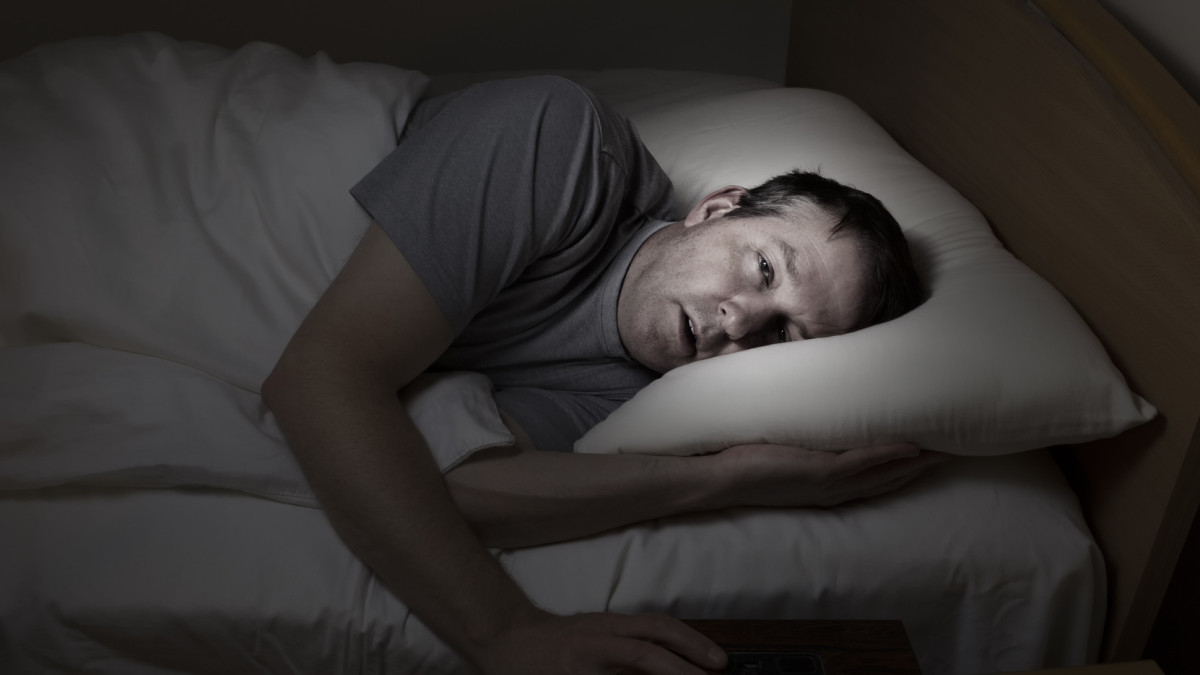
Sleep problems may worsen in autumn. Illustrative photo.
fotolia
Light helps set your daily rhythm
Astronomical polar night, the period without a sunrise, affects northern Norway. In Oslo and Bergen, the sun still rises in winter, but people working indoors may spend almost all of the daylight hours inside.
Helsenorge, the public health information portal, recommends around half an hour of daylight in the morning. This is a signal that helps the body recognise the start of the day. If it is still dark when you leave for work, try to find an opportunity to go outside later, even if only during a break.
Another rule is to keep a similar bedtime and wake-up time, including at weekends. If you have trouble falling asleep, the portal recommends limiting caffeine in the afternoon and evening and avoiding long naps.
Sleep recommendations also include putting screens away about an hour before bedtime and exercising regularly. However, intense exercise just before going to bed may make it harder to fall asleep.
A light therapy lamp must be used at the right time
Helse Bergen explains that light has a major impact on our biological clock. It can shift sleep timing, but the direction of this change depends on when the exposure occurs. Therefore, the time at which a light therapy lamp is used matters for its effect.
In an article about the circadian rhythm, specialist Bjørn Bjorvatn stresses that light used at the wrong time can worsen symptoms. Its intensity and duration also matter.
If sleep problems persist, it is worth discussing how to use the lamp with a fastlege, or general practitioner. This is especially useful when falling asleep and waking up differ significantly from your usual daily schedule.
Fatigue is not always caused by the season
Helsenorge lists persistent low mood, loss of interest and reduced energy among the symptoms of depression. What matters is how long they last and how they affect your life.
You do not have to wait until spring if it is becoming increasingly difficult to work, manage your home or meet with others. The portal recommends seeking help if symptoms last for more than 2 weeks, worsen or make everyday functioning difficult.
A fastlege may be the first point of contact. Some municipalities also offer Rask psykisk helsehjelp, free support without a referral for anxiety disorders, mild to moderate depression and sleep problems. You can find information about availability on your municipality's website. Helsenorge describes these options in its guide to depression in adults.
How do you rate this article?