Dangerous drone flight in the Lofoten Islands. This technology is set to help airports
A drone flight near the airport in Svolvær sparked a reaction from the pilot community. The device was launched near the fence just as a Widerøe passenger plane was preparing for takeoff. The Norwegian Pilots' Association (Pilotforbundet) wants to use this incident to discuss tightening aviation safety measures.
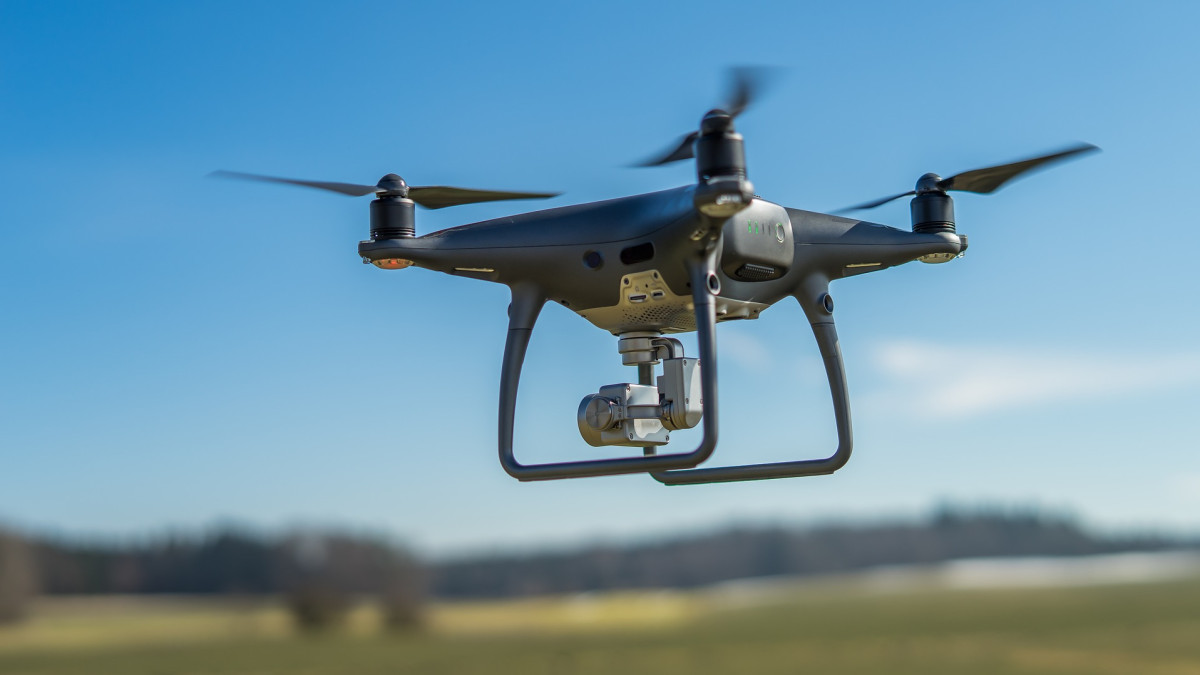
Although Norwegian drone regulations are clear, many people still do not follow them.
Fot. Pixabay (zdjęcie poglądowe)
The drone was operated by a foreign tourist. Jens Salt, head of aviation safety at Pilotforbundet, points out that a collision between such a device and an airplane could damage the engine or control system. The risk is especially high during takeoff and landing. Helicopters, which often fly at altitudes also used by drones, may be even more at risk.
Witness identified the pilot. Police did not intervene a second time
Ask Johansen noticed the drone flight and notified the control tower and police, according to NRK. Later, he again located the man and a car with Finnish license plates, providing authorities with his location and direction of travel. He also had a recording of the flight and a photo of the operator. According to Salt, the police therefore had information that would have allowed them to take further action quickly.
The police describe the course of events differently than their records indicate. The head of the Svolvær police station, Andreas Bjørnstad, reported that a patrol responded to the first report but found neither the drone nor its operator. During the next report, officers were engaged in another task. The information was sent directly to the patrol, so it was not recorded as a separate incident in the police system.
The police describe the course of events differently than their records indicate. The head of the Svolvær police station, Andreas Bjørnstad, reported that a patrol responded to the first report but found neither the drone nor its operator. During the next report, officers were engaged in another task. The information was sent directly to the patrol, so it was not recorded as a separate incident in the police system.
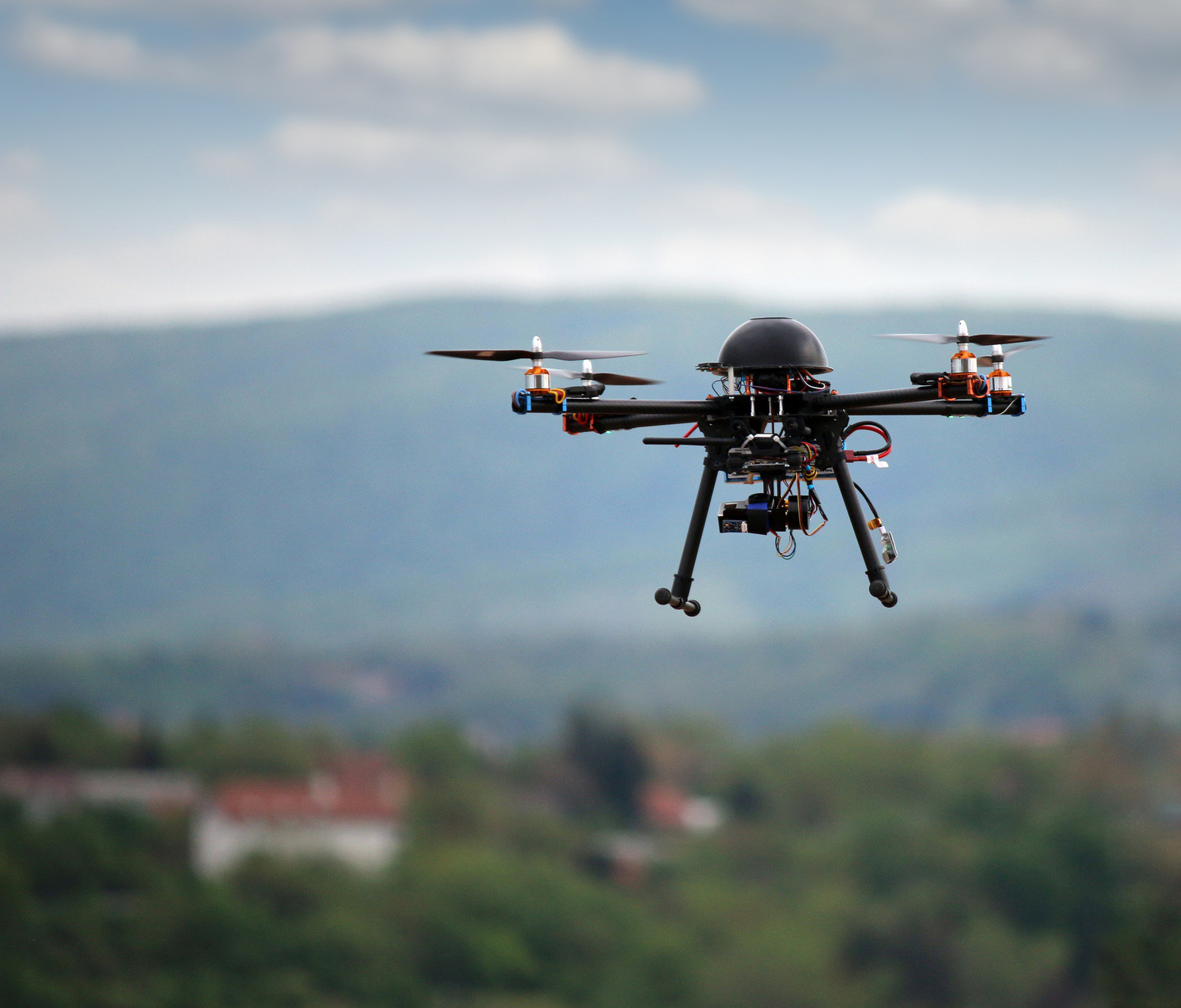
This is not the first time drones have posed a danger near Norwegian airports.Photo: Fotolia
Pilotforbundet wants Remote-ID. The issue will be discussed at a conference
Salt believes that technological solutions are also needed. One of them is Remote-ID, which allows information identifying the drone and its owner to be transmitted. According to the Pilotforbundet representative, simple antennas could be installed at short takeoff and landing airports to receive such data. The alternative is much more expensive radar and detection systems, which can cost several million for a single airport.
Pilotforbundet also points out the need for marking no-fly zones. Not all airport fences have signs informing about drone restrictions, and the police note that many detained operators are tourists unfamiliar with local rules. The Norwegian Civil Aviation Authority (Luftfartstilsynet), together with Pilotforbundet, is organizing an annual conference on safe drone integration at Gardermoen in November. The Svolvær incident will be discussed there as an example of problems at the intersection of manned and unmanned aviation.
Pilotforbundet also points out the need for marking no-fly zones. Not all airport fences have signs informing about drone restrictions, and the police note that many detained operators are tourists unfamiliar with local rules. The Norwegian Civil Aviation Authority (Luftfartstilsynet), together with Pilotforbundet, is organizing an annual conference on safe drone integration at Gardermoen in November. The Svolvær incident will be discussed there as an example of problems at the intersection of manned and unmanned aviation.
The meeting will also be attended by the police, Avinor, and representatives of both manned and unmanned aviation. Pilotforbundet wants to use the Svolvær case to discuss joint procedures and new technical solutions. The goal is the safe operation of airplanes and drones in the same airspace.
How do you rate this article?