Construction alarm in Norway. They want to relax regulations to increase housing supply
The Christian Democratic Party is calling for a complete review of technical building requirements to speed up housing construction in Norway. The industry warns there is no time for lengthy analyses and expects immediate government action.
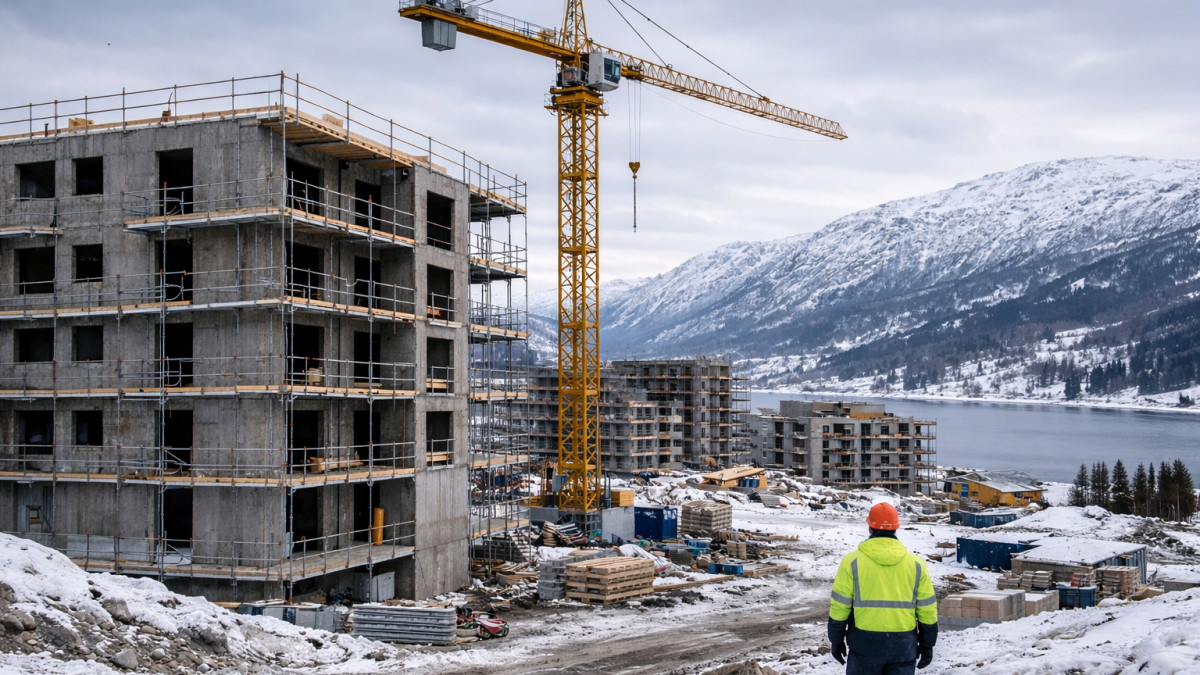
The minister admits that more construction activity is needed.
Fot. Wygenerowano przy pomocy AI
Norway's construction sector is struggling with rising costs and high interest rates. Demand for new homes has clearly dropped. In January, sales of new units fell by 31 percent. The housing crisis has continued for the fourth year. In this situation, the Christian Democratic Party announces it will submit a proposal to change technical regulations for buildings.
Christian Democratic Party wants changes in technical regulations
Party leader Dag-Inge Ulstein announced in an interview with E24 that a proposal would be quickly submitted to parliament. The goal is to significantly reduce construction costs. The party advocates for simplifications and the removal of unnecessary requirements. It also wants to harmonize regulations with those in other Nordic countries. Ulstein emphasizes that the review should gain broad support in the Norwegian parliament.
The current technical regulation to the Planning and Building Act sets minimum requirements for buildings in Norway. It regulates issues of safety, health, accessibility, and energy efficiency. It includes provisions on fire protection, construction, and natural hazards such as flooding, landslides, or radon. It also covers requirements for ventilation, access to daylight, acoustic insulation, and energy parameters.
The current technical regulation to the Planning and Building Act sets minimum requirements for buildings in Norway. It regulates issues of safety, health, accessibility, and energy efficiency. It includes provisions on fire protection, construction, and natural hazards such as flooding, landslides, or radon. It also covers requirements for ventilation, access to daylight, acoustic insulation, and energy parameters.
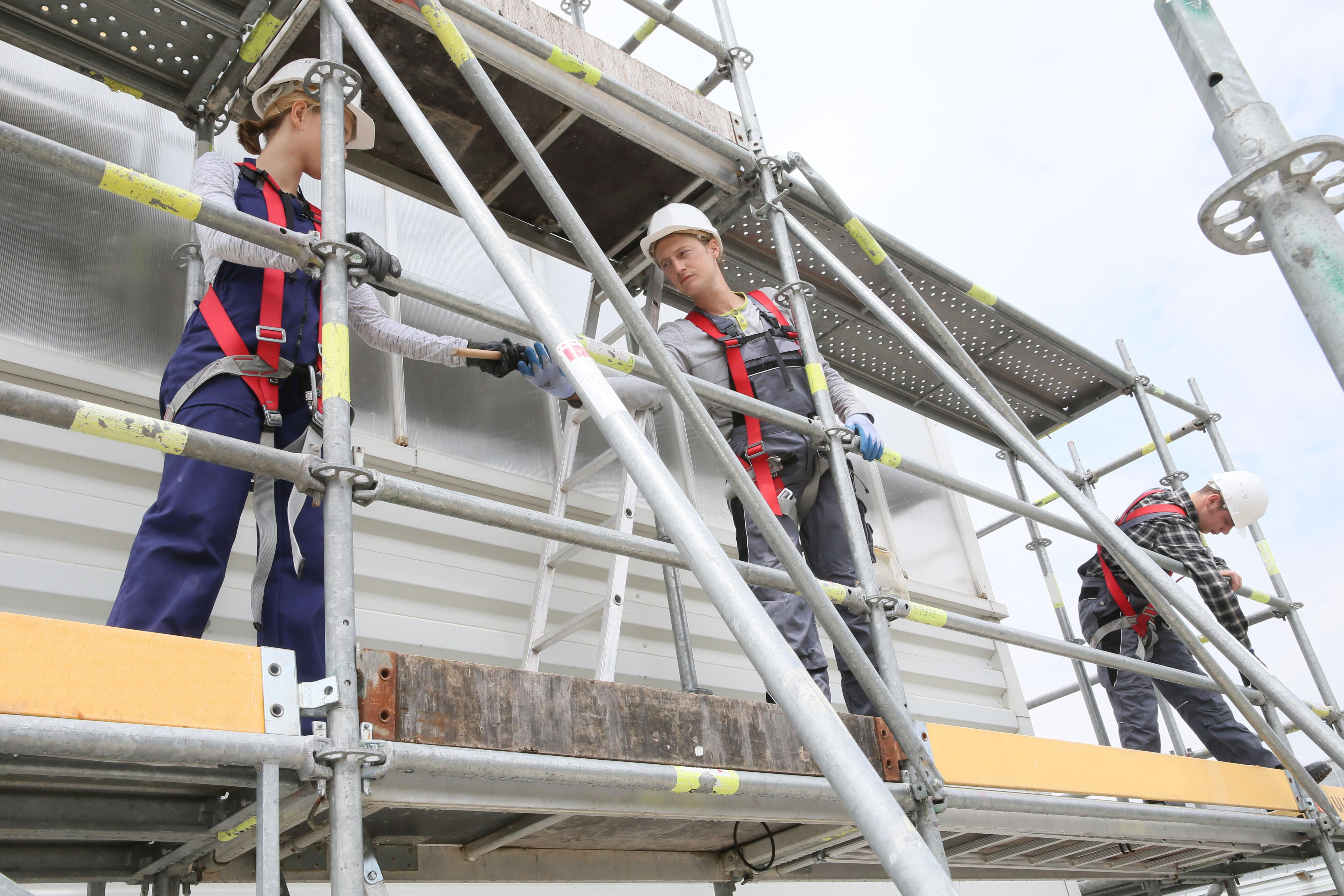
Decisions in the coming months may affect the pace of investments.Photo: adobe stock/ standard license
Industry: quick decisions needed
The Norwegian Home Builders' Association has reported the weakest January figures in 16 years. The indicators concern both sales and new investments. The market will not recover on its own. The biggest challenge remains construction costs. Director Lars Jacob Hiim supports the party's initiative but notes that a full review of the regulations may take too long.
The industry expects the implementation of the so-called list of 72 proposals. It was developed in six weeks by a task force appointed by the government. Hiim points out that the government has been analyzing it for over eight months. Minister for Local Government and Regional Development Bjørnar Skjæran reports that work on more than half of the actions is already underway. He announces further digital solutions and an expansion of the credit framework of the state housing bank.
The government maintains its goal of building 130,000 homes by 2030. The minister admits that construction activity must increase for the plan to be realistic. Representatives of the building materials industry point to the impact of high interest rates. They warn that a possible increase in rates after wage negotiations could further weaken the market. They propose, among other things, tax relief for thermal modernization, simplified conversion of commercial buildings into housing, and increased funding for the state housing bank.
The industry expects the implementation of the so-called list of 72 proposals. It was developed in six weeks by a task force appointed by the government. Hiim points out that the government has been analyzing it for over eight months. Minister for Local Government and Regional Development Bjørnar Skjæran reports that work on more than half of the actions is already underway. He announces further digital solutions and an expansion of the credit framework of the state housing bank.
The government maintains its goal of building 130,000 homes by 2030. The minister admits that construction activity must increase for the plan to be realistic. Representatives of the building materials industry point to the impact of high interest rates. They warn that a possible increase in rates after wage negotiations could further weaken the market. They propose, among other things, tax relief for thermal modernization, simplified conversion of commercial buildings into housing, and increased funding for the state housing bank.
How do you rate this article?