Beaches in Norway: More Buildings, Fewer Places to Relax
The Norwegian coastal zone is becoming less and less accessible to residents. Statistics Norway (SSB) reports that 32 percent of the coastline is now developed in a way that limits public access. In 2025, 88.4 percent of construction applications in the zone were approved.
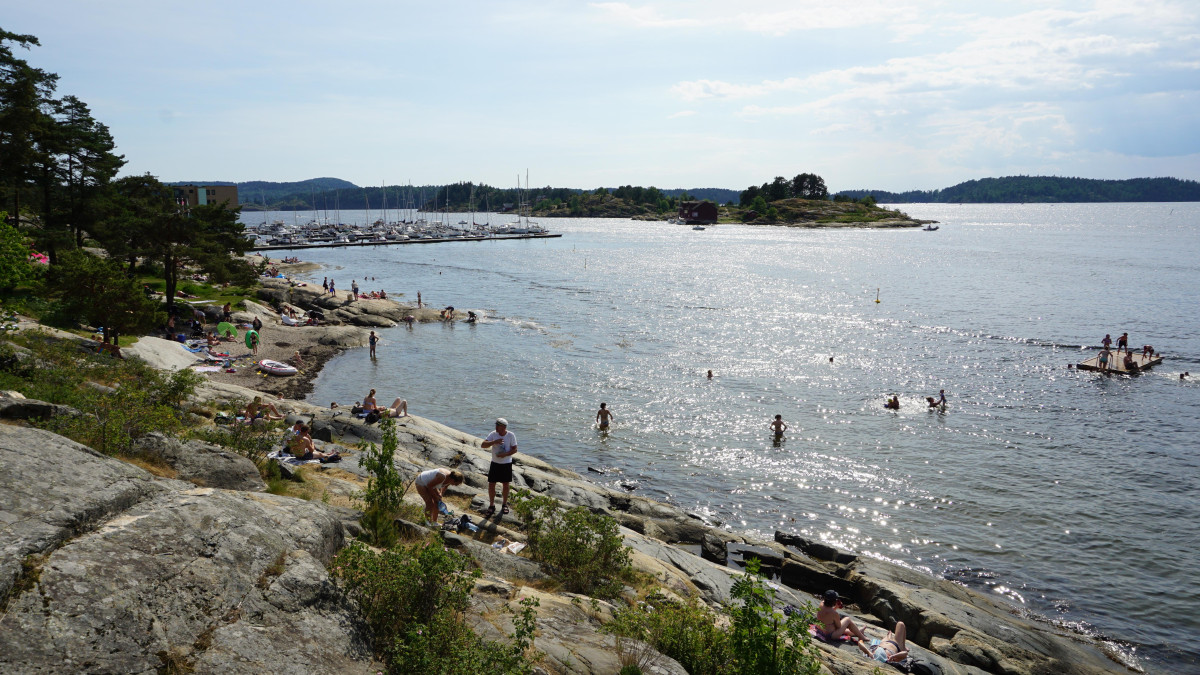
Fewer and fewer locations are considered freely accessible for people.
Fot. Adobe Stock, licencja standardowa (zdjęcie poglądowe)
The coastal zone covers the area from the shoreline up to 100 meters inland. The right of public access applies here, and construction is generally not allowed. However, SSB data show a systematic decline in accessibility. Currently, less than 70 percent of the zone is accessible to people. The greatest restrictions are in the south and east of the country, especially in the Oslofjord region.
The Coast Is Disappearing. Buildings Are Appearing by the Shore
Accessibility depends on the region. The national average is raised by regions in the north and west, where the coastline is long compared to the number of residents. The situation is different in more densely populated parts of the country. In Akershus, 71 percent of the coastal zone is inaccessible.
The municipality also matters. SSB points out that even in districts with high overall accessibility, there are places with very limited access to the shore. The lowest score is in Vestby in Akershus, where only 21 percent of the coastal zone is potentially accessible. Second place goes to Kvitsøy in Rogaland, with 22 percent.
The municipality also matters. SSB points out that even in districts with high overall accessibility, there are places with very limited access to the shore. The lowest score is in Vestby in Akershus, where only 21 percent of the coastal zone is potentially accessible. Second place goes to Kvitsøy in Rogaland, with 22 percent.
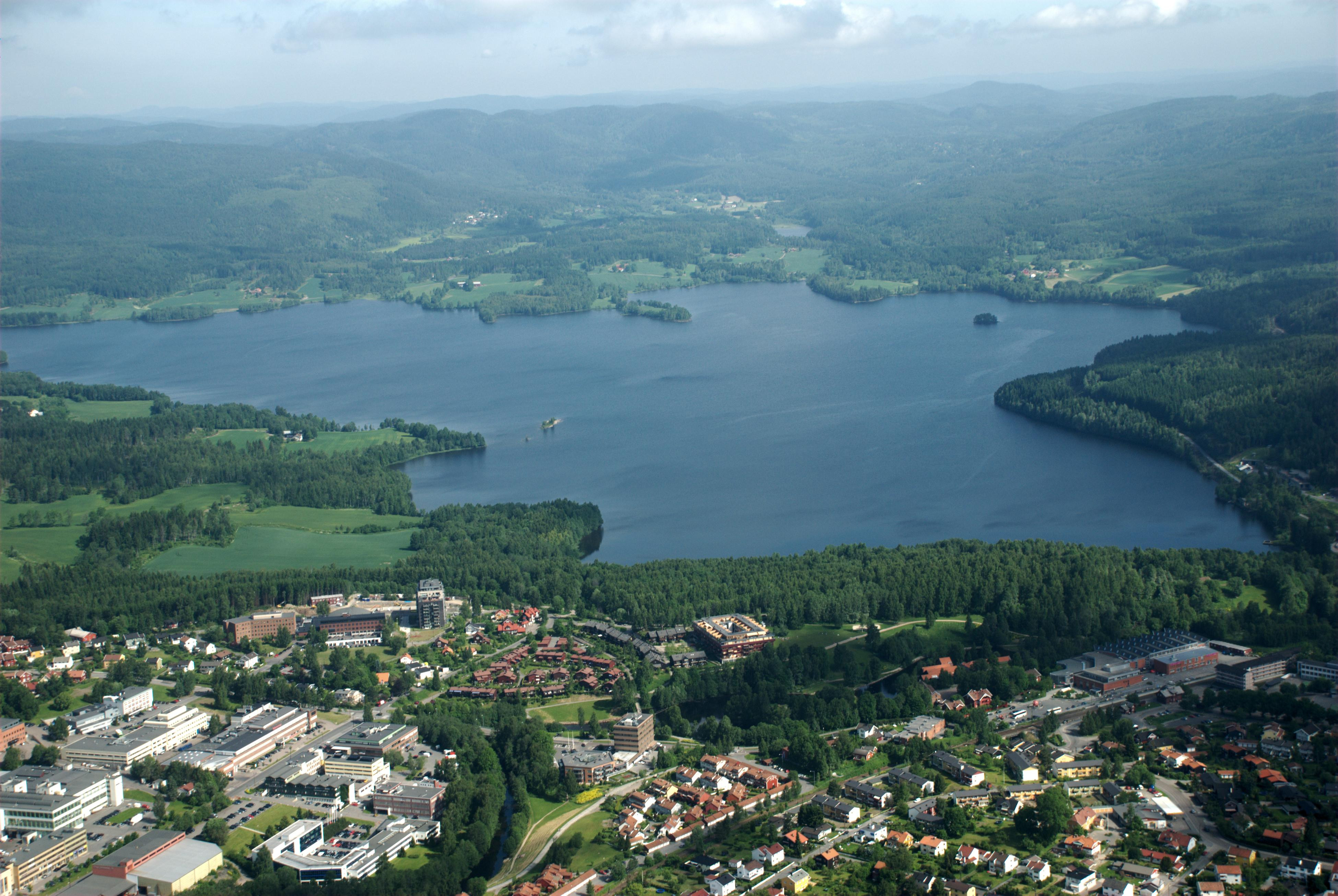
SSB notes that development is also appearing near other bodies of water.Photo: wikimedia.org/ photo: Arsenikk/ CC BY-SA 2.0
Lakes Also Under Pressure. Few Applications Are Rejected
Areas near freshwater bodies are not included in the coastal zone. SSB describes them as the zone of watercourses and reservoirs, meaning land up to 100 meters from lakes and larger rivers. Accessibility is higher there. In 2025, it was 89 percent and has hardly changed since 2000.
The picture is different for the largest lakes. In the zone around the six largest bodies of water, only Femunden scores above the national average, with accessibility at 91 percent. The lowest is Randsfjorden, where only 42 percent of the zone by the water is accessible to the public.
The picture is different for the largest lakes. In the zone around the six largest bodies of water, only Femunden scores above the national average, with accessibility at 91 percent. The lowest is Randsfjorden, where only 42 percent of the zone by the water is accessible to the public.
In 2025, authorities received 999 construction applications for the coastal zone. 883 positive decisions were issued for applicants. In the zone of watercourses and reservoirs, 331 out of 359 applications were approved. This means 92.2 percent of decisions were positive, with a high approval rate in all districts.
How do you rate this article?