A year and a half of talks and no solution. The pay dispute in Norway continues
Norwegian trade unions and employers' organisations have failed to reach an agreement on overtime pay for part-time workers. The working group, which had been dealing with the issue since April 2025, concluded its work without a joint proposal. Minister of Labour Kjersti Stenseng admits that she had expected more progress.

Employers do not agree with the proposed legal changes.
Fot. stock.adobe.com/standardowa/Andrey Popov
The dispute concerns hours worked beyond the hours specified in the contract of a part-time employee. The Norwegian Confederation of Trade Unions (LO) wants to change the current practice, while the Confederation of Norwegian Enterprise (NHO) points to possible consequences for costs and work organisation. The positions remain far apart. The report prepared by labour market representatives contains no joint solution, despite this being exactly what the Minister of Labour had expected from the group.
The dispute continues. Courts have already issued their first rulings
Norway incorporated the EU directive on part-time work into its legislation in 2005. In 2023 and 2024, the Court of Justice of the European Union ruled in two cases that the lack of overtime pay for work performed beyond the agreed working hours may constitute unlawful unequal treatment of part-time employees. The rulings also affected cases in Norway. In 2026, two Norwegian district courts granted employees the right to back pay for additional hours worked during the previous three years.
One case concerns a Coop Bygg employee, while the other concerns an employee at Sykehuset Innlandet hospital. However, both rulings have been appealed, and are therefore not final. The government established a working group in April 2025 to determine how Norwegian rules on compensation for additional work should change. After a year and a half, the parties have still not reached an agreement.
One case concerns a Coop Bygg employee, while the other concerns an employee at Sykehuset Innlandet hospital. However, both rulings have been appealed, and are therefore not final. The government established a working group in April 2025 to determine how Norwegian rules on compensation for additional work should change. After a year and a half, the parties have still not reached an agreement.
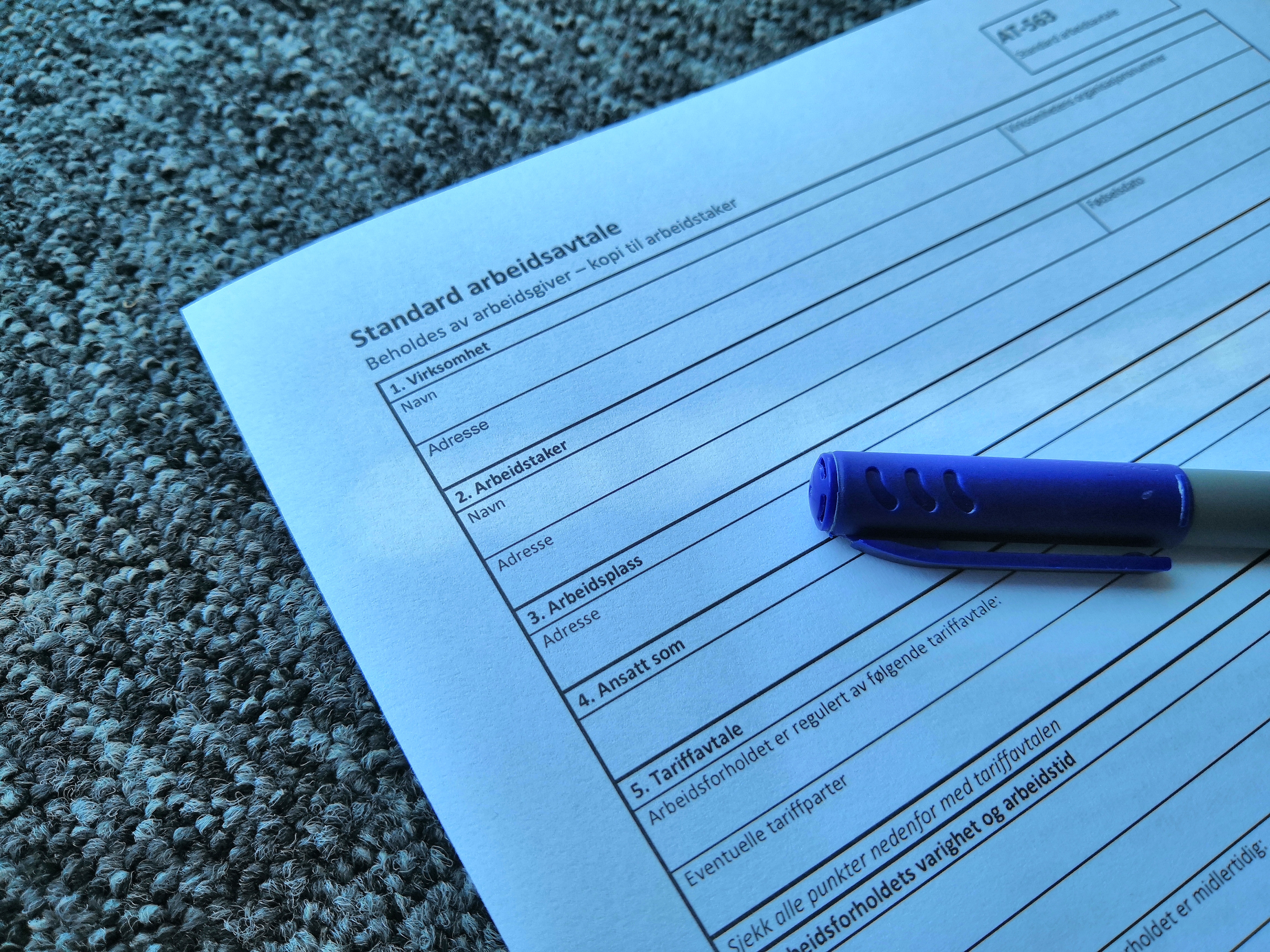
Norway has not resolved the overtime dispute. Part-time workers are still waiting.Photo: MN
Employers warn. LO wants to change the practice
NHO Director Ole Erik Almlid points out that working time rules are linked to other regulations in the Norwegian labour market. In his view, introducing an overtime supplement for every hour worked beyond contracted hours, without other changes, could increase business costs and limit workforce availability. He points, among other things, to people exercising their right to reduced working hours, students working part-time, and the possibility of swapping shifts. NHO therefore wants the issue to be considered as part of broader changes.
LO takes a different position. The organisation's deputy chair, Henriette Jevnaker, argues that the current practice must be changed first, and that the resulting problems can be addressed afterwards. The Norwegian Association of Local and Regional Authorities (KS), which represents Norwegian municipalities and regions, also objects. The issue is particularly important for the healthcare sector, where part-time work is widely used. KS Director of Labour Market Affairs Tor Arne Gangsø believes that the government should use the legal options available and indicate the way forward.
LO takes a different position. The organisation's deputy chair, Henriette Jevnaker, argues that the current practice must be changed first, and that the resulting problems can be addressed afterwards. The Norwegian Association of Local and Regional Authorities (KS), which represents Norwegian municipalities and regions, also objects. The issue is particularly important for the healthcare sector, where part-time work is widely used. KS Director of Labour Market Affairs Tor Arne Gangsø believes that the government should use the legal options available and indicate the way forward.
The ministry indicates that much points to the need for legislative changes. Kjersti Stenseng announced that she would seek assistance from external experts, who are to advise on what the new solutions could look like. Until the matter is resolved, employers are required to apply the regulations currently in force in Norway.
How do you rate this article?