What’s Next for Electricity in Norway? Storting Accelerates Legislation Process
The Norwegian Storting is accelerating actions regarding the power grid. Parliament is pushing for new solutions after Statnett (the transmission system operator) halted power reservations for large industries in the north of the country. Politicians want faster infrastructure expansion and better use of existing energy connections.
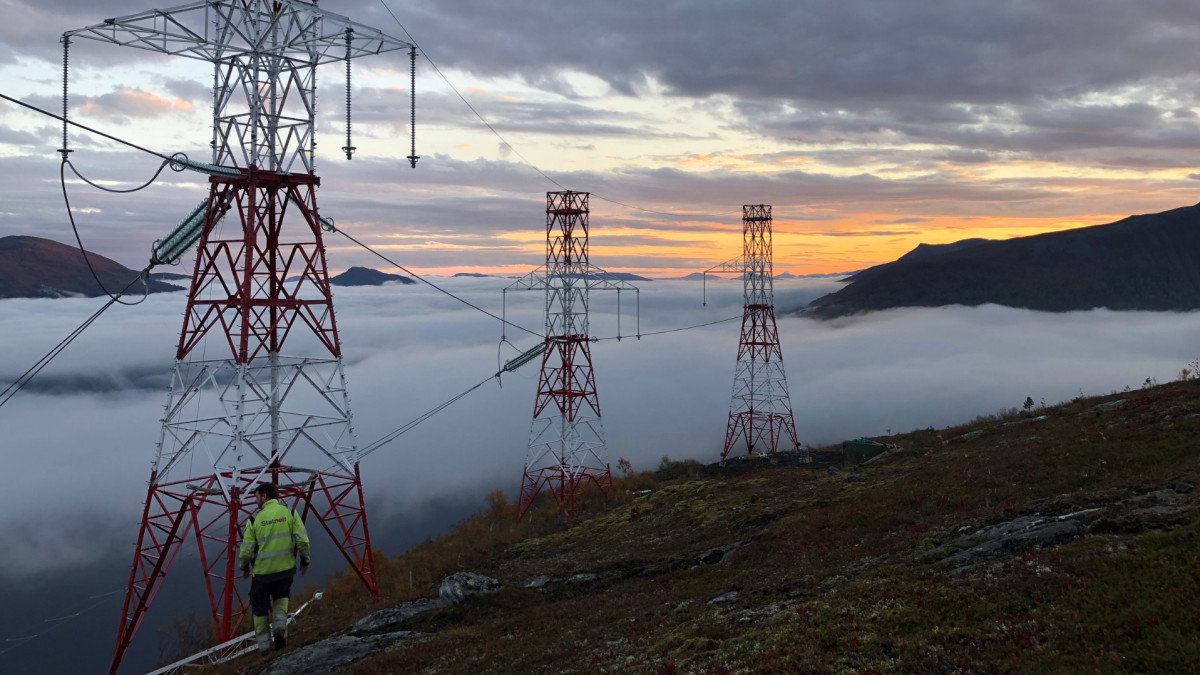
Statnett is the national power grid operator in Norway.
Fot. materiały prasowe Statnett
Norway’s transmission grid is overloaded in many regions. Companies and institutions are being denied access to electricity due to a lack of available capacity. The problem has even affected the submarine base in Ramsund in northern Norway. Now, a majority in the Storting’s energy committee has backed a package of new measures for the transmission network. The vote is scheduled for May 19.
Parliament Wants Faster Grid Expansion
Conservative Party representative Aleksander Stokkebø criticized the government in Nettavisen for its lack of effectiveness in energy policy. According to him, the current situation blocks industrial development and new investments. Statnett recently closed the possibility of new power reservations north of Svartisen in Nordland. Previously, the state audit office Riksrevisjonen also raised the alarm about the overloaded grid. The problem is affecting an increasing part of Norway.
The new solutions are supported by the Progress Party, Conservative Party, Socialist Left Party, Green Party, and Liberal Party. Politicians want to speed up the expansion of energy infrastructure. One of the main elements is to reduce administrative delays. The Storting expects changes in the actions of regional state administration representatives, whose objections often slow down investments. According to supporters of the reforms, the state should simultaneously protect the environment, support industry, and create jobs.
Progress Party representative Kristoffer Sivertsen warned that Norway faces an "energy bomb" that first hit the north of the country. In his view, lack of access to electricity hinders industrial development and efforts to increase the population in northern Norway. He also linked the issue to national security, calling the current situation an "energy policy scandal." He added that similar problems may soon arise in other parts of the country.
The new solutions are supported by the Progress Party, Conservative Party, Socialist Left Party, Green Party, and Liberal Party. Politicians want to speed up the expansion of energy infrastructure. One of the main elements is to reduce administrative delays. The Storting expects changes in the actions of regional state administration representatives, whose objections often slow down investments. According to supporters of the reforms, the state should simultaneously protect the environment, support industry, and create jobs.
Progress Party representative Kristoffer Sivertsen warned that Norway faces an "energy bomb" that first hit the north of the country. In his view, lack of access to electricity hinders industrial development and efforts to increase the population in northern Norway. He also linked the issue to national security, calling the current situation an "energy policy scandal." He added that similar problems may soon arise in other parts of the country.
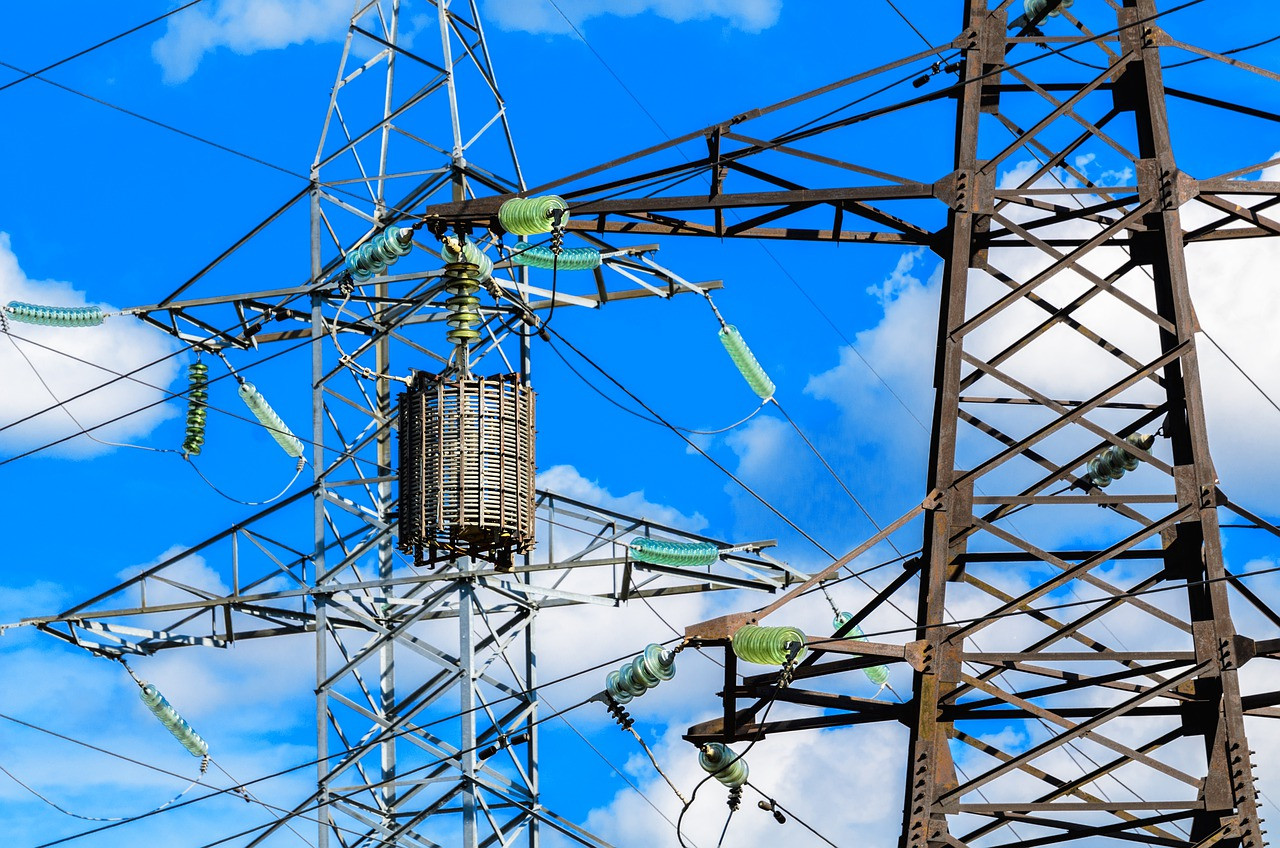
Energy policy has divided Norwegian parties for years.Photo: Pixabay
Greater Use of Existing Infrastructure in Norway
The new proposals call for greater use of the existing transmission network, referred to by politicians as "energy highways." Parliament wants the government to analyze the possibility of operating the system with smaller safety margins. Currently, the grid must be prepared for a major failure without interruptions in energy supply, which means some capacity remains unused. The Conservative Party believes Statnett is being too cautious.
According to Stokkebø, modern technologies can increase available transmission capacity, including sensors and artificial intelligence that monitor the grid in real time. Parliament also wants to accelerate the digitalization of energy infrastructure. Another solution is the so-called "tilknytning på vilkår"—companies could gain access to electricity on the condition that they agree to temporary disconnection from the grid in crisis situations.
The Red Party opposed some of the proposals. Sofie Marhaug criticized, among other things, the idea of paid power reservations and again opposed connecting the LNG facility at Melkøya to the power grid. In her view, the new rules may favor data centers, as they are most likely to accept the risk of temporary shutdowns by using generators. The Red Party also believes such solutions raise climate concerns.
According to Stokkebø, modern technologies can increase available transmission capacity, including sensors and artificial intelligence that monitor the grid in real time. Parliament also wants to accelerate the digitalization of energy infrastructure. Another solution is the so-called "tilknytning på vilkår"—companies could gain access to electricity on the condition that they agree to temporary disconnection from the grid in crisis situations.
The Red Party opposed some of the proposals. Sofie Marhaug criticized, among other things, the idea of paid power reservations and again opposed connecting the LNG facility at Melkøya to the power grid. In her view, the new rules may favor data centers, as they are most likely to accept the risk of temporary shutdowns by using generators. The Red Party also believes such solutions raise climate concerns.
Supporters of the changes argue that the new solutions could reduce pressure on grid fees for consumers. They are also expected to allow more investments to be connected before infrastructure expansion is completed. Parliament wants to speed up the implementation of new rules for large energy consumers waiting for grid access. In the background, there is an ongoing debate on how to balance energy supply security with the growing demand from industry and new technology investments.
How do you rate this article?