The oil market reacts to geopolitical tensions. The result may be a rise in global inflation
Oil flow through the Strait of Hormuz has almost completely stopped following the outbreak of war in the Middle East. According to a report by the International Energy Agency, this could be the largest disruption to global oil supplies in history. Analysts warn of a sharp rise in fuel prices and a possible inflation shock worldwide.

Energy crises often translate into inflation.
Fot. Adobe Stock, licencja standardowa (zdjęcie poglądowe)
Before the conflict began, about 20 million barrels of oil were transported daily through the Strait of Hormuz. Now, the flow has almost ceased. The situation immediately put upward pressure on oil prices on global markets. Experts point out that prolonged disruptions could affect the prices of fuel, transportation, and goods production.
A key oil transport route blocked
The Strait of Hormuz is one of the world's most important energy corridors. Before the conflict, about 20 million barrels of oil passed through it every day. After the outbreak of hostilities, tanker traffic has almost stopped. The region has seen disruptions to shipping and threats to vessels. As a result, the global oil market has come under strong pressure.
The International Energy Agency estimates that the current disruptions may be the largest interruption of oil supplies in history. Production in the Gulf countries has dropped by at least 10 million barrels per day since the start of the conflict. According to the agency, global oil supply decreased by about 8 million barrels per day in March. This is a significant portion of the global oil market. The scale of these changes is raising concerns among analysts and governments.
The International Energy Agency estimates that the current disruptions may be the largest interruption of oil supplies in history. Production in the Gulf countries has dropped by at least 10 million barrels per day since the start of the conflict. According to the agency, global oil supply decreased by about 8 million barrels per day in March. This is a significant portion of the global oil market. The scale of these changes is raising concerns among analysts and governments.
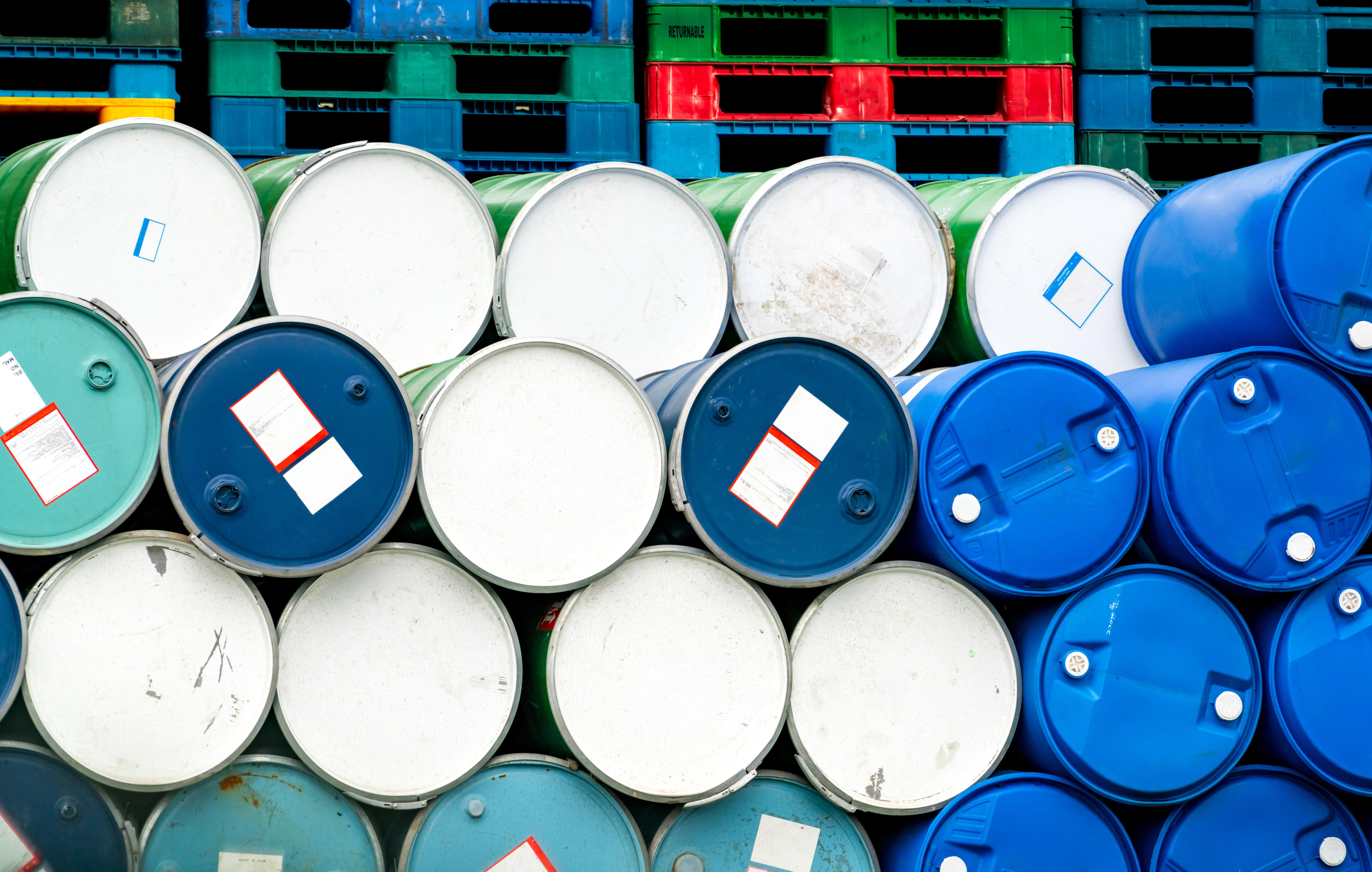
Reserves are meant to stabilize the market during crises.Photo: stock.adobe.com/standard license
Inflation risk and limited reserves
Commodity analyst Ole Hvalbye from SEB bank warns of the consequences of rising oil prices. More expensive raw materials mean higher prices for gasoline and diesel. Production and transportation costs are also rising. This could quickly translate into higher inflation. Consumers will feel the effects the most.
Countries belonging to the International Energy Agency have decided to release 400 million barrels of oil from strategic reserves. This is about 30 percent of the world's strategic oil reserves. According to analysts, this may temporarily stabilize the market. However, logistics remain a problem. Currently, only about 2 million barrels per day can be released to the market.
Countries belonging to the International Energy Agency have decided to release 400 million barrels of oil from strategic reserves. This is about 30 percent of the world's strategic oil reserves. According to analysts, this may temporarily stabilize the market. However, logistics remain a problem. Currently, only about 2 million barrels per day can be released to the market.
If the conflict in the Middle East continues, pressure on the global energy market may increase. Analysts point out that the world can cope with disruptions lasting a few days or weeks. However, a longer blockade of one of the most important oil transport routes could change the structure of global raw material supplies. In such a situation, countries and energy companies will be forced to seek alternative sources of oil and new routes.
How do you rate this article?